
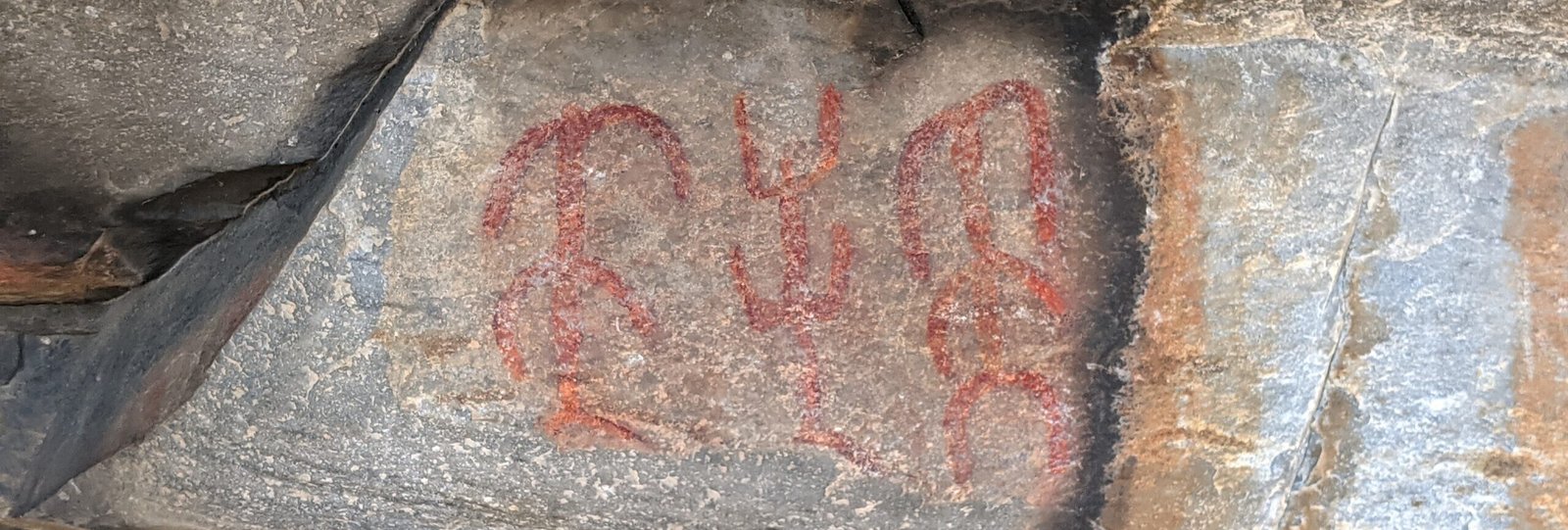
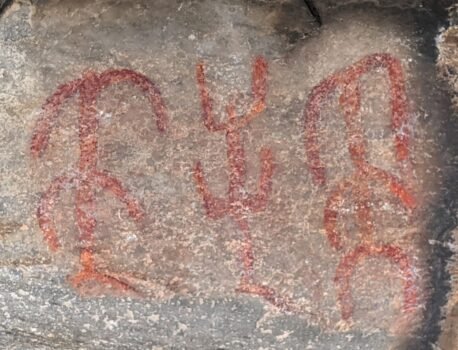
There is a huge amount of prehistoric art in Portugal, including carved or engraved rocks (Portuguese: gravuras rupestres) as well as paintings (pinturas rupestres). Sometimes these are in caves or inside megalithic structures, other times they are in the open air. In addition, there are smaller portable engraved or painted stones which are displayed in museums around the country. The most famous prehistoric art site is the UNESCO World Heritage site of the Côa Valley, with open-air rock engravings dating back over 20 thousand years ago. The cave of Escoural has painted artwork that goes back to the Paleolithic period, some of the oldest in Europe. The famous painted dolmen of Antelas is the most impressive example of painting within a megalithic tomb.
Use the map below to browse or search among the various prehistoric art sites. Clicking on a cluster (a coloured circle with a number in it) will zoom in and disperse the cluster. Highlighted map markers indicate sites that are described on this website. More posts are added as sites get visited. (If you know of a prehistoric art site that should be added to the map, please let me know!)
Below the map is a list of all the art sites on our website …so far!
-
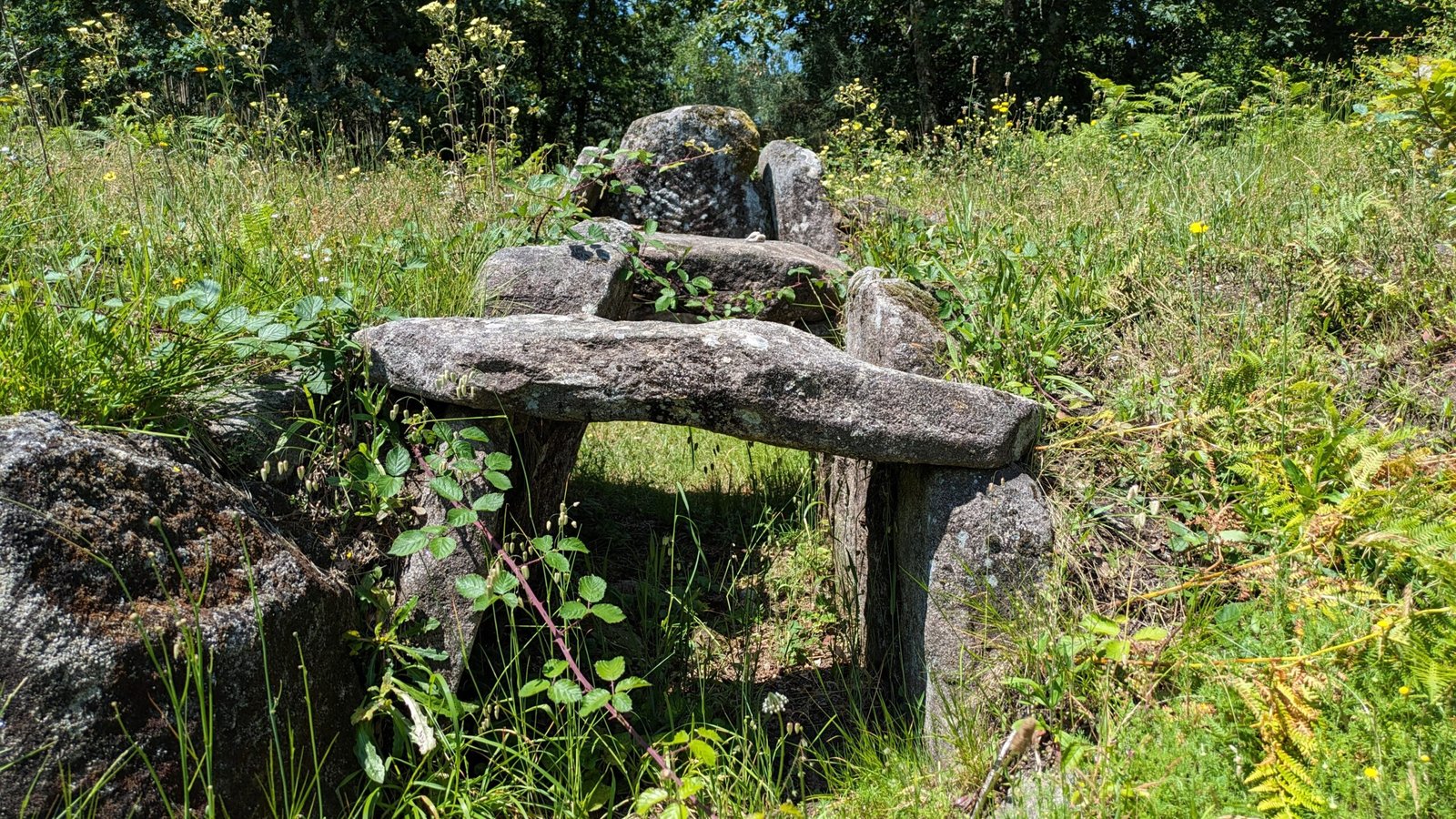
Necrópole Megalítica de Chão Redondo
ALSO IDENTIFIED AS: Dólmen 2 (or Anta 2) de Chão Redondo, or Monumentos Megalíticos do Chão de Redondo From a distance, it doesn’t seem very extraordinary. There’s a remnant of the large mound of stone and earth which originally covered the prehistoric tomb. The tomb itself looks fairly typical of an average-sized neo-chalcolithic chamber tomb.…
-
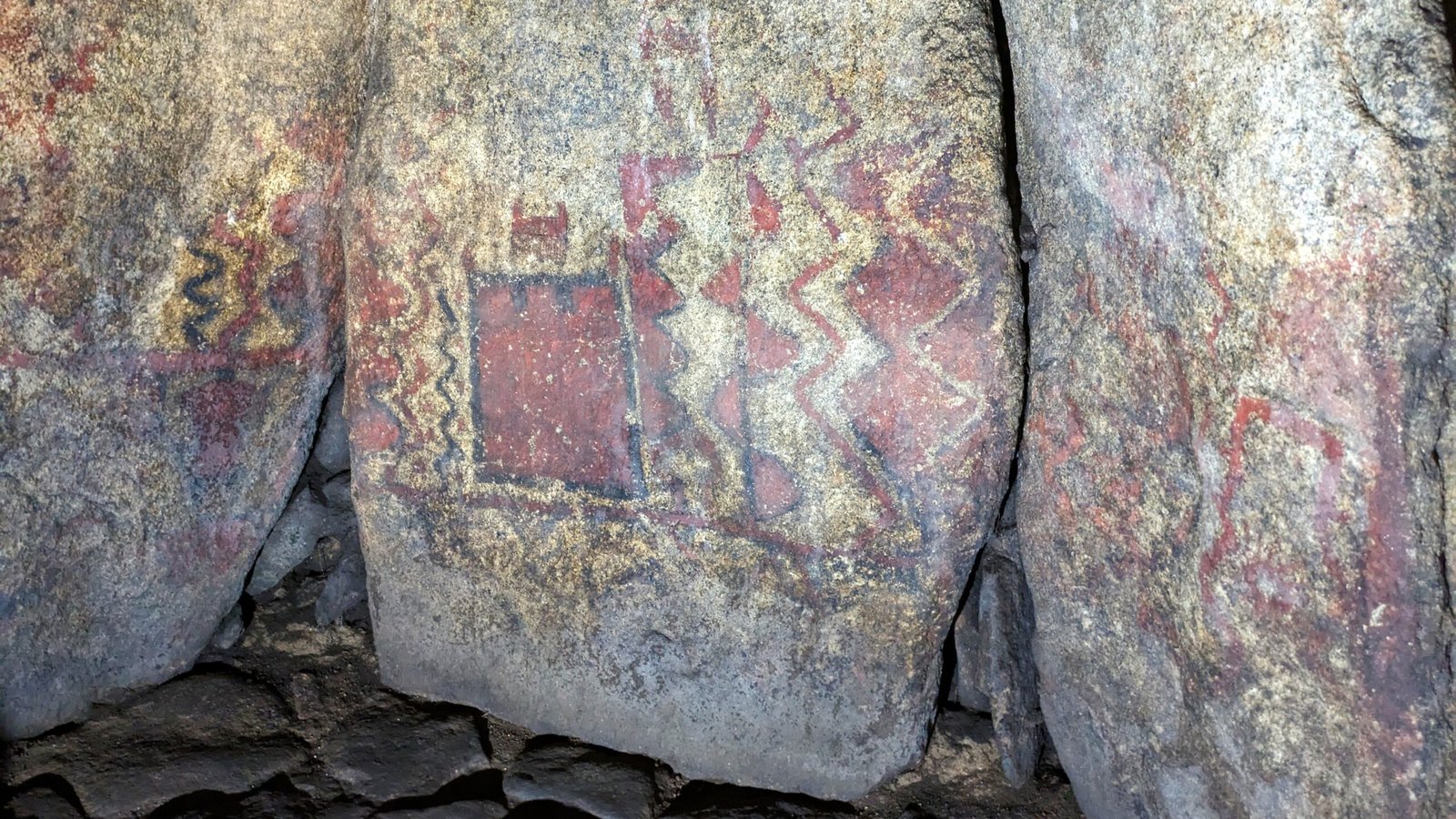
Anta Pintada de Antelas
ALSO KNOWN AS: Dólmen de Antelas, Dólmen pintada de Antelas; or in English: the painted dolmen of Antelas On a small dirt road, in the deep interior of central Portugal, rises a small hill. Go around to the back and you find that this is no normal hill: it is an artificial mound. A tumulus,…
-

Lajedo
A group of stones in the forest show cup (or “cupule”) marks (the Portuguese term is covinhas, which translates as “dimples”). These are a distinctive prehistoric decoration technique. The carvings are seen on several stones: some are connected by grooves, and others form distinctive alignments or sets. The carvings have been investigated by archaeologists, but…
-
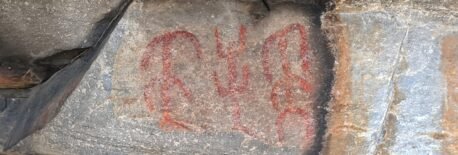
Rock Paintings of Vale de Junco (or Abrigo dos Gaivões)
Protected by the overhanging rock, the red stains stand out. Even after five thousand years, the shapes and designs can still be made out. What their significance is, we can only guess. Some depict people, others animals, while others are abstract symbols. One panel shows groups of lines: were these ancient people keeping count of…