
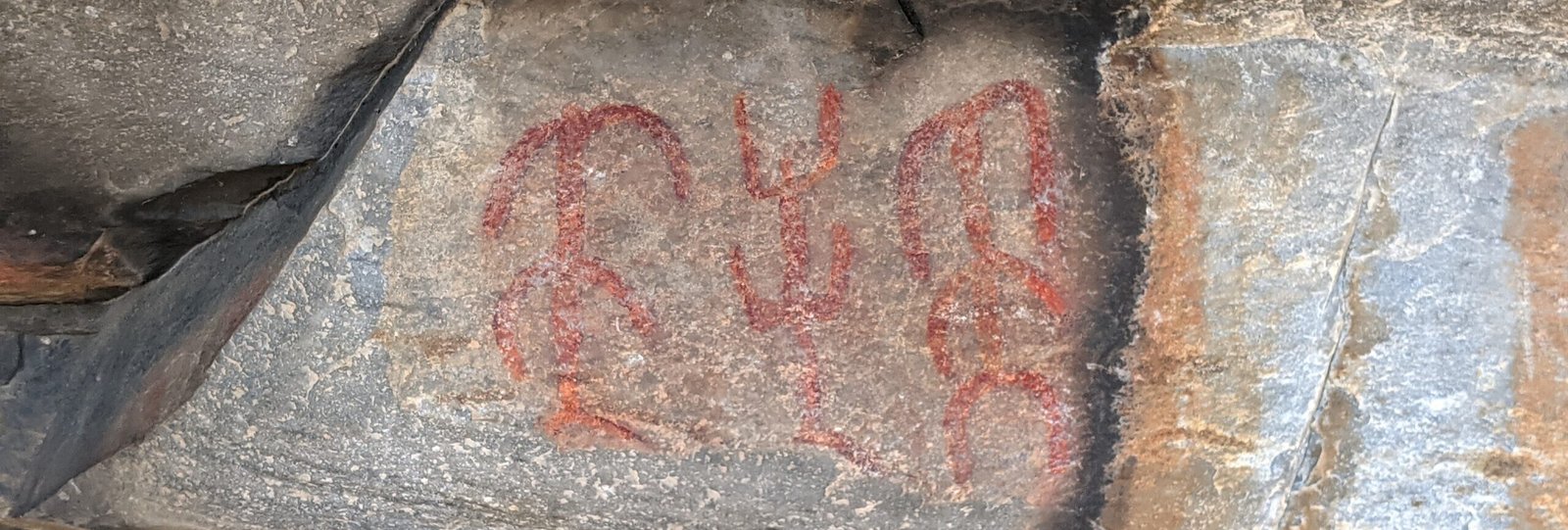
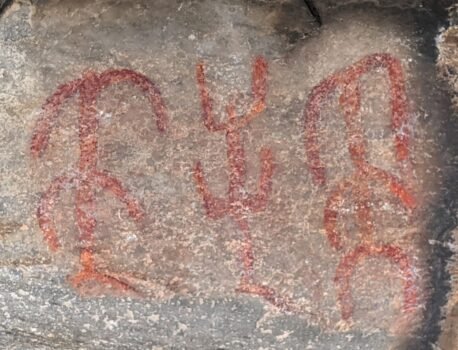
There is a huge amount of prehistoric art in Portugal, including carved or engraved rocks (Portuguese: gravuras rupestres) as well as paintings (pinturas rupestres). Sometimes these are in caves or inside megalithic structures, other times they are in the open air. In addition, there are smaller portable engraved or painted stones which are displayed in museums around the country. The most famous prehistoric art site is the UNESCO World Heritage site of the Côa Valley, with open-air rock engravings dating back over 20 thousand years ago. The cave of Escoural has painted artwork that goes back to the Paleolithic period, some of the oldest in Europe. The famous painted dolmen of Antelas is the most impressive example of painting within a megalithic tomb.
Use the map below to browse or search among the various prehistoric art sites. Clicking on a cluster (a coloured circle with a number in it) will zoom in and disperse the cluster. Highlighted map markers indicate sites that are described on this website. More posts are added as sites get visited. (If you know of a prehistoric art site that should be added to the map, please let me know!)
Below the map is a list of all the art sites on our website …so far!
-
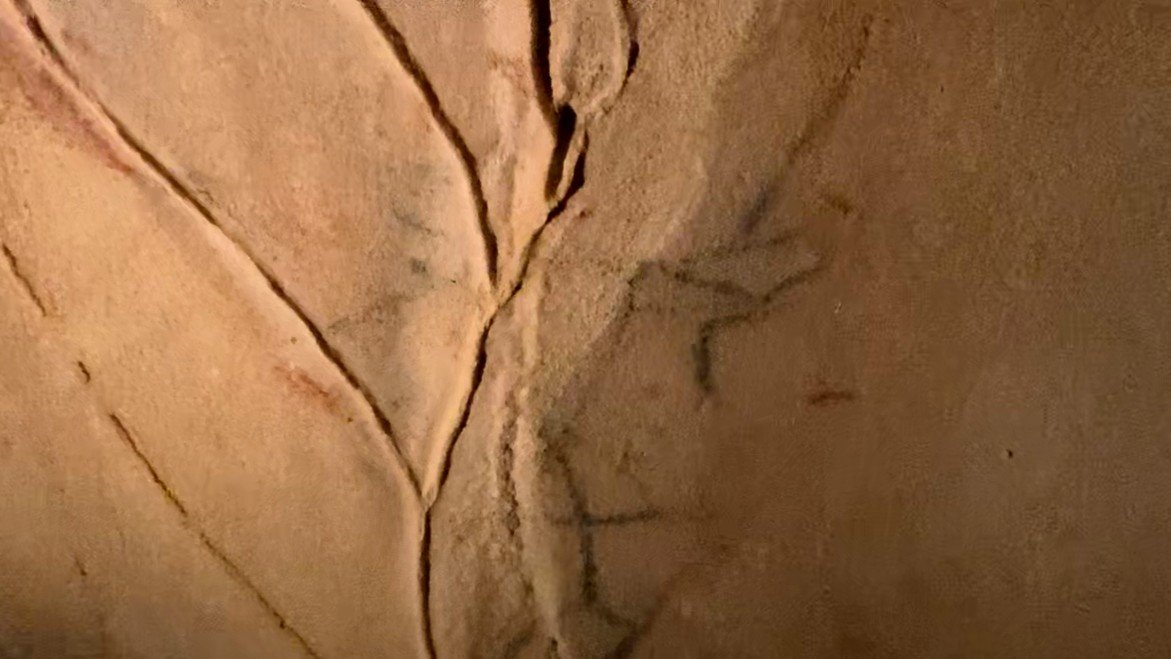
Gruta do Escoural
Walk down the stairs, ducking your head beneath the stone ceiling. Wooden steps lead you down into the Earth. Electric lights have been installed to guide your way, but the silence and the still air remind you that you are in an ancient place. Duck down and follow the laser pointer of your guide. With…
-
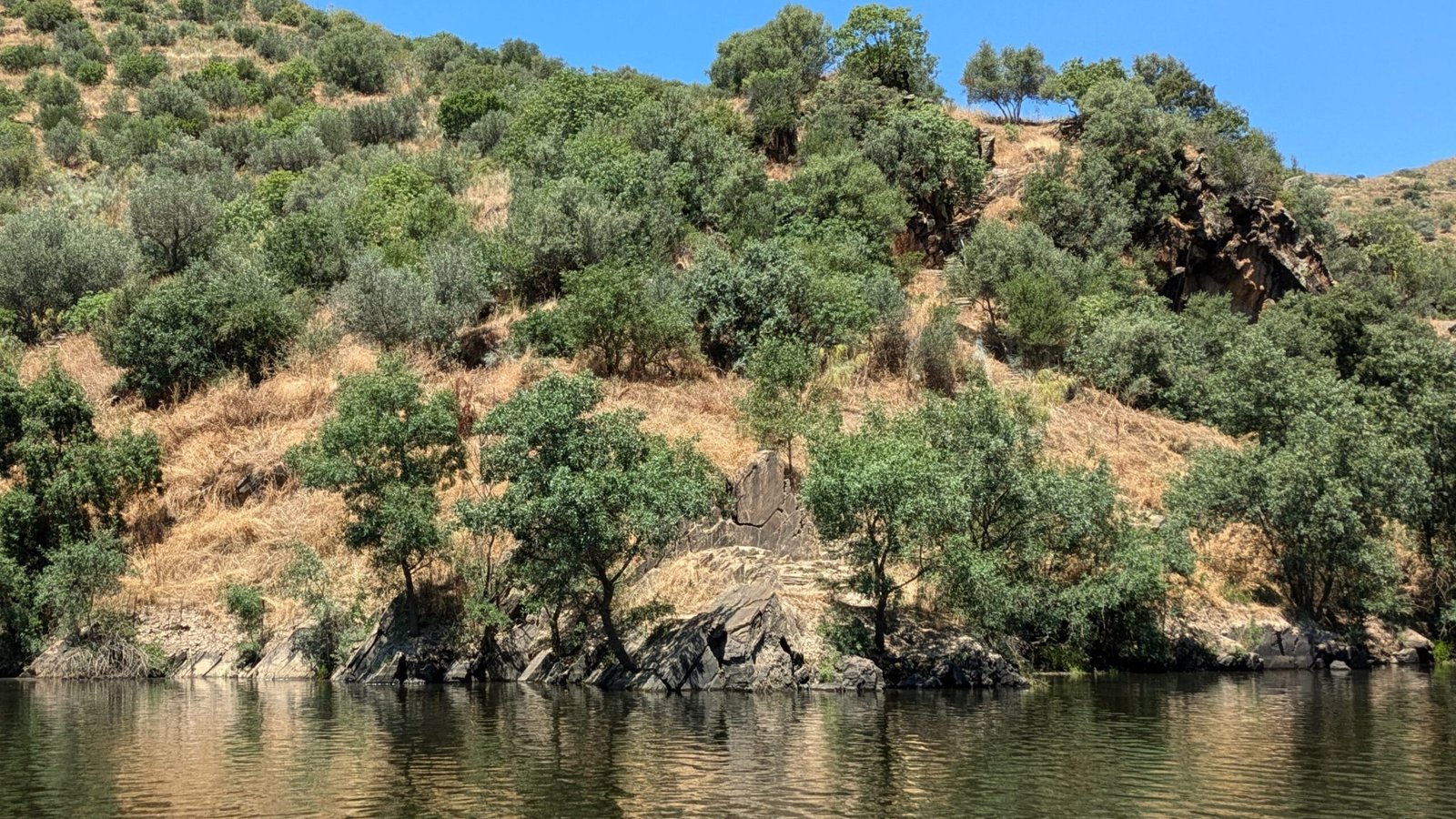
Prehistoric Rock Art Sites in the Côa Valley
As the boats cruise up and down the Douro River, many passengers on board hardly notice the tributary river. As they sip their wines and note the vineyard estates along the banks, they might take a moment to pause and look past the disused train bridge and note the low, rectangular building on the hilltop…
-
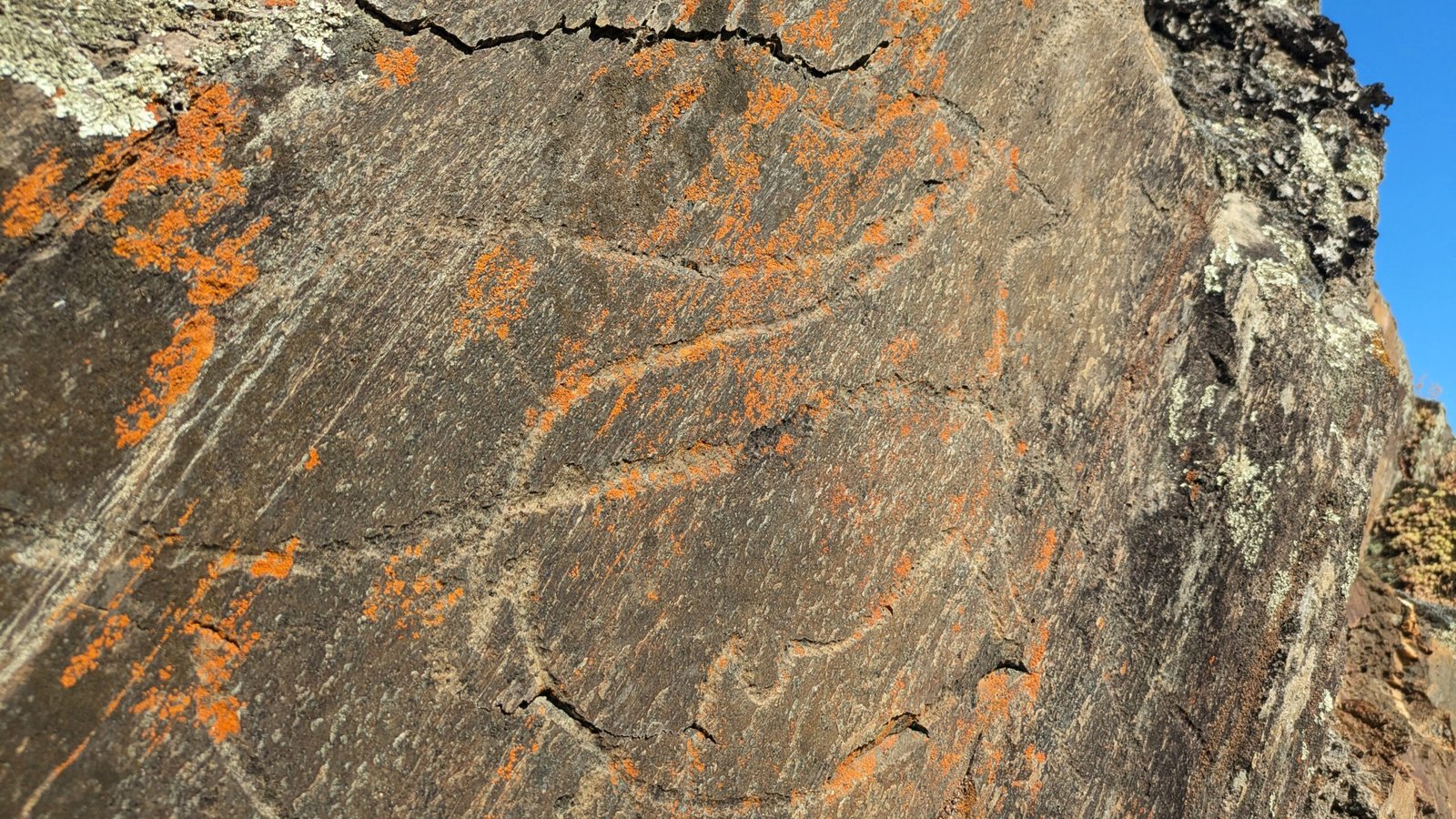
Penascosa Rock Art Site
The hot sun beats down on your head. You can hear the rush of water as the Côa River cascades over rocks: the invitation to enjoy the cool of the green waterside is almost irresistible. But the rocks beckon. On the edge of the beach area, and running up the hillside, an abundance of engraved…
-
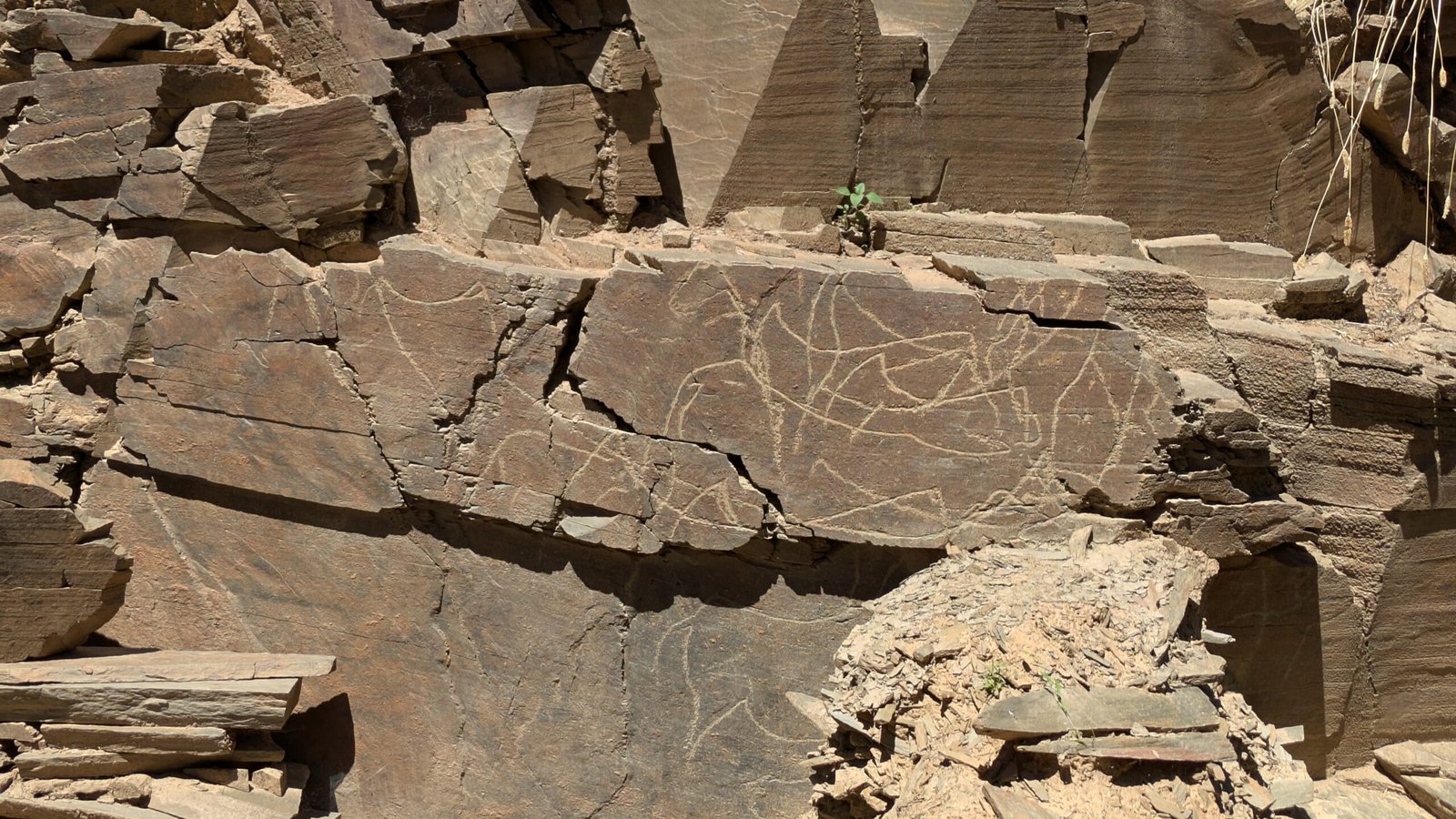
Fariseu Rock Art Site
The river flows quietly but steadily past the riverbank. The water laps softly against the jetty. Water flows past the rocky outcrops, relentlessly. Turning from their ancient engravings, you watch it head towards the ocean. Beneath the surface, the water flows over other outcrops of rock. Hidden below, more engravings remain unseen and unseeable. What…
-
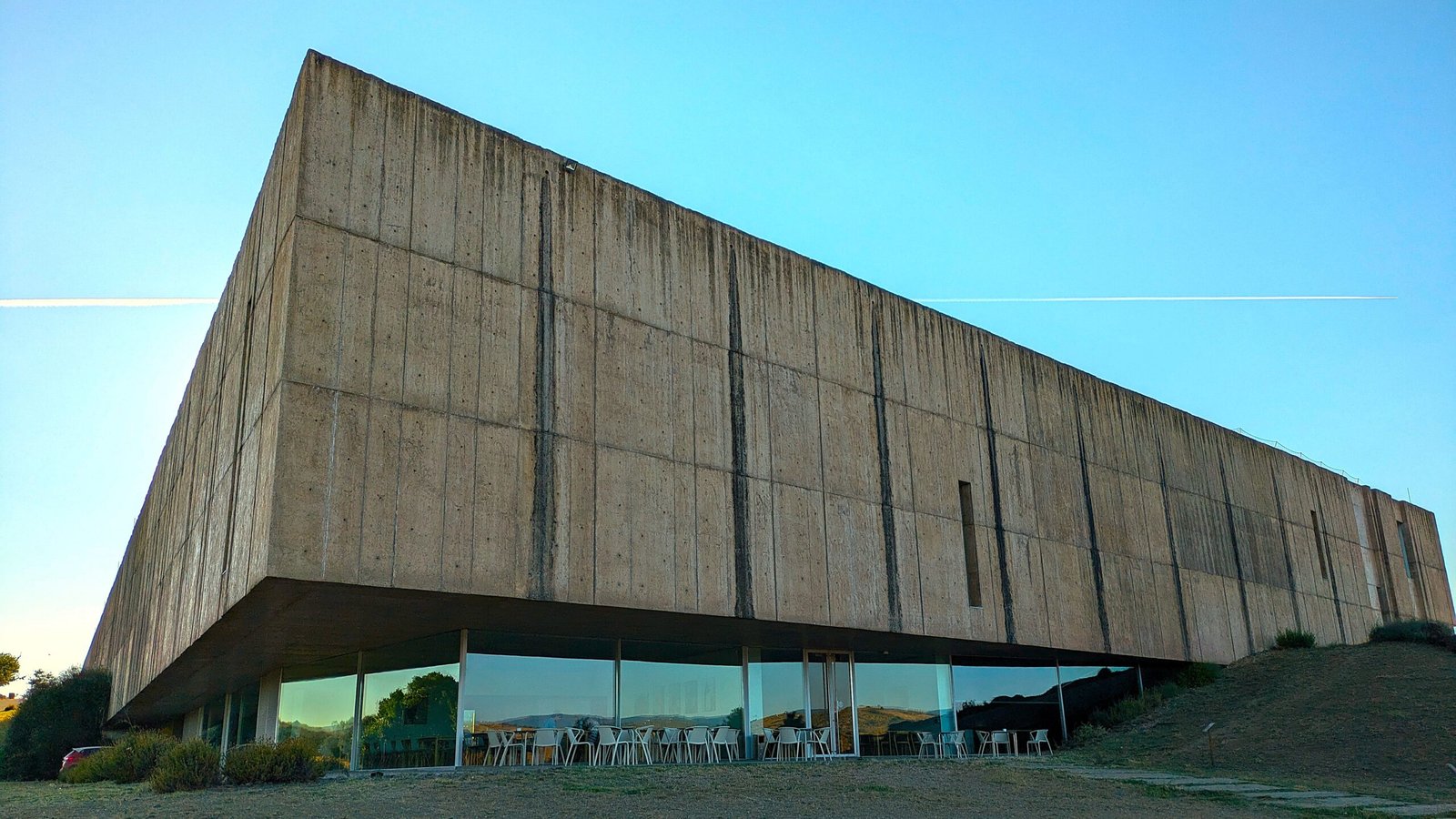
Côa Museum
As you walk down the cement canyon, the walls close in on you and the blue sky dwindles. Darkness encloses you and it seems like you are traveling into the bowels of the earth and back in time. Within, you are surrounded by art and artefacts of life as it was tens of thousands of…