Mamoa da Eireira
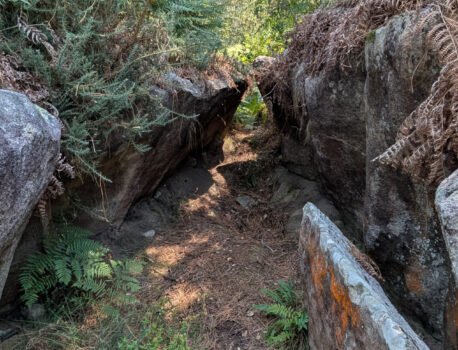
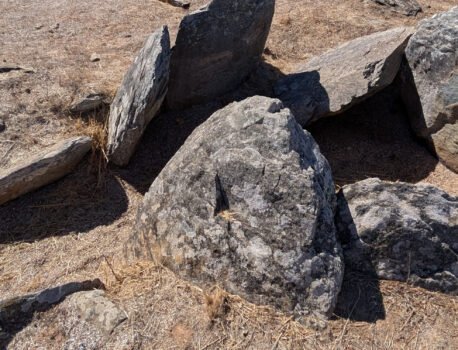
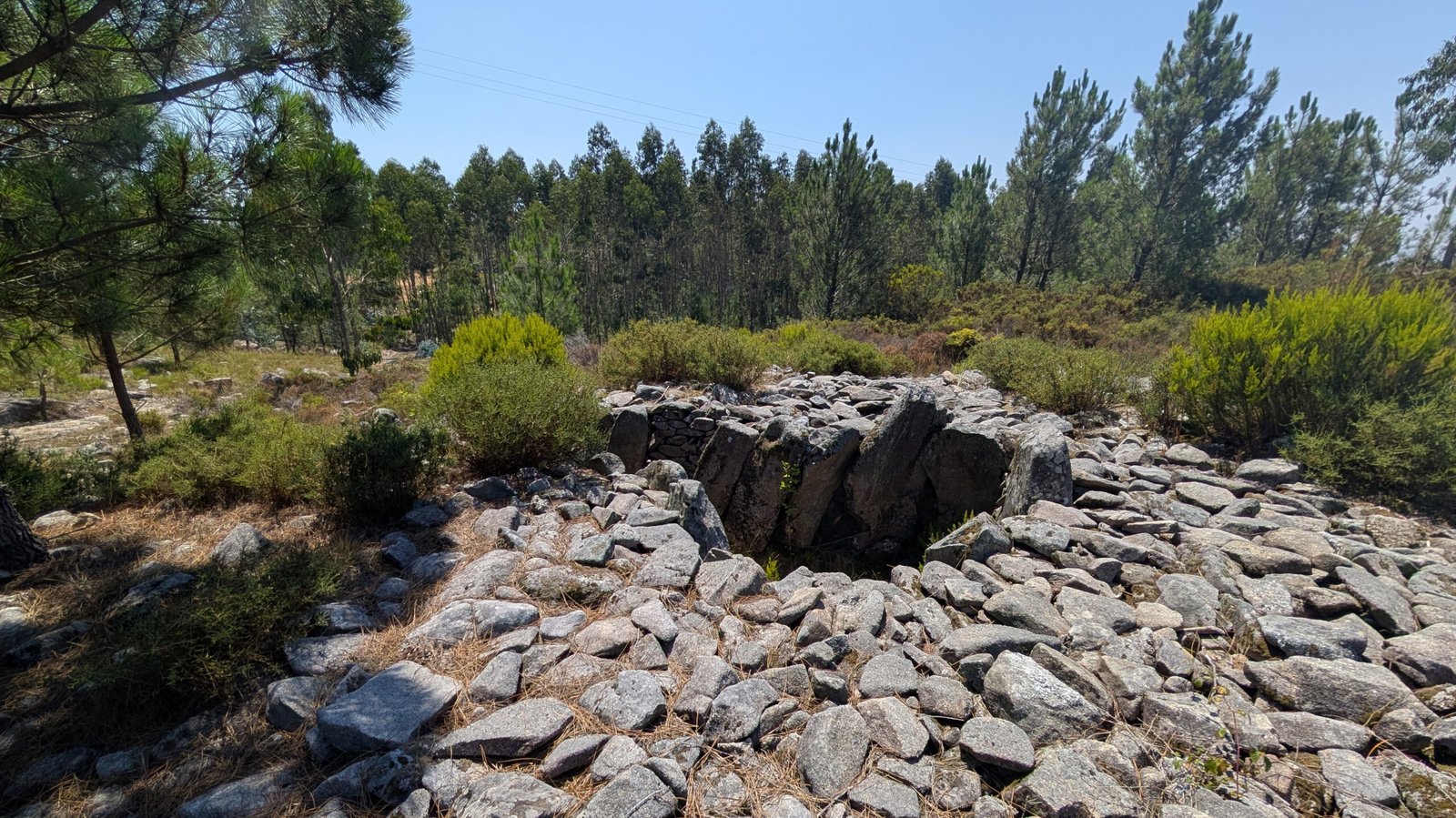
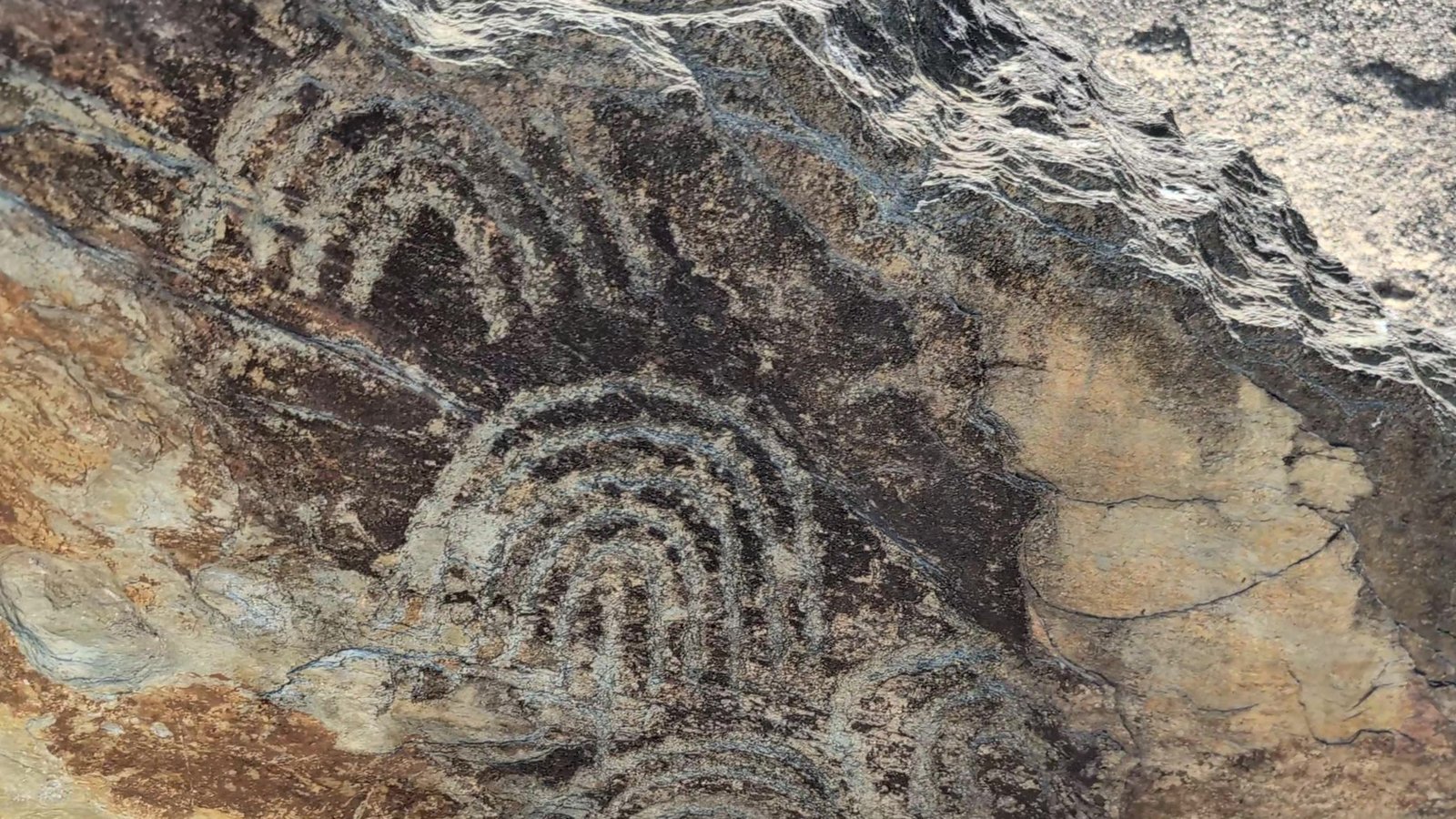
An exceptionally unusual dolmen: forming a V-shape with undifferentiated corridor and chamber. Many of its upright stones have engravings and/or paintings.

An exceptionally unusual dolmen: forming a V-shape with undifferentiated corridor and chamber. Many of its upright stones have engravings and/or paintings.
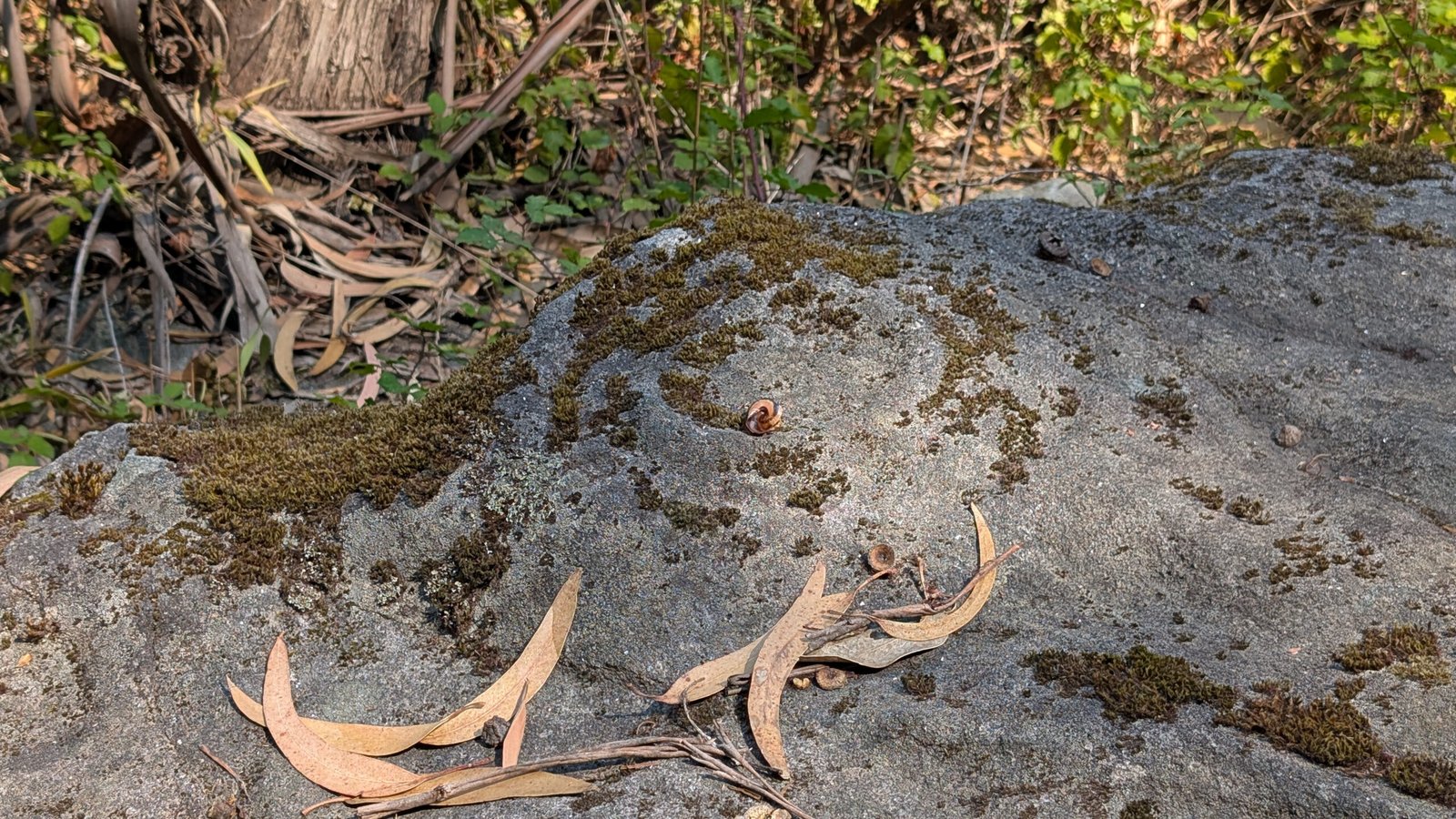
A Neolithic/Chalcolithic dolmen on a hill in the Grândola municipality, Setúbel district. One of the upright slabs in the chamber is covered in cup marks.
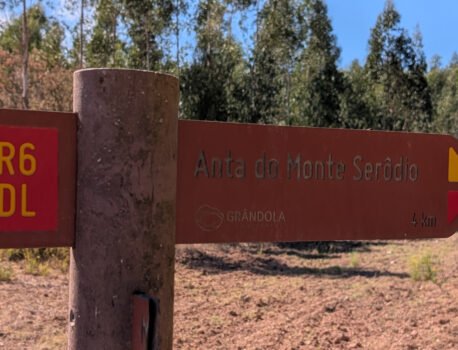
There are several routes in Grândola that include megalithic sites: two short routes and the Grande Rota do Balho. Hiking Routes The tourism website of Grândola describes each route and has PDF brochures/maps for each (all in Portuguese). Trail Signs
A circular route, around 9 km, which includes three antas or dolmens. It’s classified as low difficulty, taking around 3 hours. Short Routes / Pequena Rota Trail Signs
Walking along the forest trails, the peace and quiet is almost palpable. There are stone outcrops all around, as well as large stones in the trail itself. So it’s not surprising to see a large hill of stones beside the trail …until you look closer and see that these stones …
Also known as: Gravuras Rupestres da Matança, Gravuras Rupestres de Suvidade English name: Rock Engravings of Afife Along the wide trail, pilgrims walk determinedly along the Caminho de Santiago. Few pay attention to the stones beside the trail. These stones have lain here for millions of years, and for many …
Walk along the road through the industrial area of Taco, in the town of Albergaria-a-Velha, and if you keep your eyes peeled you may see something intriguing. Beside a bakery factory, two empty spaces contain low mounds each with a notice board beside them. These are funerary structures that people …
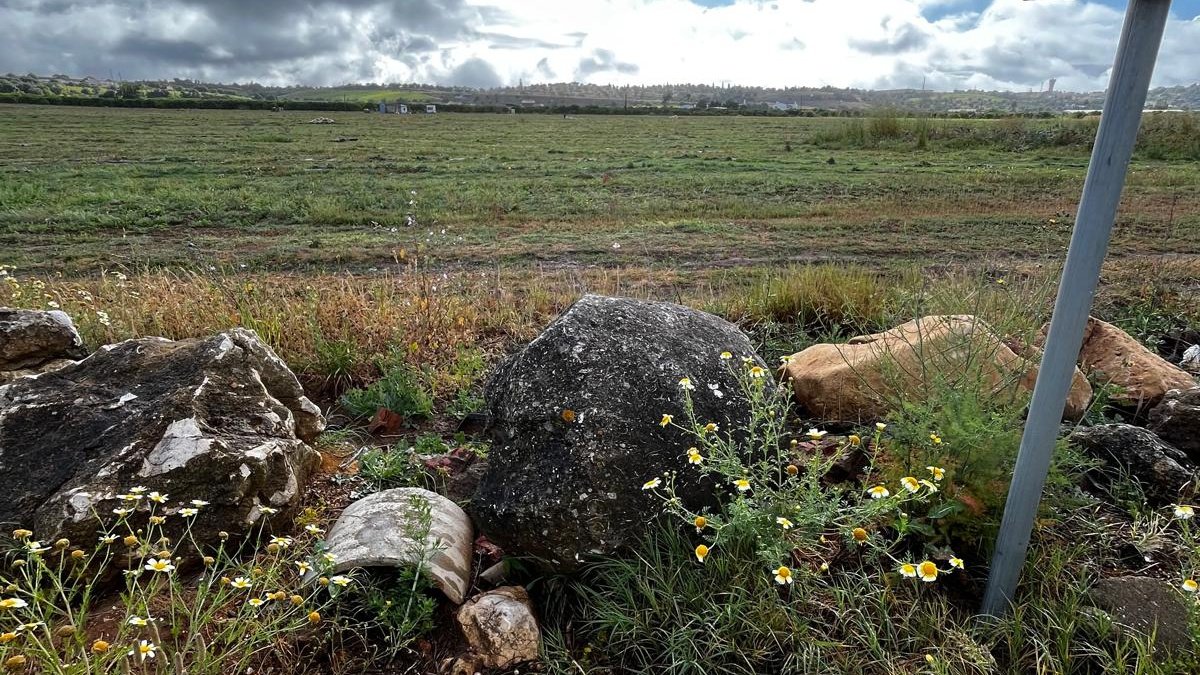
A fallen and broken stone, originally part of a menhir or standing stone. The stone is broken, and is lying beside the road as part of a stone border. It very likely was originally situated somewhere else, possibly in a field. The museum in Portimão has a display that says …
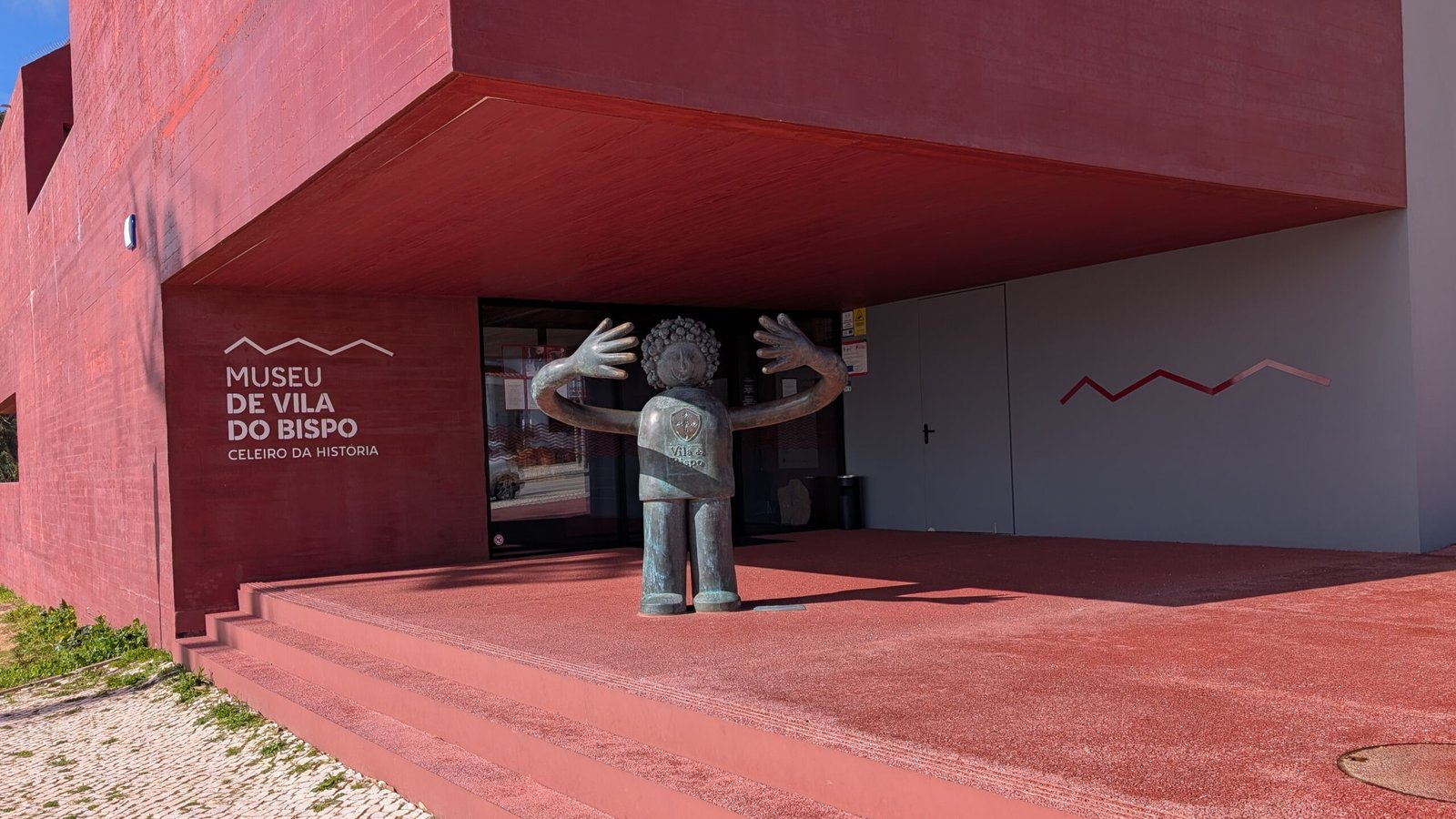
In Portuguese: Museu de Vila do Bispo, also known as: Celeiro da História (“The Granary of History”) Come into this restored granary, and walk through the history of the region. From dinosaurs to the modern day, a carefully and artistically designed space guides you through the huge spaces of the …
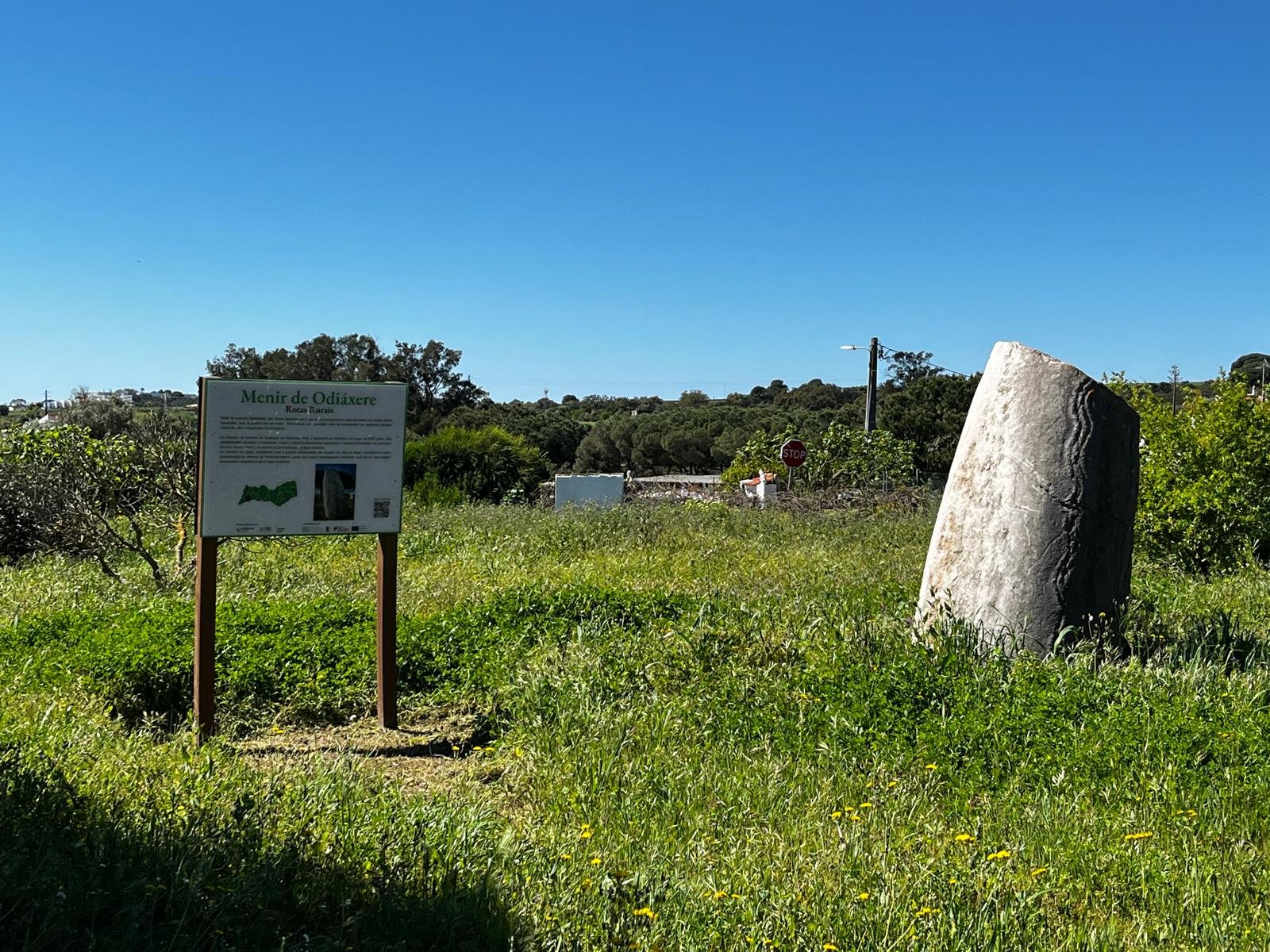
Standing alone in a private garden, this stone proudly displays ancient carvings. (photographs graciously provided by one of our readers) This is a cylindrical menir, with the top broken. It is decorated with vertical bands of carved waving lines. (Serpentiform?) The menir was re-erected on the site where it was …