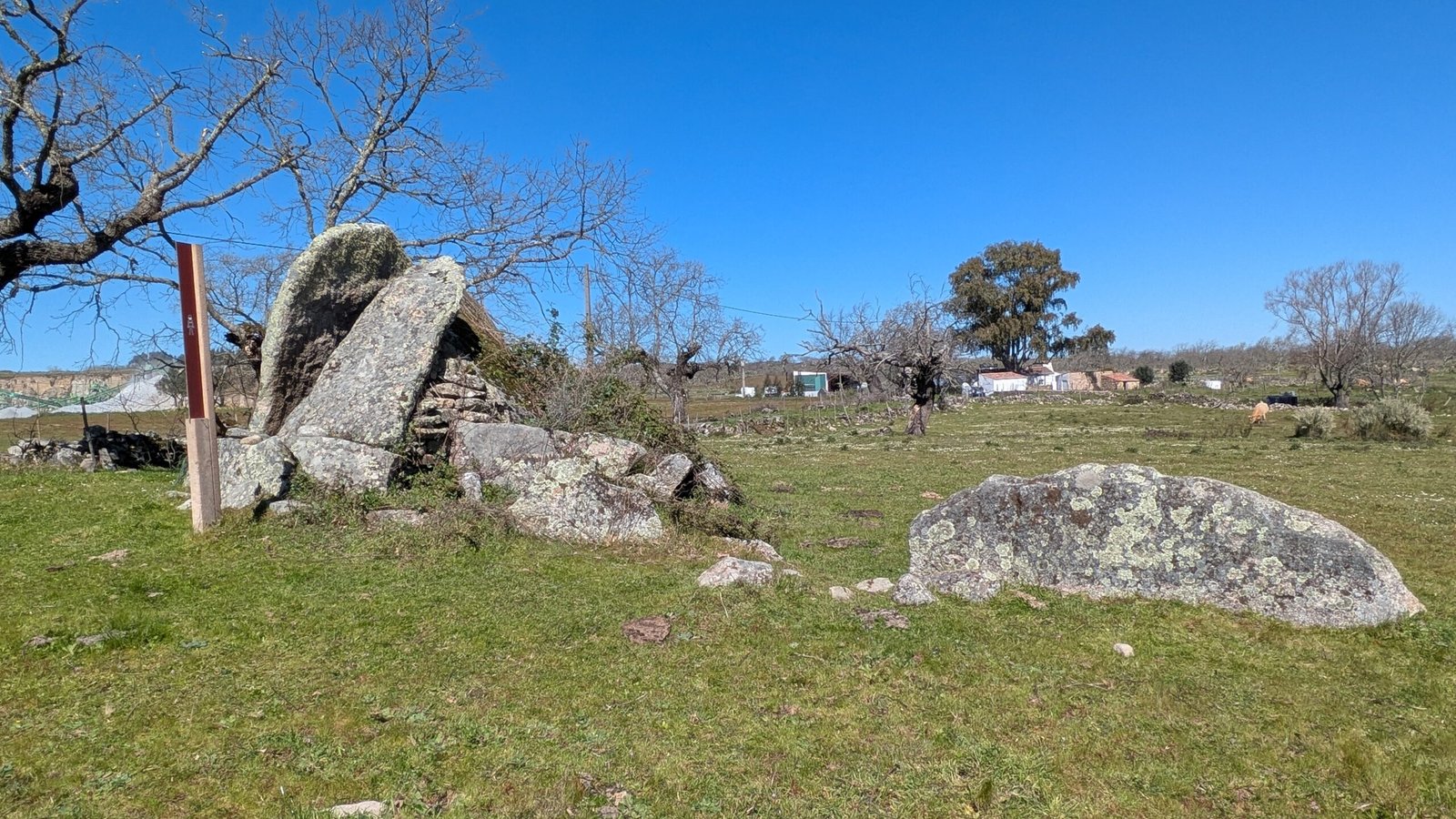
Hipogeu de Monte Canelas
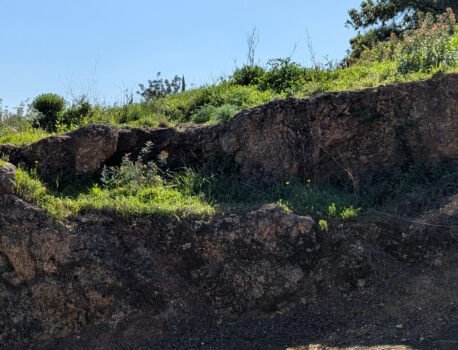
An artificial cave was dug into the rock about 3,500 BC and was used for burials during two periods. You can still see part of the carved circular chambers.

An artificial cave was dug into the rock about 3,500 BC and was used for burials during two periods. You can still see part of the carved circular chambers.
An enormous dolmen with a chamber at least 4m across, in Grândola (Setúbal district).
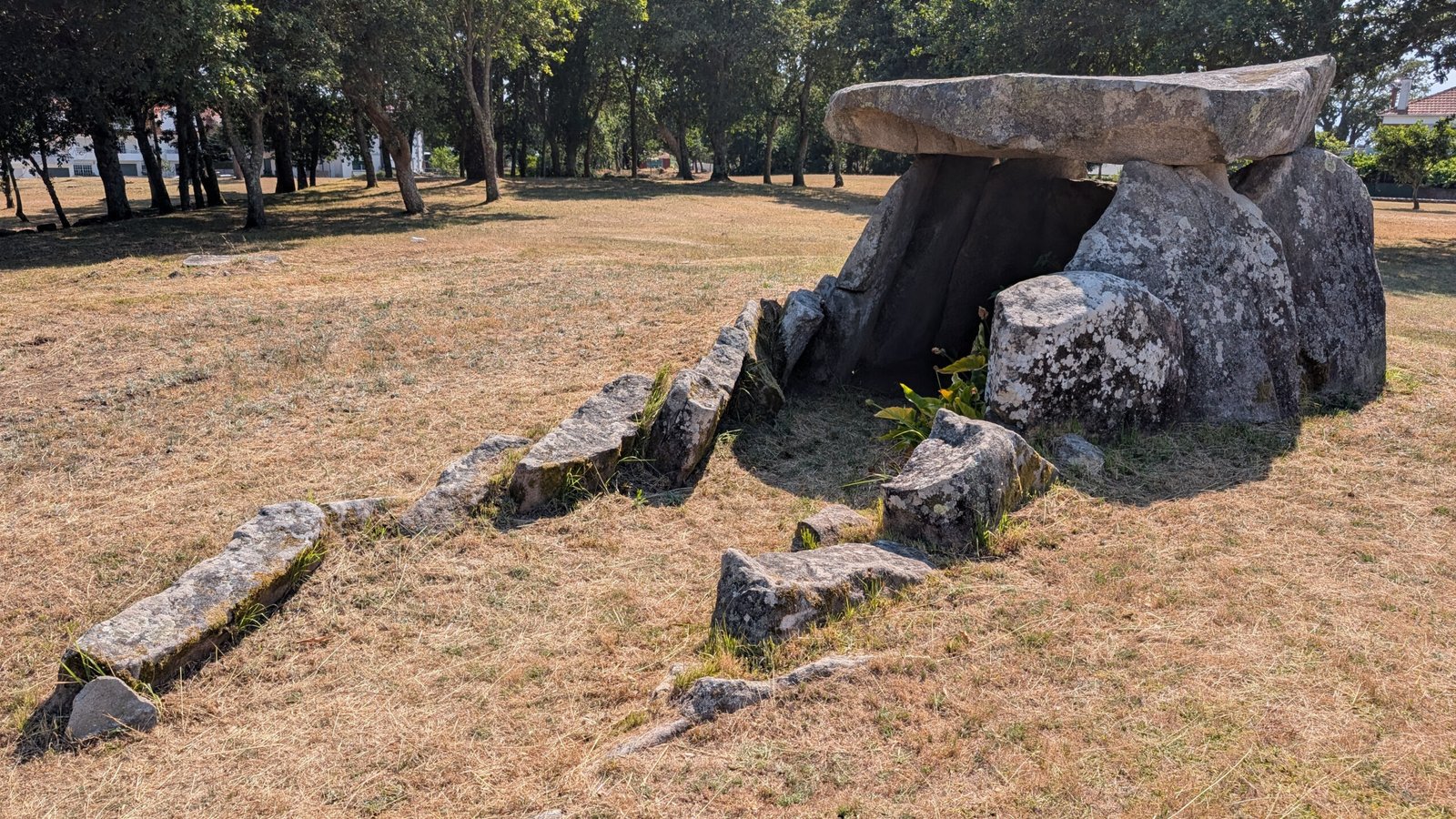
Also known as: Dólmen da Barrosa, Lapa dos Mouros Surrounded by houses and the soft buzz of traffic, the city park is relatively quiet with some families taking advantage of the picnic tables shaded by large trees to enjoy a cool refreshment on a hot summer day. In the middle …
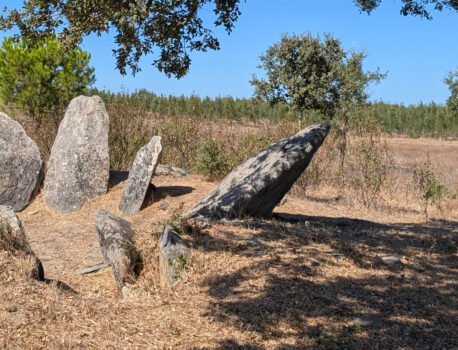
Also known as: Núcleo Megalítico da Ordem, Antas do Monte da Ordem, Antas da Herdade da Ordem Walking through the pasture, keeping an eye on the herd of cows, you can feel the Alentejo sun beat down on your head. Duck underneath the irrigation mechanism. Follow the dirt track that …
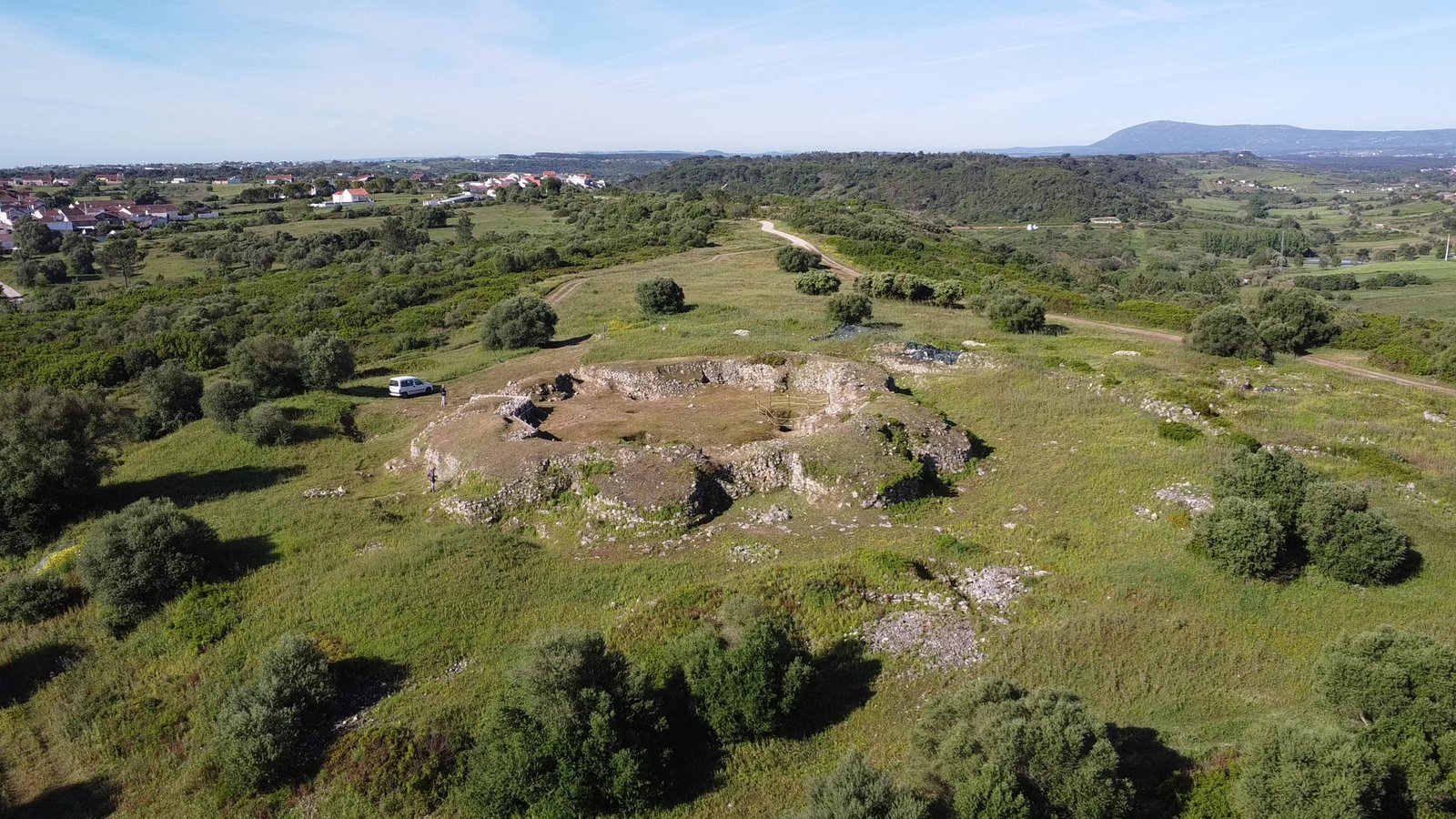
Also known as: Povoado Calcolítico (“Chalcolithic settlement”) or Povoado fortificado (“fortified settlement”) of Vila Nova de São Pedro Stand on the hilltop and look around the surrounding area. Across the river valley, you can see surrounding hilltops and, off in the distance, mountain ranges. It’s a secure location, and it …
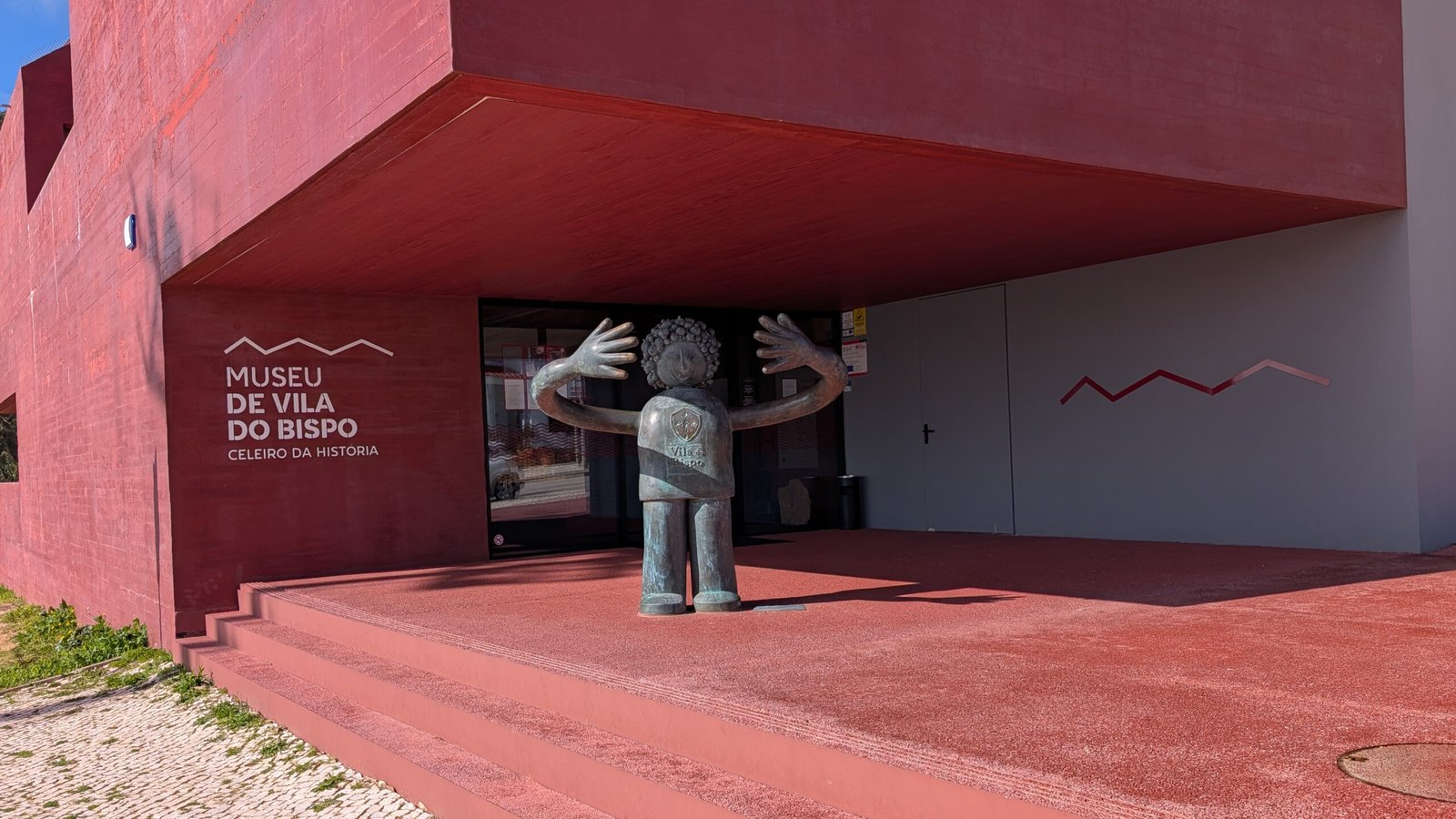
In Portuguese: Museu de Vila do Bispo, also known as: Celeiro da História (“The Granary of History”) Come into this restored granary, and walk through the history of the region. From dinosaurs to the modern day, a carefully and artistically designed space guides you through the huge spaces of the …
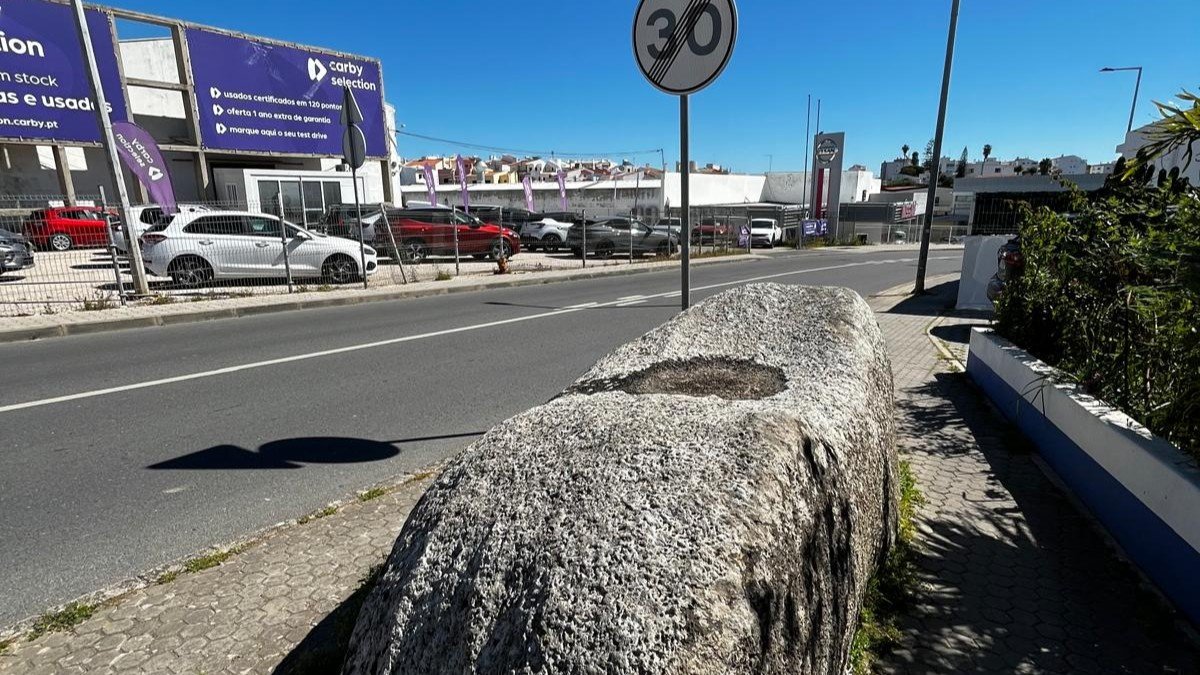
This rough stone is positioned in the middle of a sidewalk in an urban area of the town of Portimão. Having been moved from the distant mountains in prehistoric times, it was again moved in modern times because of construction. It now serves as an enigmatic presence in the urban …
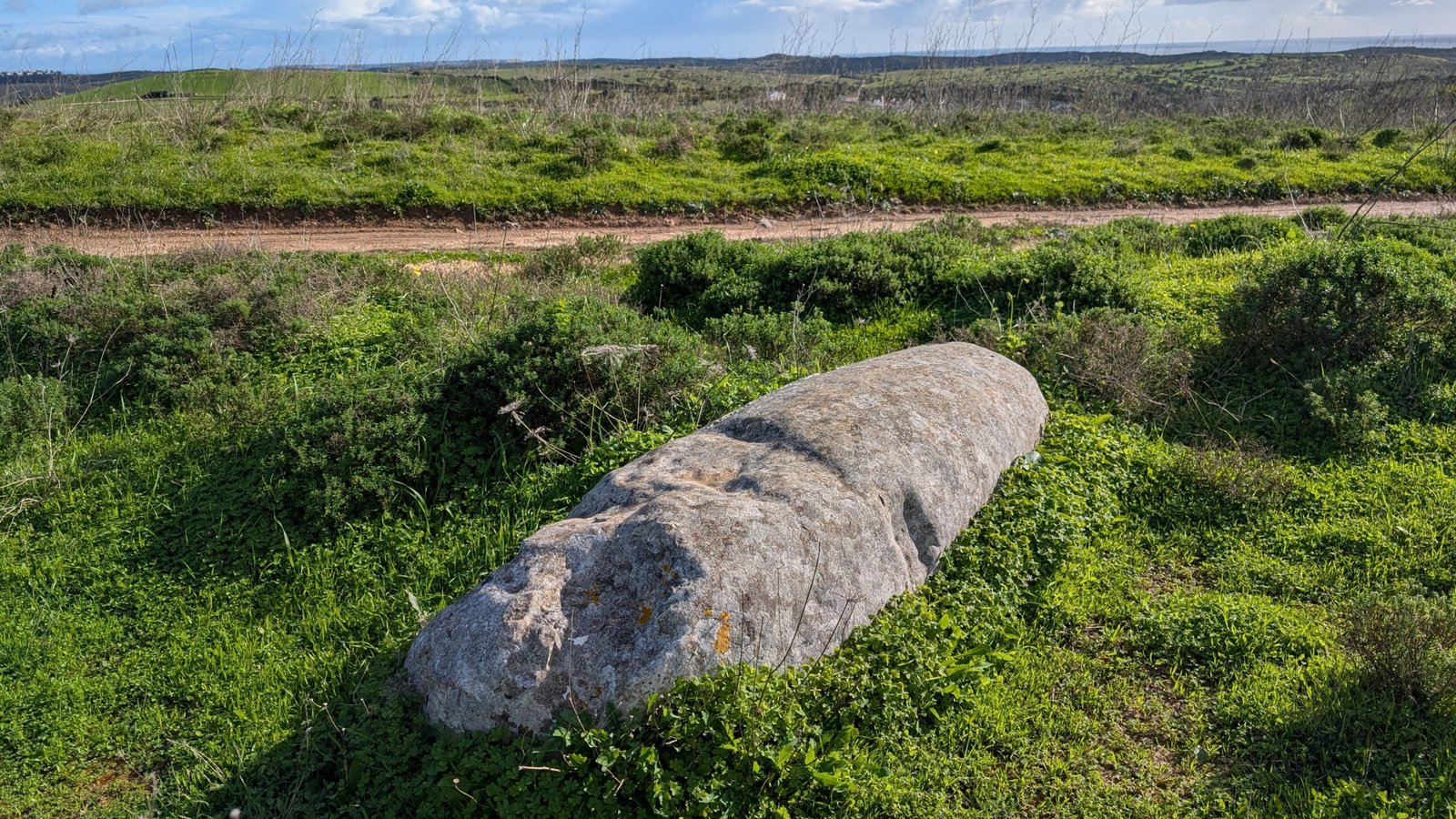
Broken stones lie scattered in the fields above Sagres and the Cabo de São Vicente. If you look closely at them, you’ll see that they are shaped into smooth obelisks. Were these territorial markers in ancient times? Did prehistoric people use them for ritual purposes? We don’t really know. Today, …
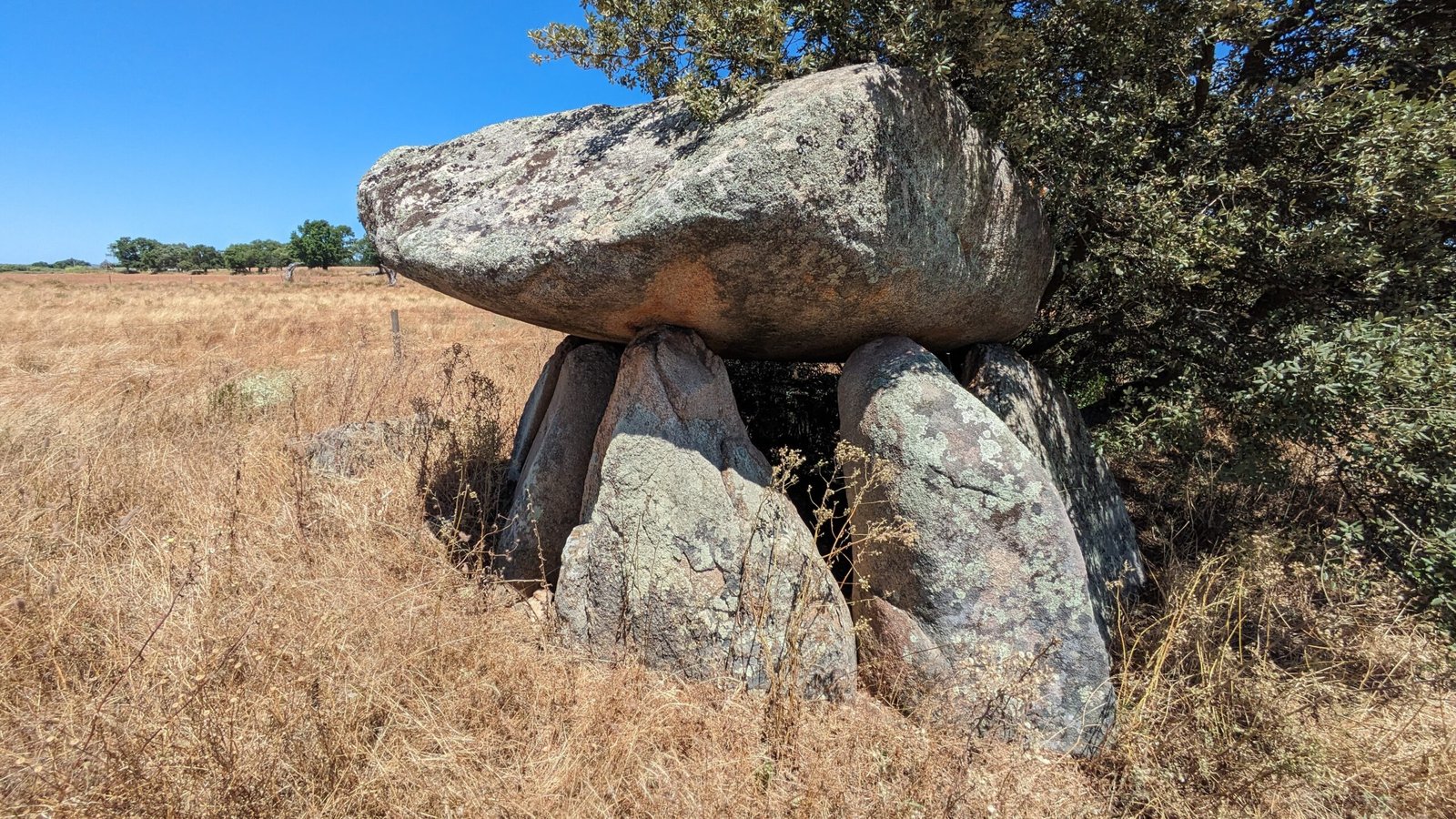
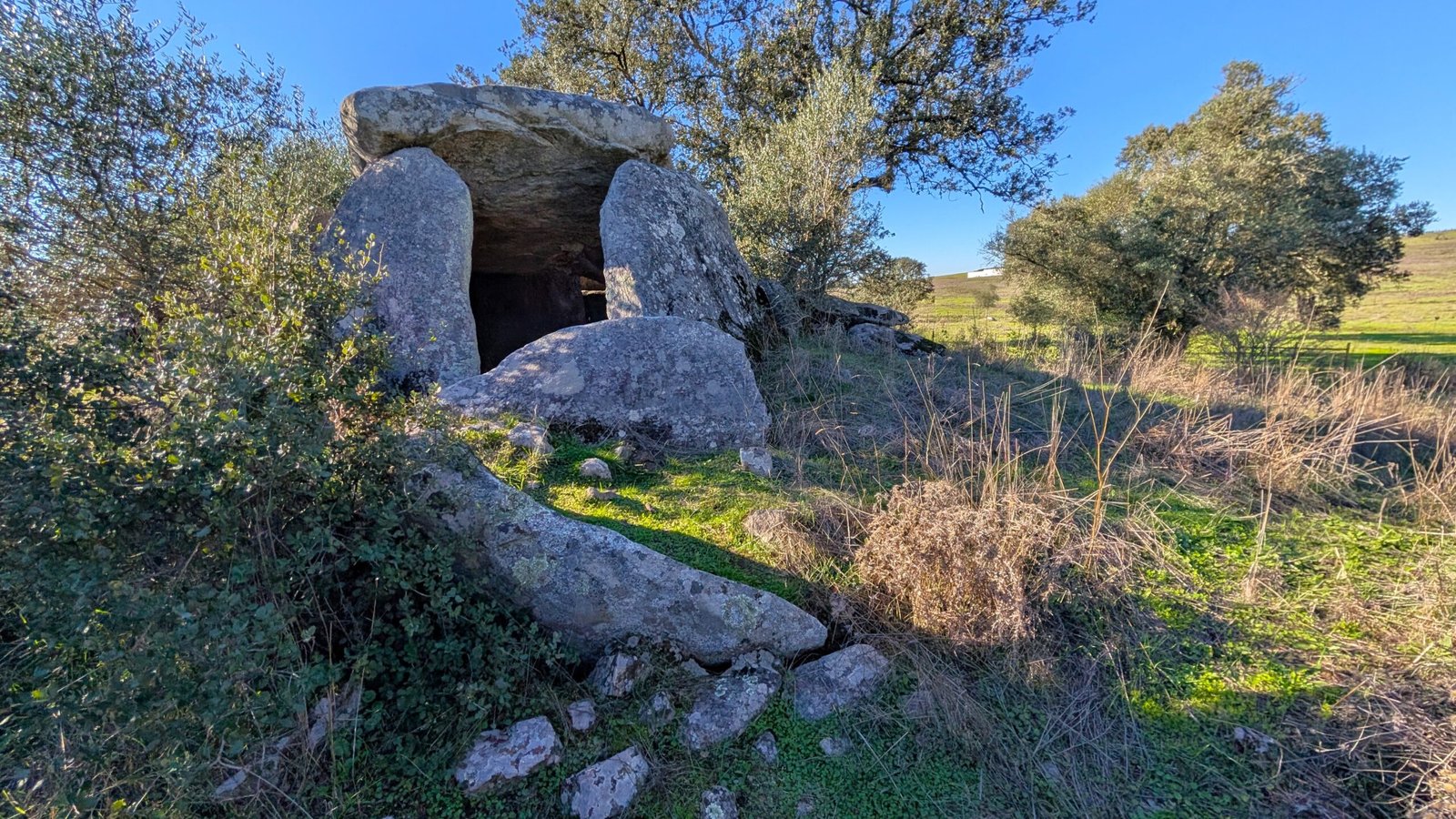
Also known as: Anta Grande da Herdade da Comenda Walk across the cattle field and enter the gate. Looming above you is an impressive stone structure. Walk close and peer through the gap in the stones. The structure is even more impressive, with almost half its height buried under ground. …
Also known as: Necrópole Megalítica dos Coureleiros, Antas dos Coureleiros Walk along the road leading through the farmland: paddocks on either side of you, with the occasional herd of cows. The constant thumping of the nearby rock quarry provides an unpleasant soundtrack for your visit to this “park.” But if …