
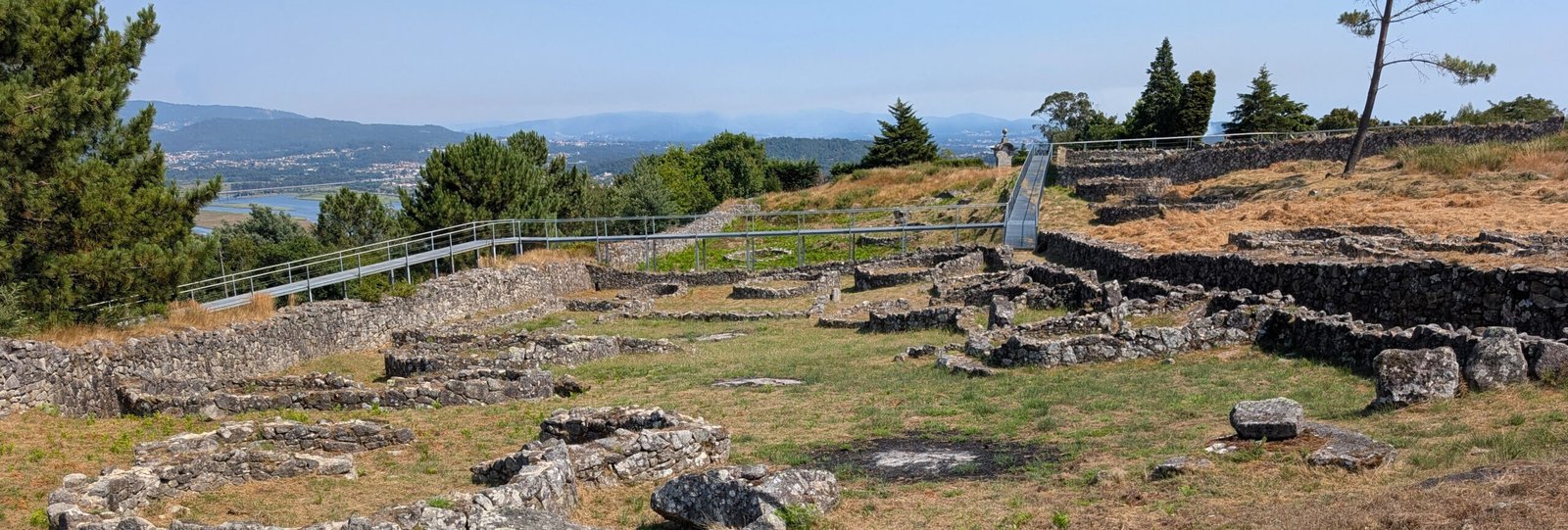
This page features some of the settlements that existed in Portugal during the prehistoric period – typically during the ages of metal. Some were fortified stone hillforts (castros), while others were places enclosed with ditches. Many prehistoric settlements continued to be occupied in the historic period, and the artefacts and remnants of the prehistoric period may be lost. When there is a significant element of prehistory in such a location, it will be included here.
Use the map below to browse or search among the various settlement sites. Clicking on a cluster (a coloured circle with a number in it) will zoom in and disperse the cluster. Highlighted map markers indicate sites that are described on this website. More posts are added as sites get visited. (If you know of a settlement that should be added to the map, please let me know!)
Below the map is a list of all the settlement sites on our website …so far!
-
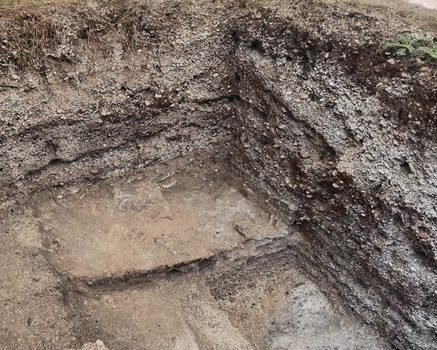
Concheiros de Muge
English name: Shell Middens of Muge At first glance, it’s nothing but a hill. Then you see shells scattered on the ground. These are seashells …but this hill is many kilometers away from the ocean? It’s only when you look much closer do you realize that these are not natural hills, but human-made mounds of…
-
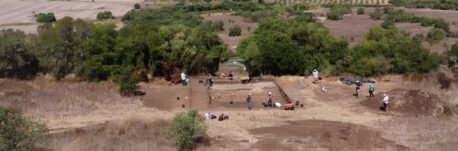
Outeiro do Circo
The long, low hill stretches across the Alentejo countryside. At the edge of the hill, along the northern treeline, you can hear the sound of shovels and picks. The archaeological team is digging, trying to learn the details of this place. The only evidence of what was once an enormous settlement are the stones and…
-
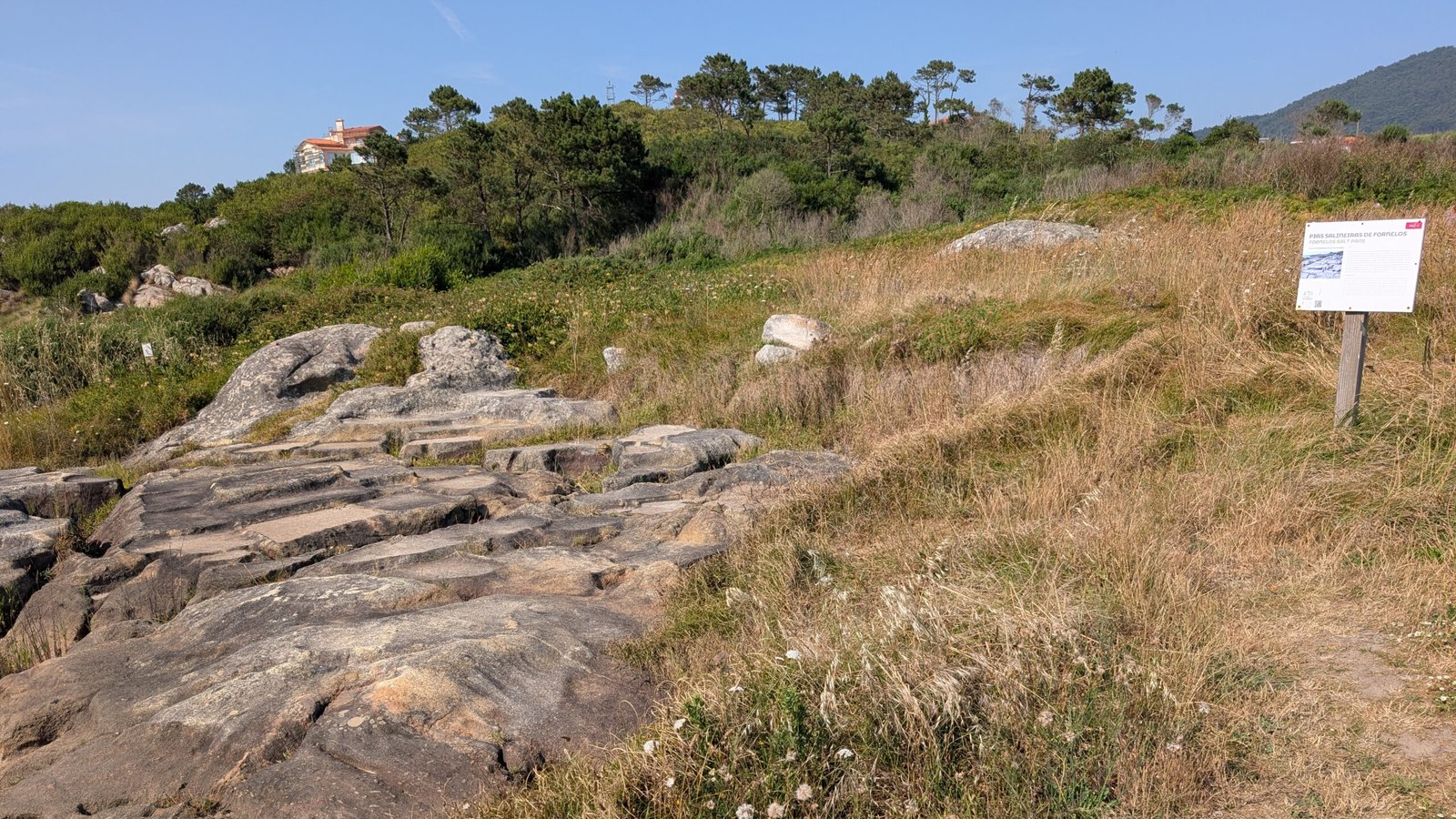
Pias Salineiras de Fornelos
Also known as: Salinas de Fornelos English name: Salt pans of Fornelos Walking around a beach area that’s filled with boulders, cliffs, and more, it’s very easy to ignore some of the rocks. But do at least look more closely at any that seem out of the ordinary. Ignore these oddly-shaped stones and you’ll miss…
-
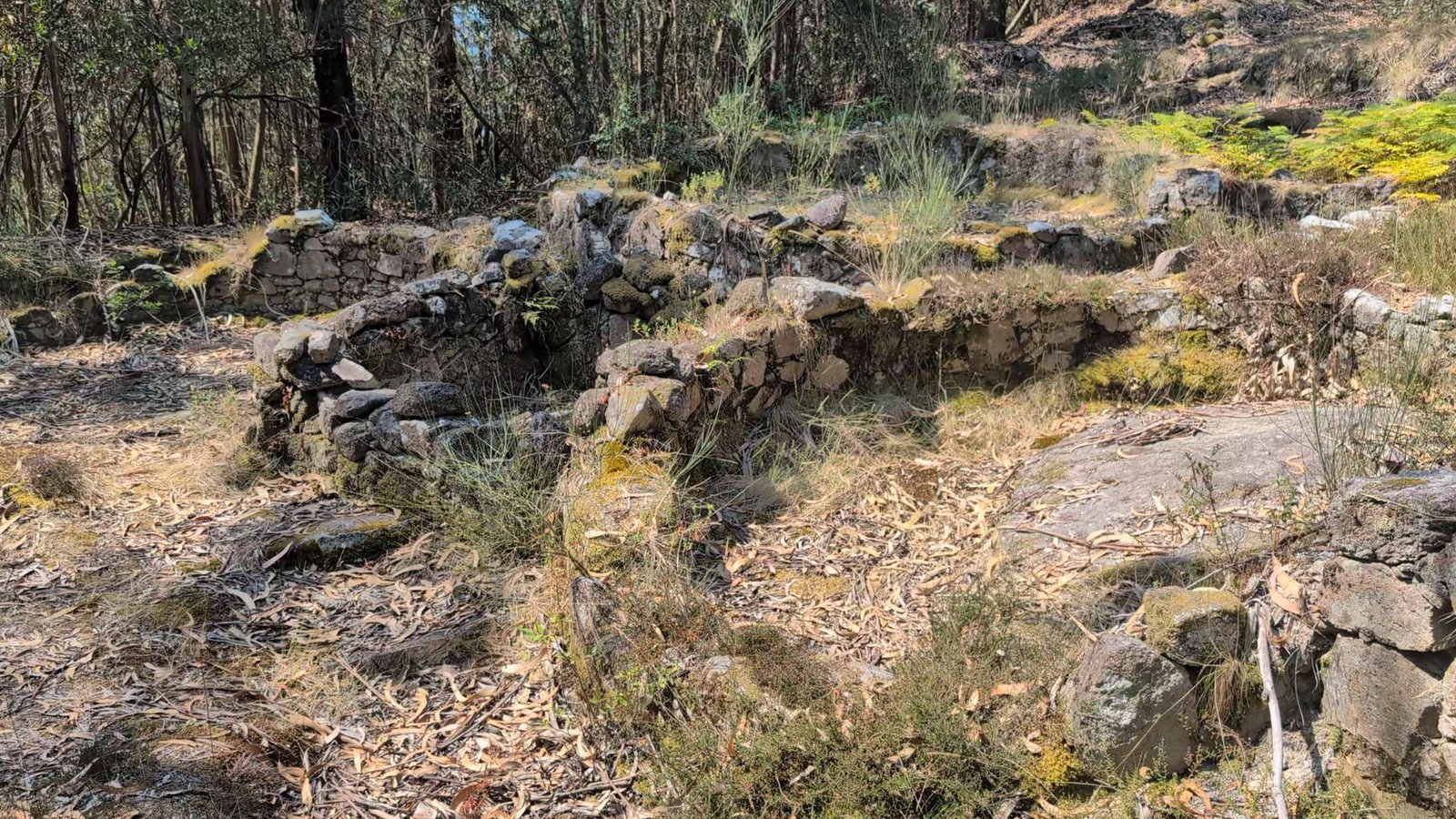
Cividade de Afife/Âncora
Also known as: Cividade de Âncora, Cividade de Âncora-Afife Walking around the stones, your feet crunch the dry eucalyptus leaves. It’s just possible to make out the foundations of ancient houses, roads, doorways, and more. Beyond the stones that emerge from the soil and vegetation, there are hints and traces of others beyond. This enormous…
-
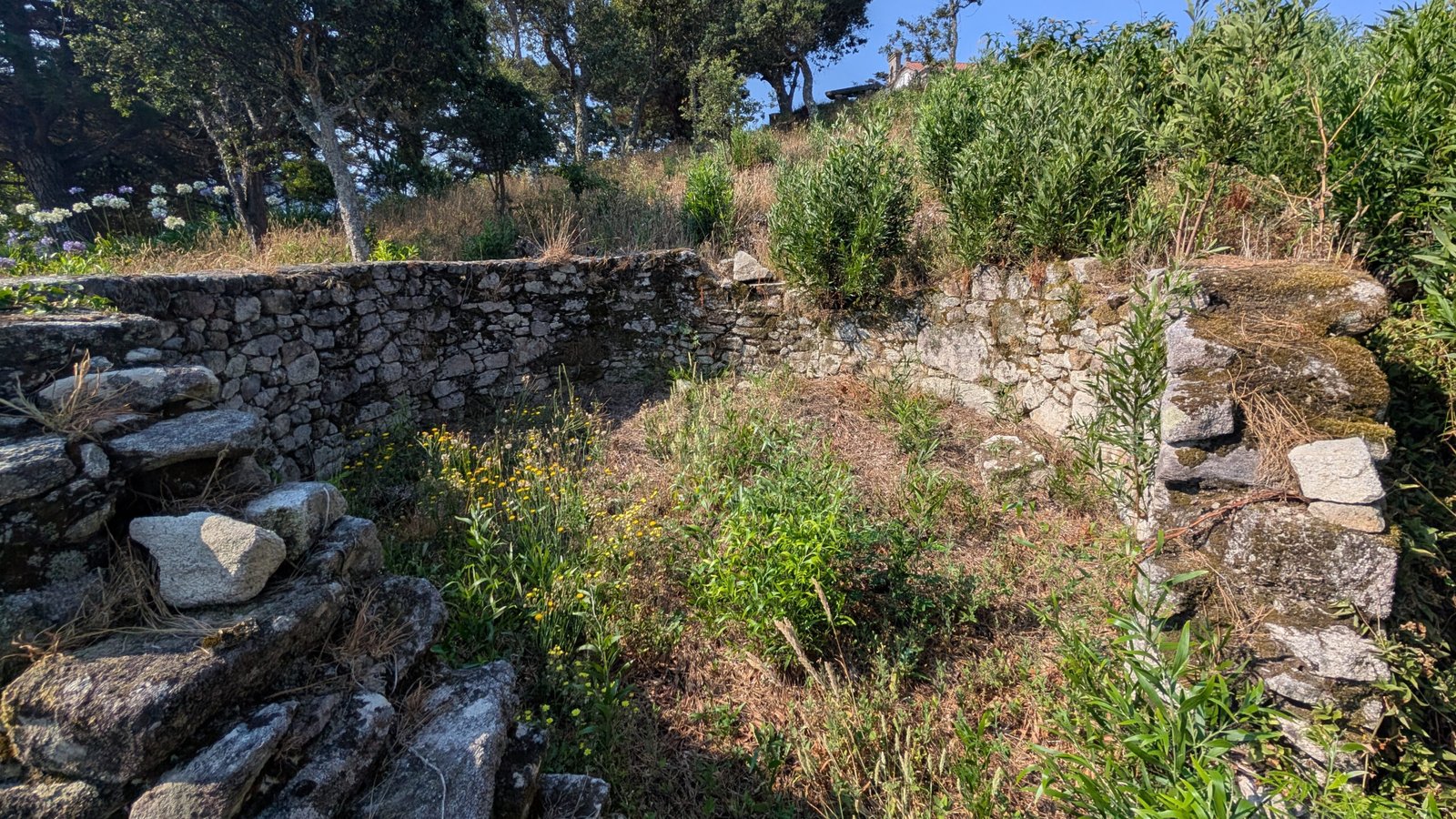
Castro de Santo António
Underneath the 17th century chapel and its surrounding park lie the remains of a large fortified settlement from the time before the Romans or Christianity came to Portugal. The single rebuilt house at the entrance stands as a reminder that the modern use of the hilltop is only the latest evidence of people’s use of…