Anta da Pata do Cavalo
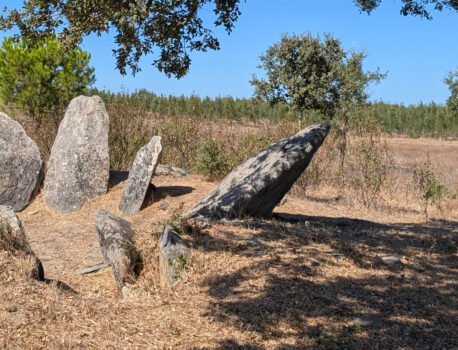
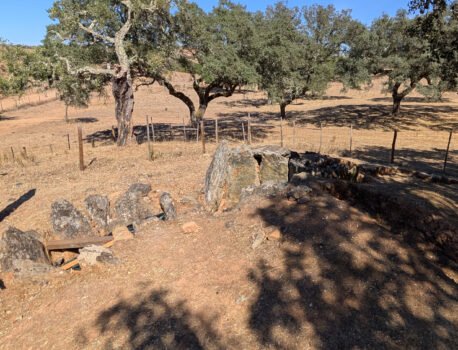
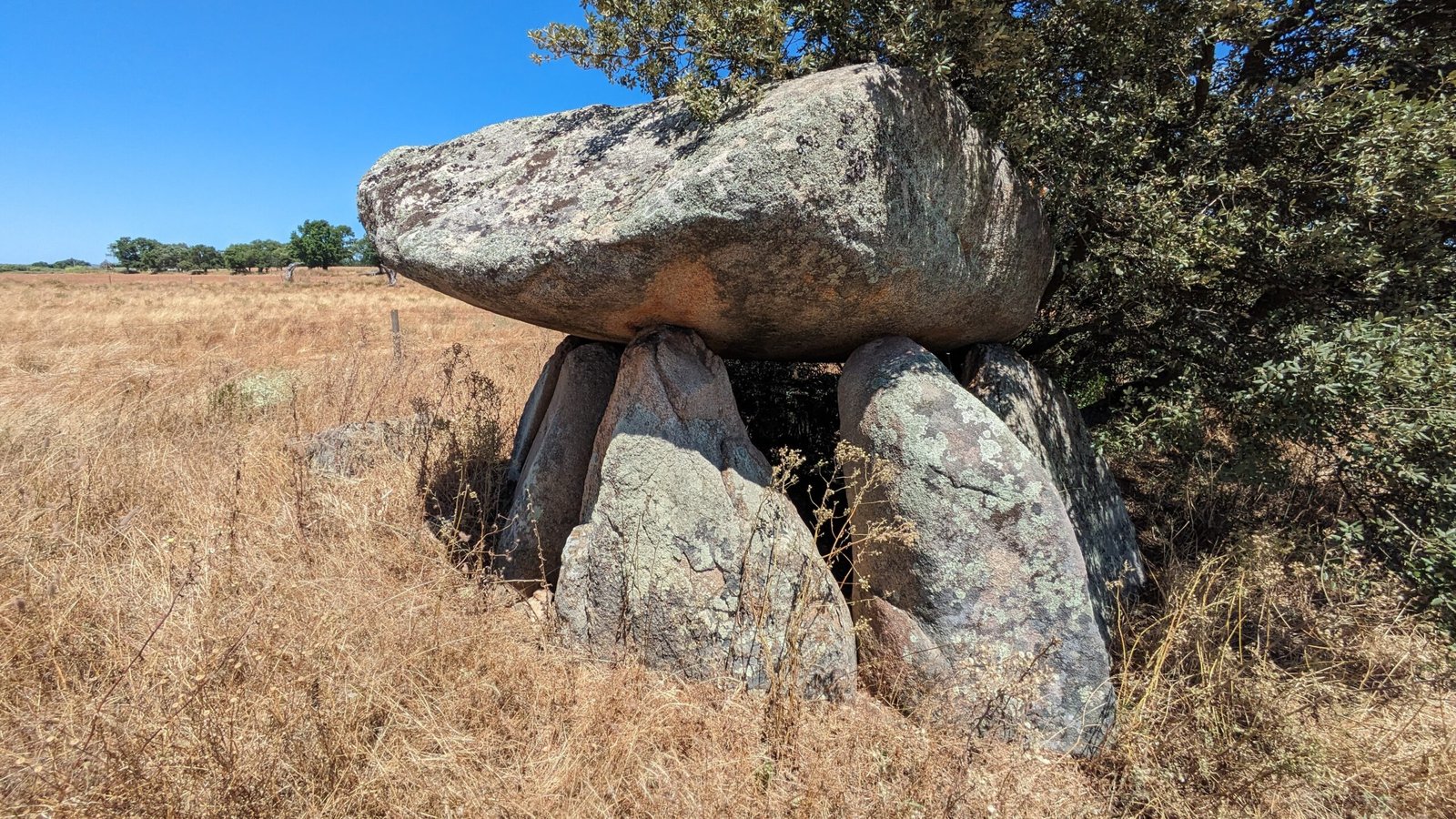
An enormous dolmen with a chamber at least 4m across, in Grândola (Setúbal district).

An enormous dolmen with a chamber at least 4m across, in Grândola (Setúbal district).
An unusual dolmen in the Grândola municipality: this dolmen has two connected chambers.
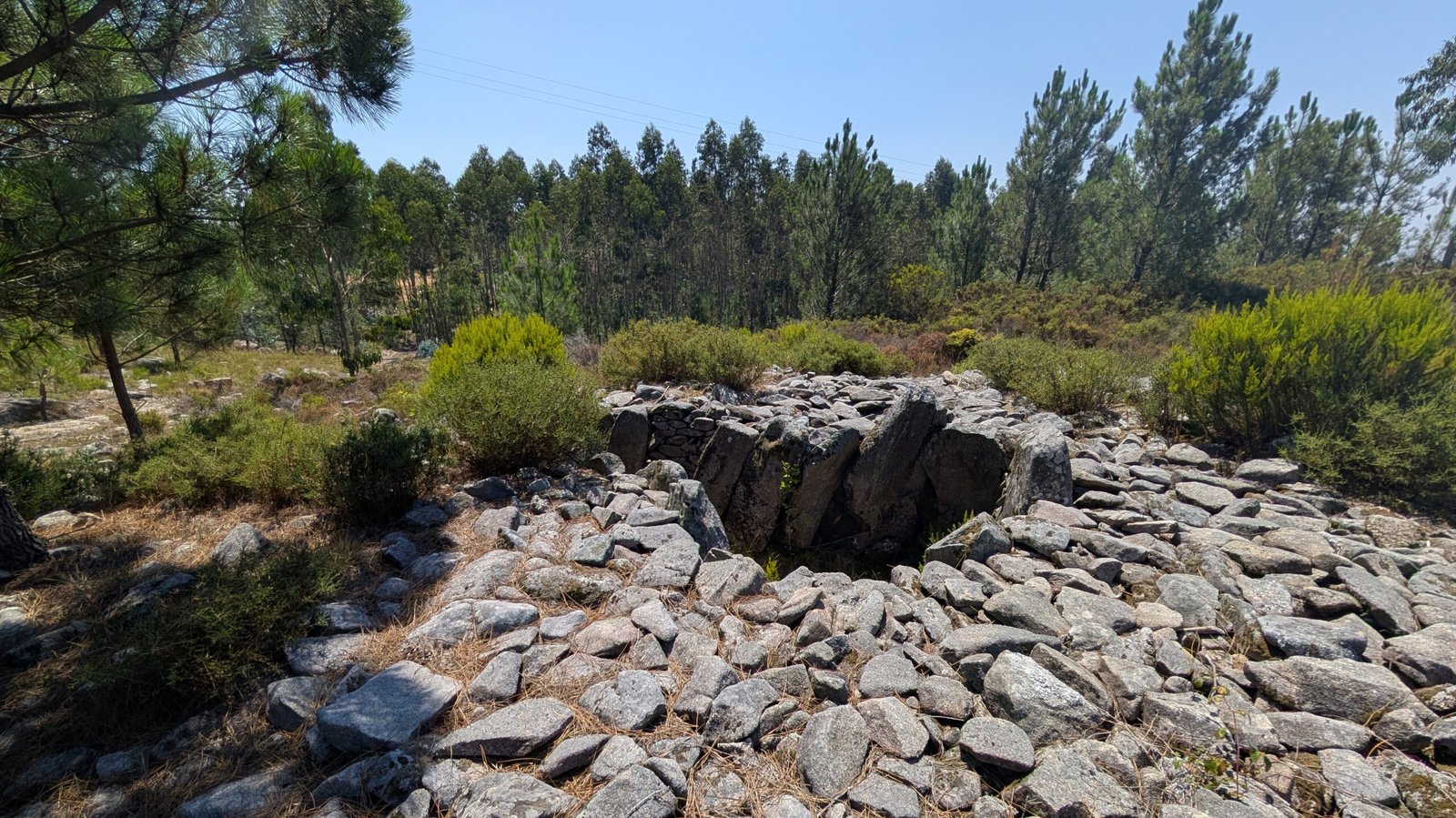
Walking along the forest trails, the peace and quiet is almost palpable. There are stone outcrops all around, as well as large stones in the trail itself. So it’s not surprising to see a large hill of stones beside the trail …until you look closer and see that these stones …
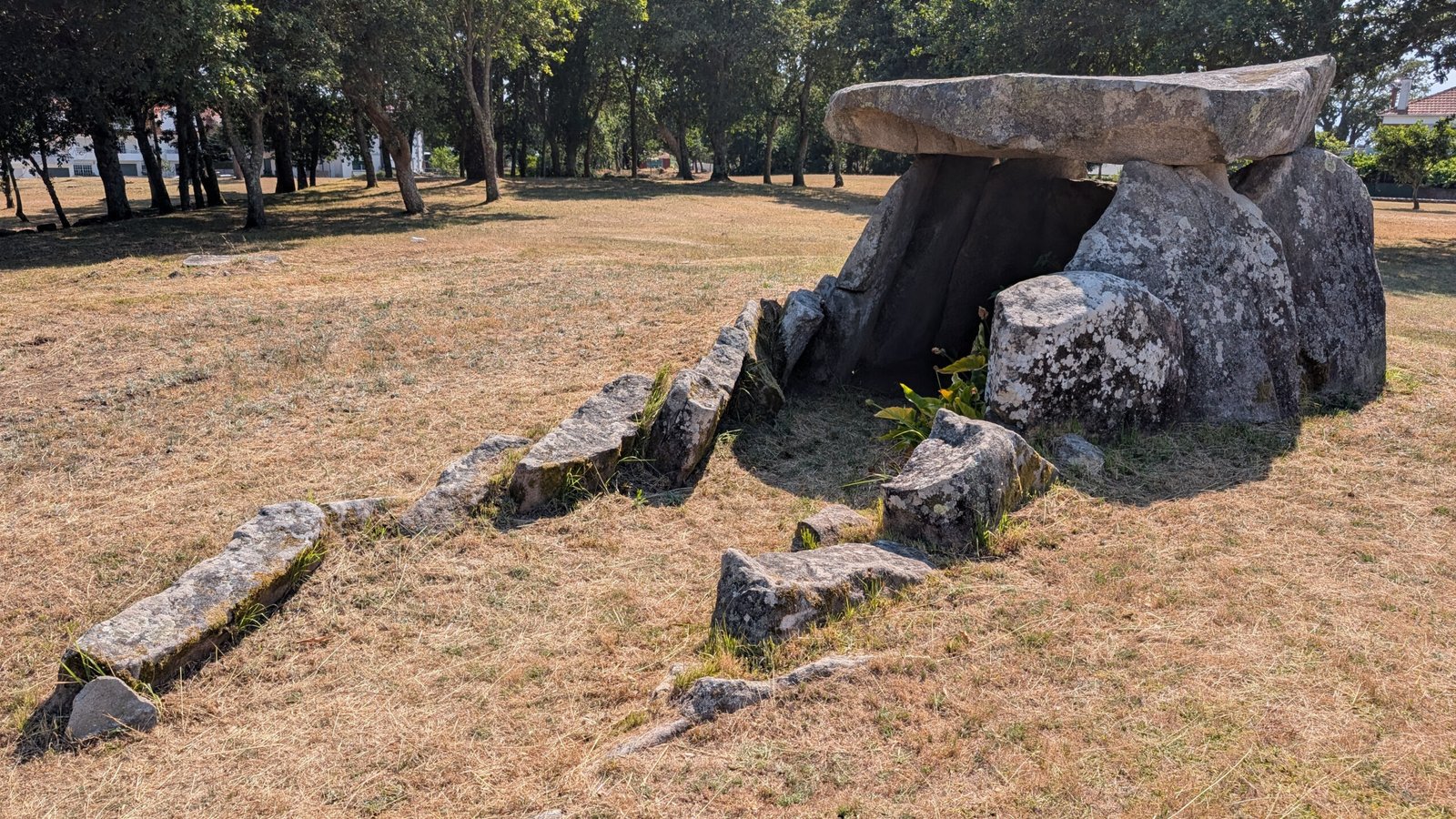
Also known as: Dólmen da Barrosa, Lapa dos Mouros Surrounded by houses and the soft buzz of traffic, the city park is relatively quiet with some families taking advantage of the picnic tables shaded by large trees to enjoy a cool refreshment on a hot summer day. In the middle …
Walk along the road through the industrial area of Taco, in the town of Albergaria-a-Velha, and if you keep your eyes peeled you may see something intriguing. Beside a bakery factory, two empty spaces contain low mounds each with a notice board beside them. These are funerary structures that people …
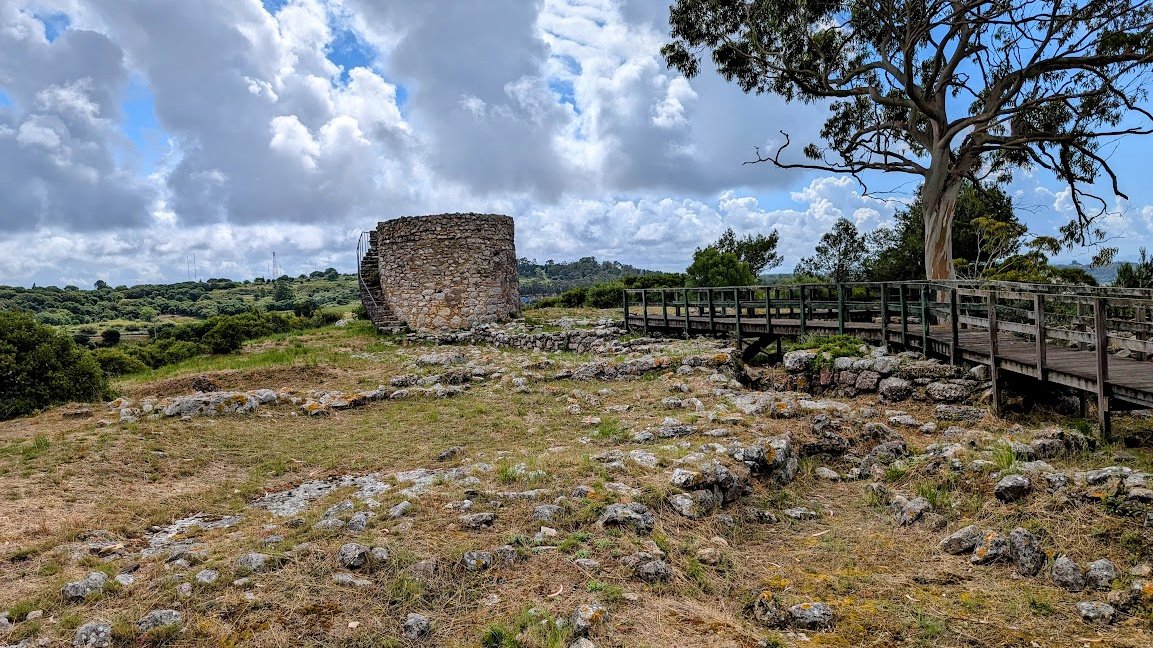
Also known as: Povoado Pré-Histórico de Leceia, Povoado calcolítico de Leceia, Estação Eneolítica de Leceia, Castro de Leceia, Estação Arqueológica de Leceia Walking along the boardwalk, you can admire the views: wooded hills, with the town of Leceia, then on the other side a sharp drop down to the Barcarena …
Also known as: Núcleo Megalítico da Ordem, Antas do Monte da Ordem, Antas da Herdade da Ordem Walking through the pasture, keeping an eye on the herd of cows, you can feel the Alentejo sun beat down on your head. Duck underneath the irrigation mechanism. Follow the dirt track that …
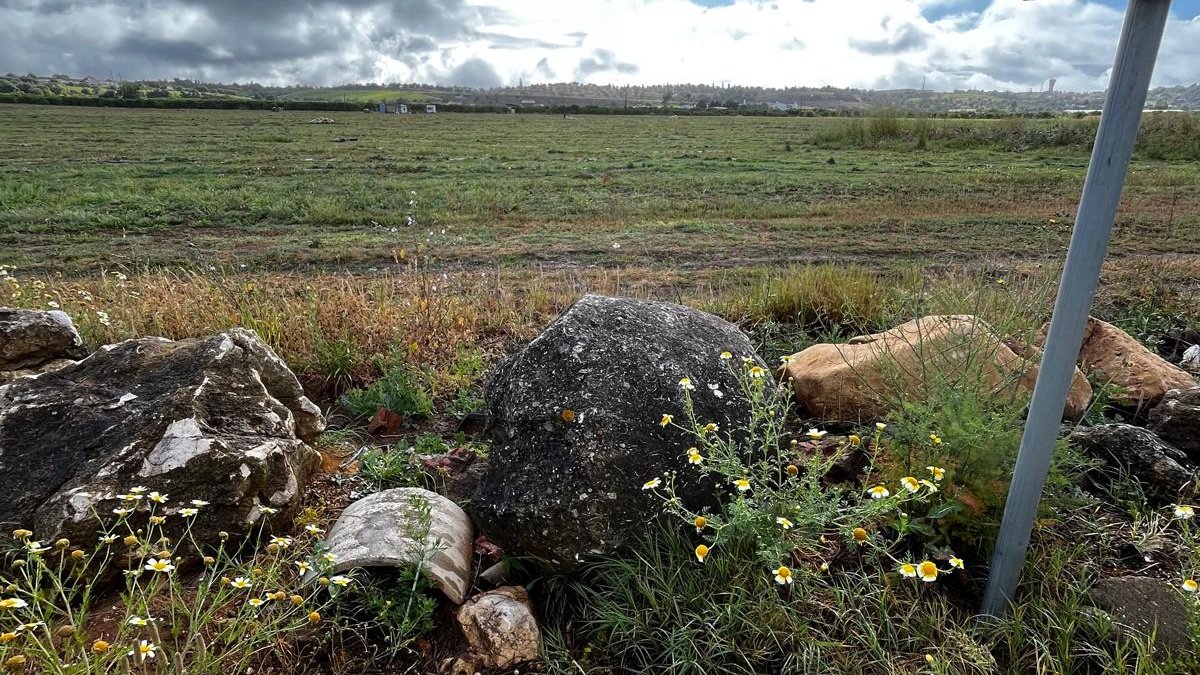
A fallen and broken stone, originally part of a menhir or standing stone. The stone is broken, and is lying beside the road as part of a stone border. It very likely was originally situated somewhere else, possibly in a field. The museum in Portimão has a display that says …
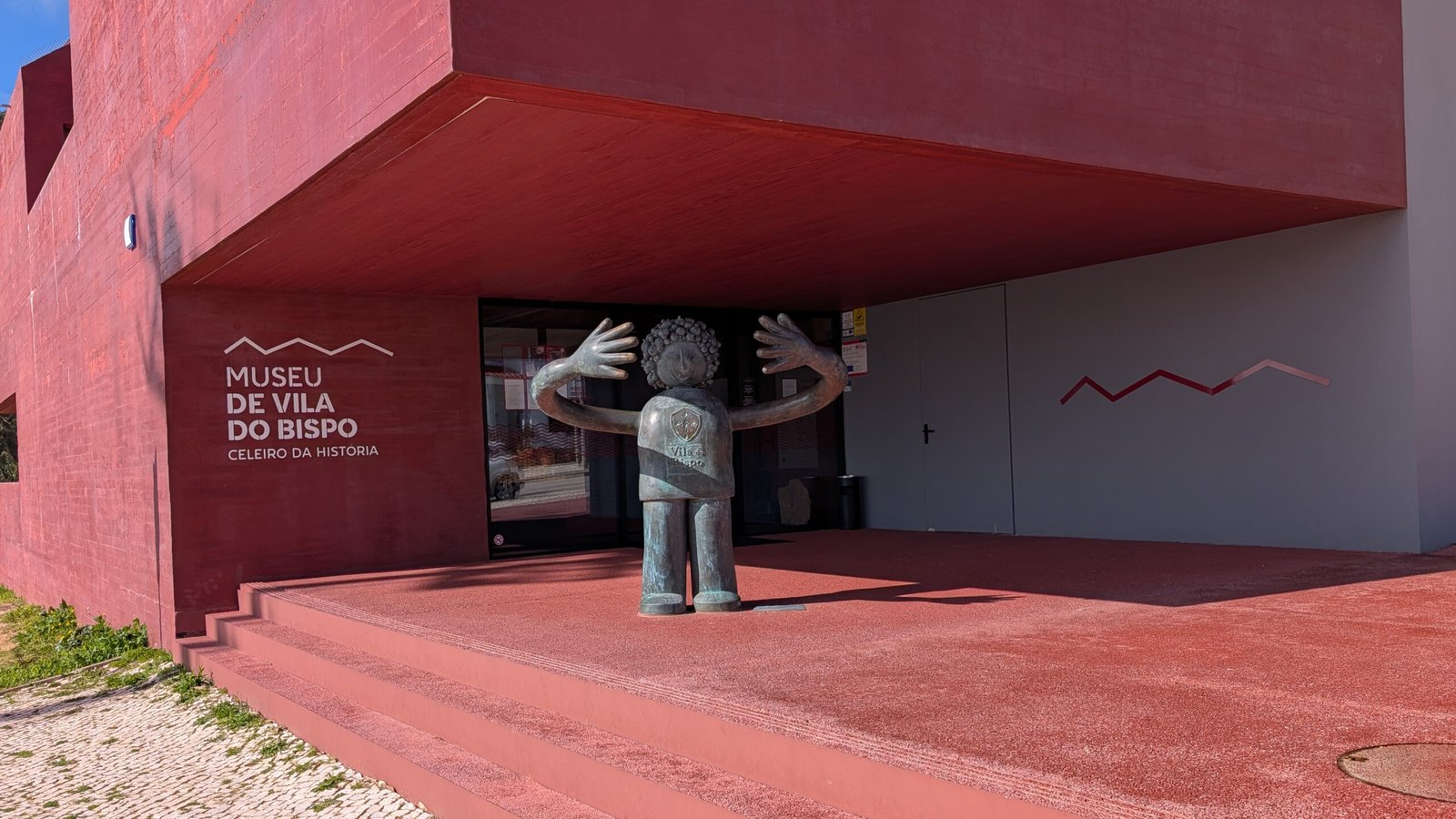
In Portuguese: Museu de Vila do Bispo, also known as: Celeiro da História (“The Granary of History”) Come into this restored granary, and walk through the history of the region. From dinosaurs to the modern day, a carefully and artistically designed space guides you through the huge spaces of the …
Also known as: Menires da Pedra Escorregadia, Sepultura da Pedra Escorregadia, Necrópole da Pedra Escorregadia Stand on the hilltop, and listen to the cars racing past on the road below. On this hill, the stones have stood still for many thousands of years. Looking around the view, you can see …