
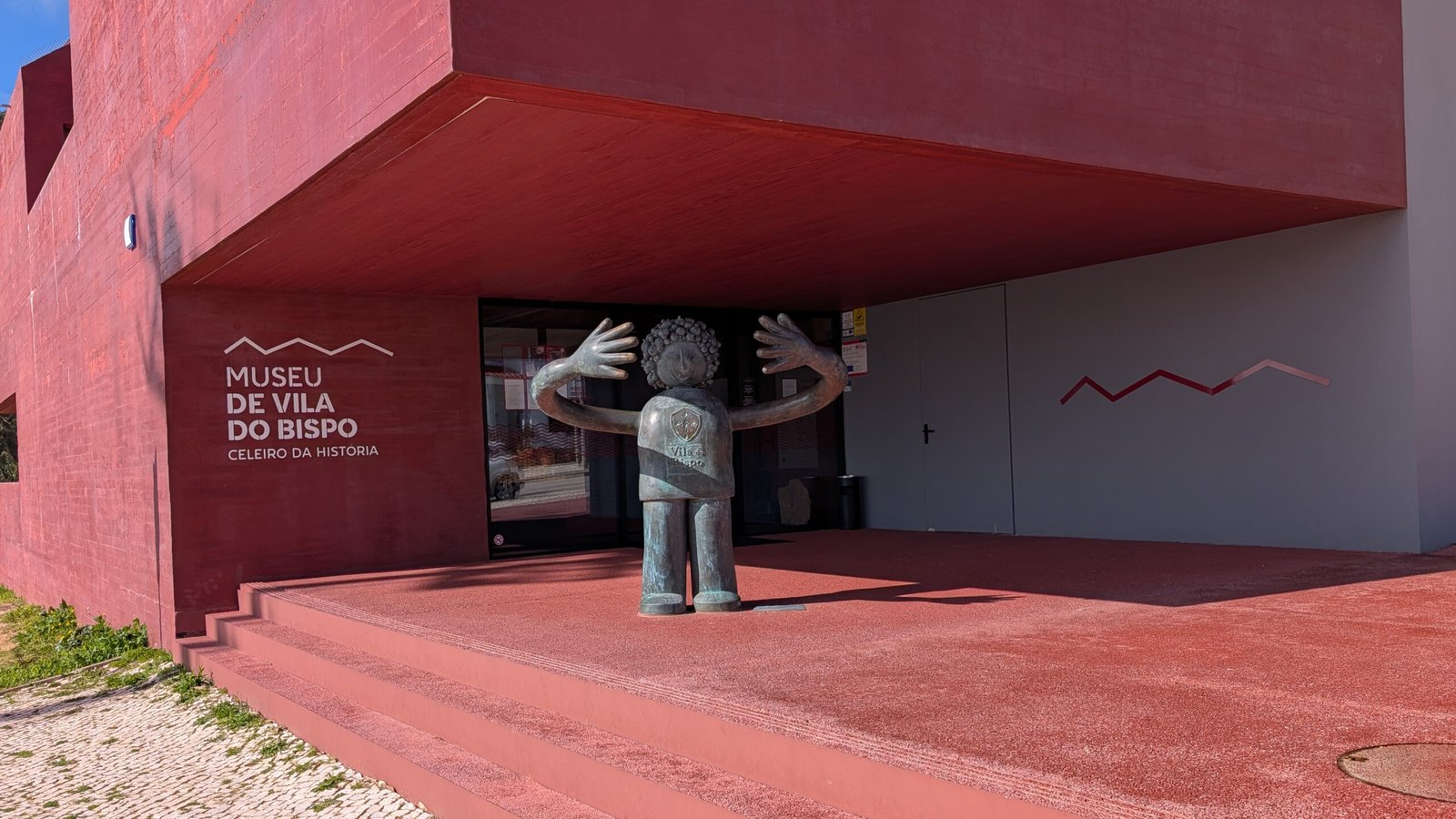

In Portuguese: Museu de Vila do Bispo, also known as: Celeiro da História (“The Granary of History”)
Come into this restored granary, and walk through the history of the region. From dinosaurs to the modern day, a carefully and artistically designed space guides you through the huge spaces of the old warehouses, teaching you and showing you how the region has been shaped by history.
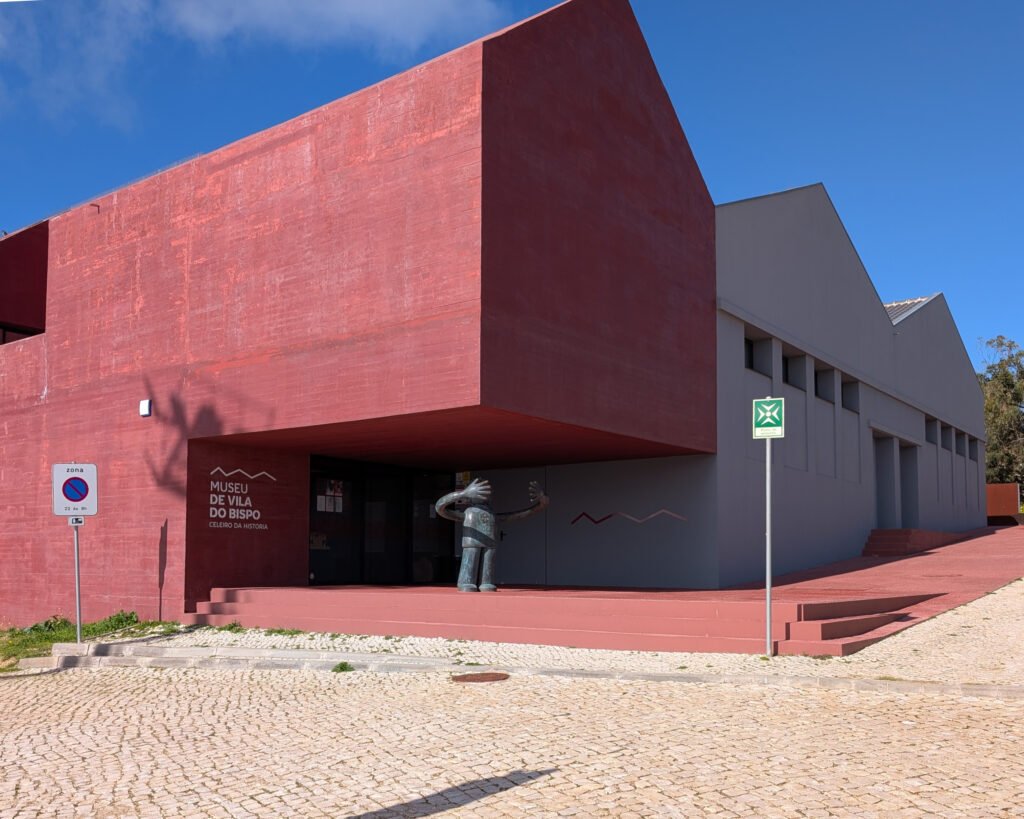
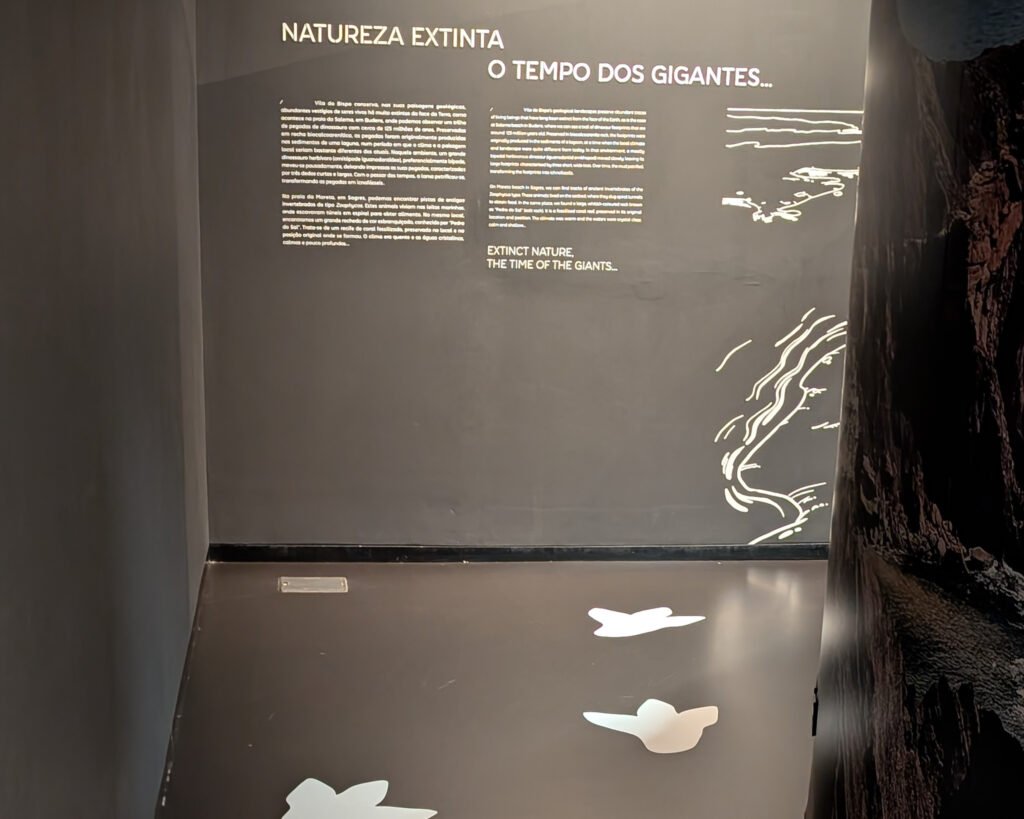
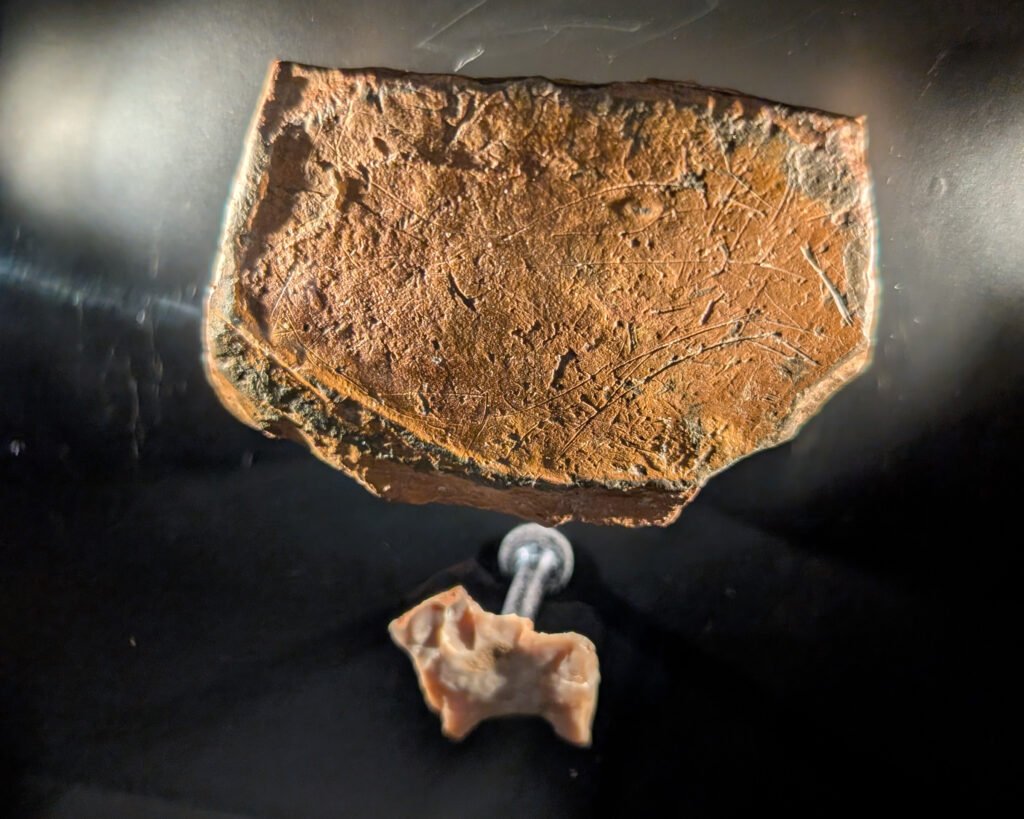
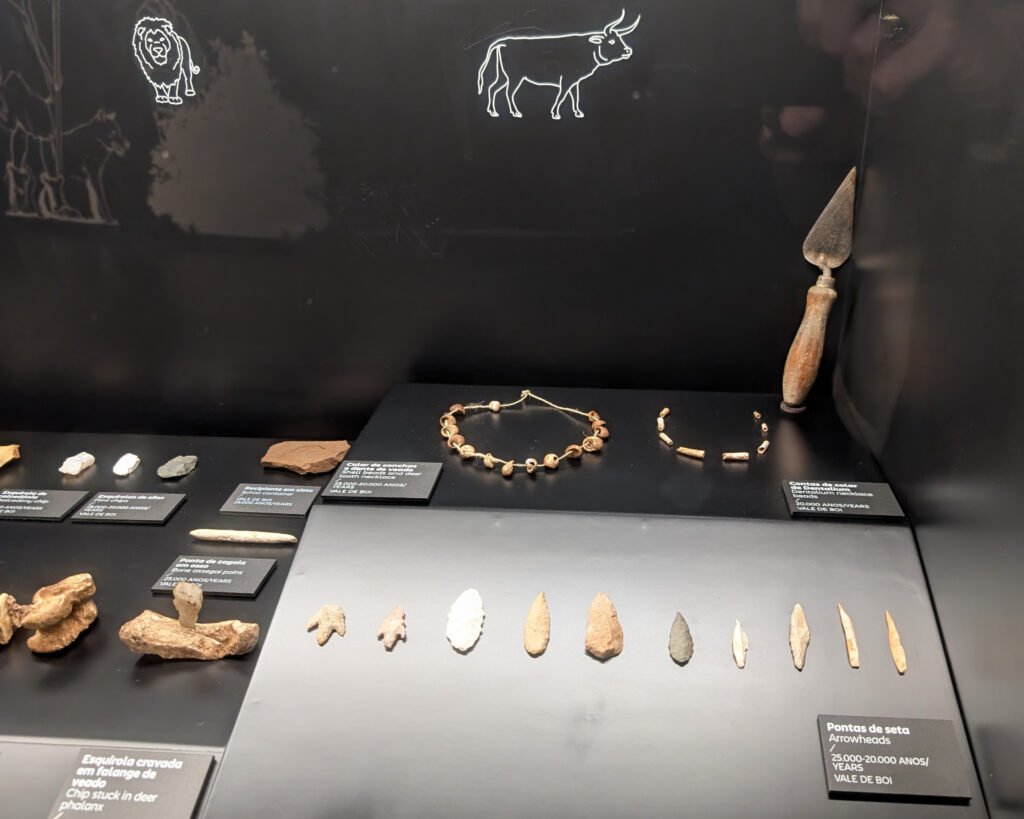
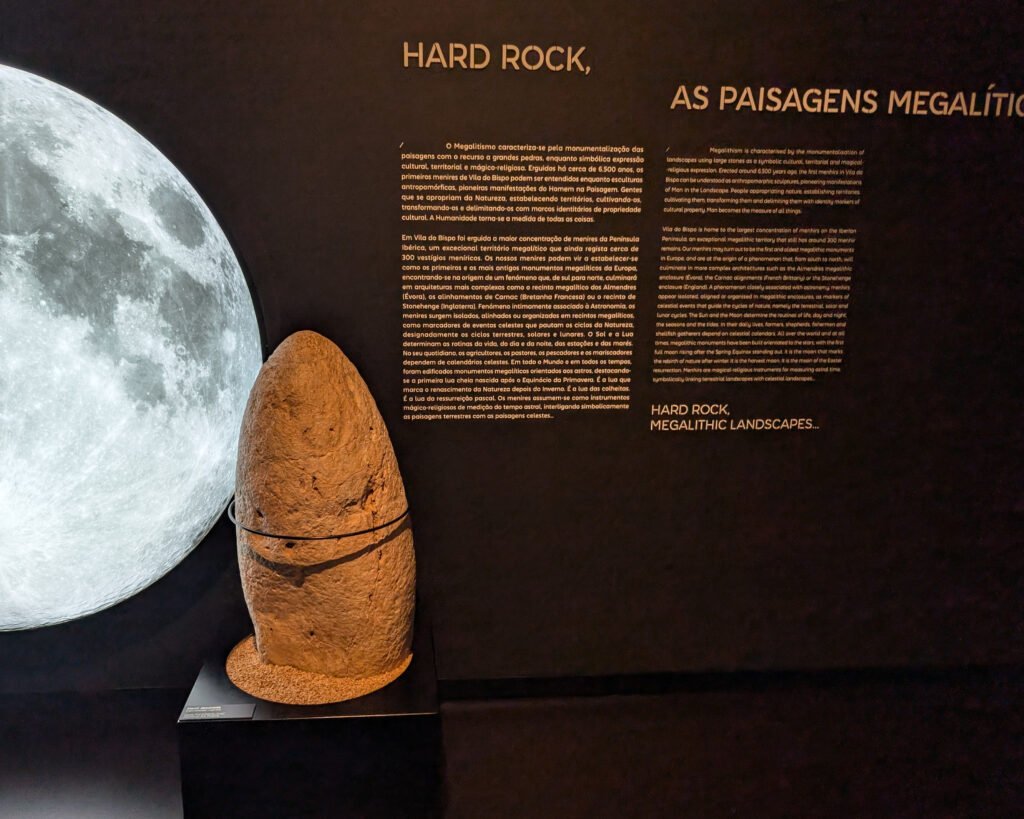
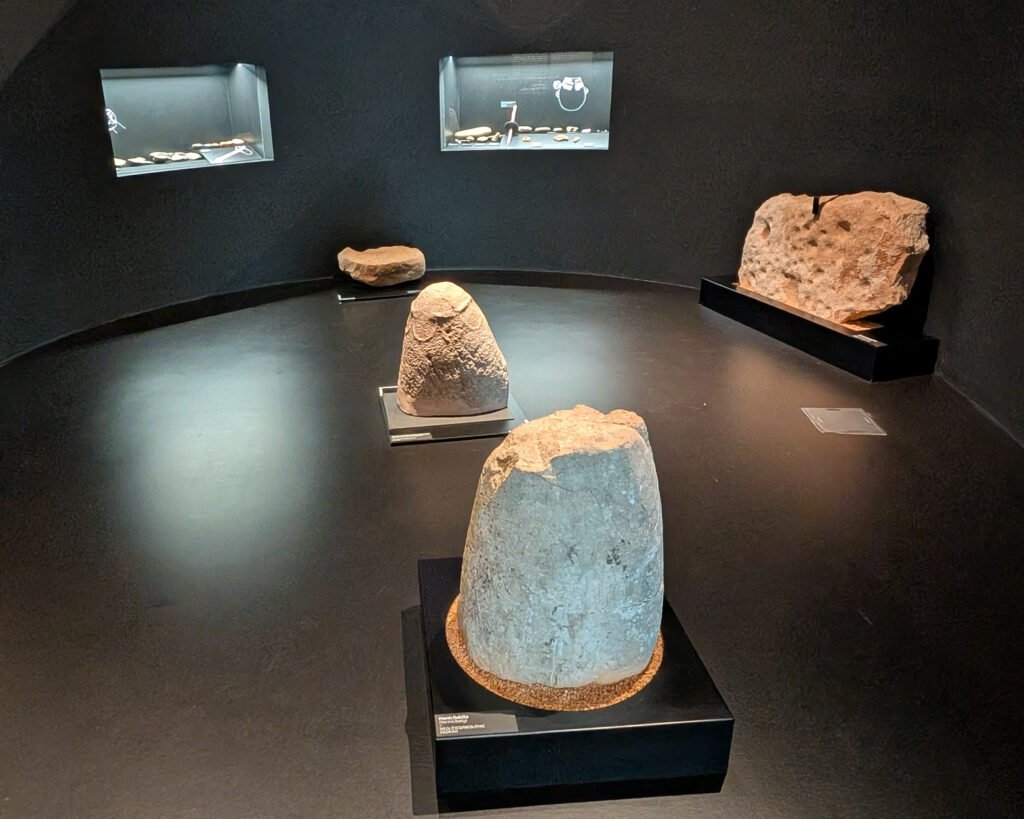
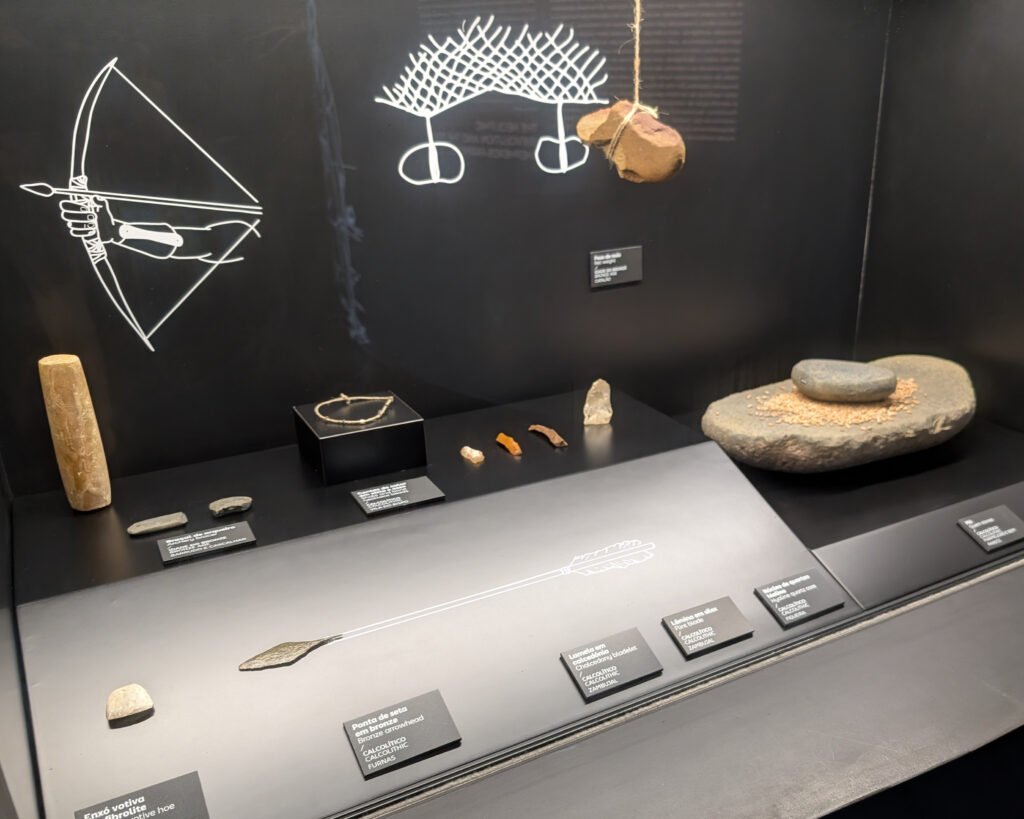
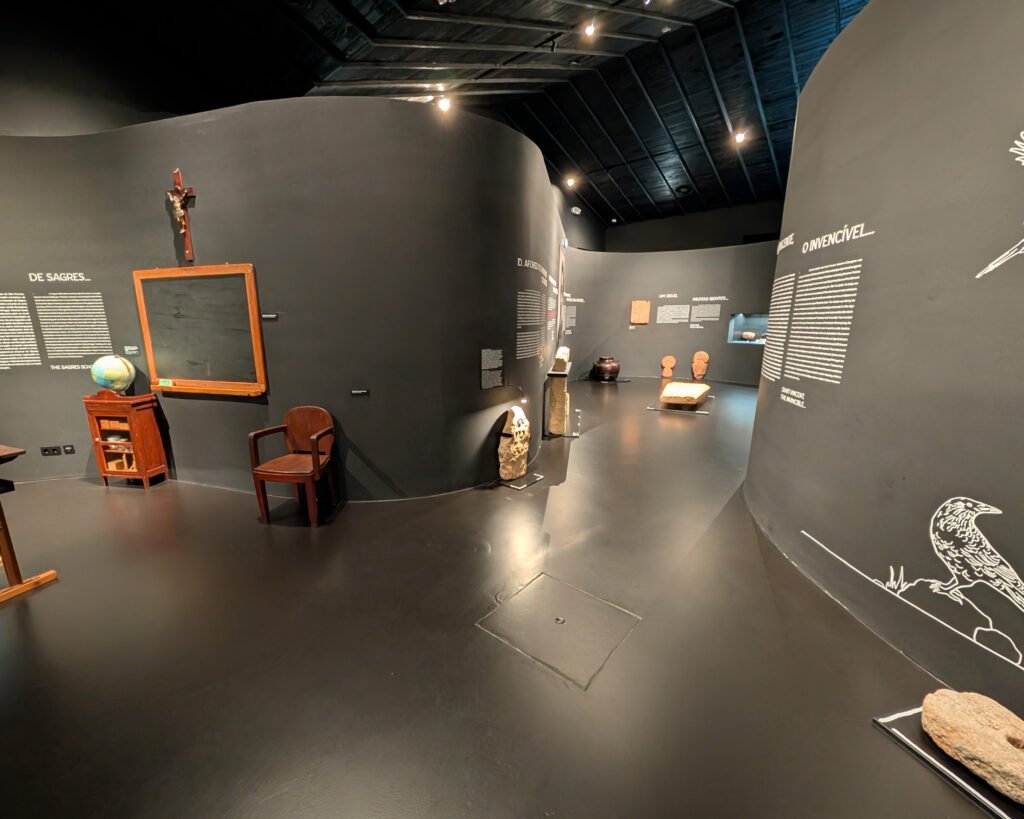
The design of the museum, with an interesting flow through the huge spaces of the old granary, has won architectural awards. It’s an effective and engaging journey through history and prehistory. There’s plenty to appeal to those of us who are focused on prehistory, with displays of the Paleolithic finds from the Vale do Boi, as well as many Neolithic exhibits. Vila do Bispo is proud of its Neolithic heritage, with many hundreds of menhirs erected in the area. (Almost all are no longer standing.) The historic periods, Roman, Islamic, Christian, and modern, are also well represented with fascinating and educational displays. It’s hard to tear yourself away!
Location
Vila do Bispo is in the Algarve (Faro district), on the western end, near Sagres. The museum is on the edge of the small town of Vila do Bispo.
Admission
The museum is open Tuesdays through Sundays from 10:00am to 6:00pm. (Closed Mondays and holidays.) Regular admission is €5, with discounted price (€2.50) for youths/students, families, seniors, etc.
Signage
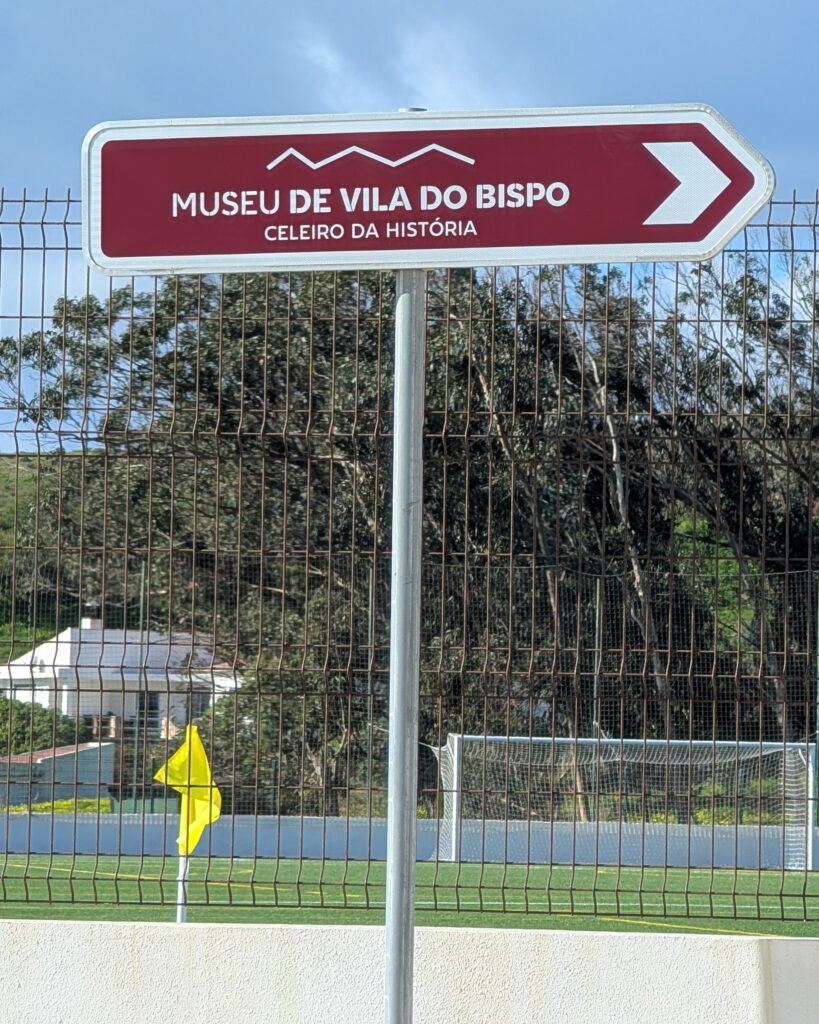
There are signs pointing to the museum throughout the town of Vila do Bispo.
Links
- Website (in English) from the town hall of Vila do Bispo
- Website (in Portuguese)
- Entry (in Portuguese) on Wikipedia
- Description (in English) from Algarve Tourism
- Post with Image Gallery (in English) from Architecture Masterprize
Nearby
There is a Megalithic Route about 1km south of town, including the Pedra Escorregadia site (fallen menhirs and tomb), cromlechs of Amantes, and the fallen menhirs of Casa do Francês and Cerro do Camacho. A little further away (about 5km) are the fallen menhirs of Milrei, and the standing Menhir of Padrão and the others (fallen) of its group.