Hipogeu de Monte Canelas
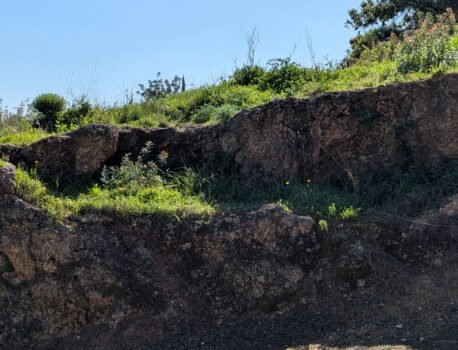
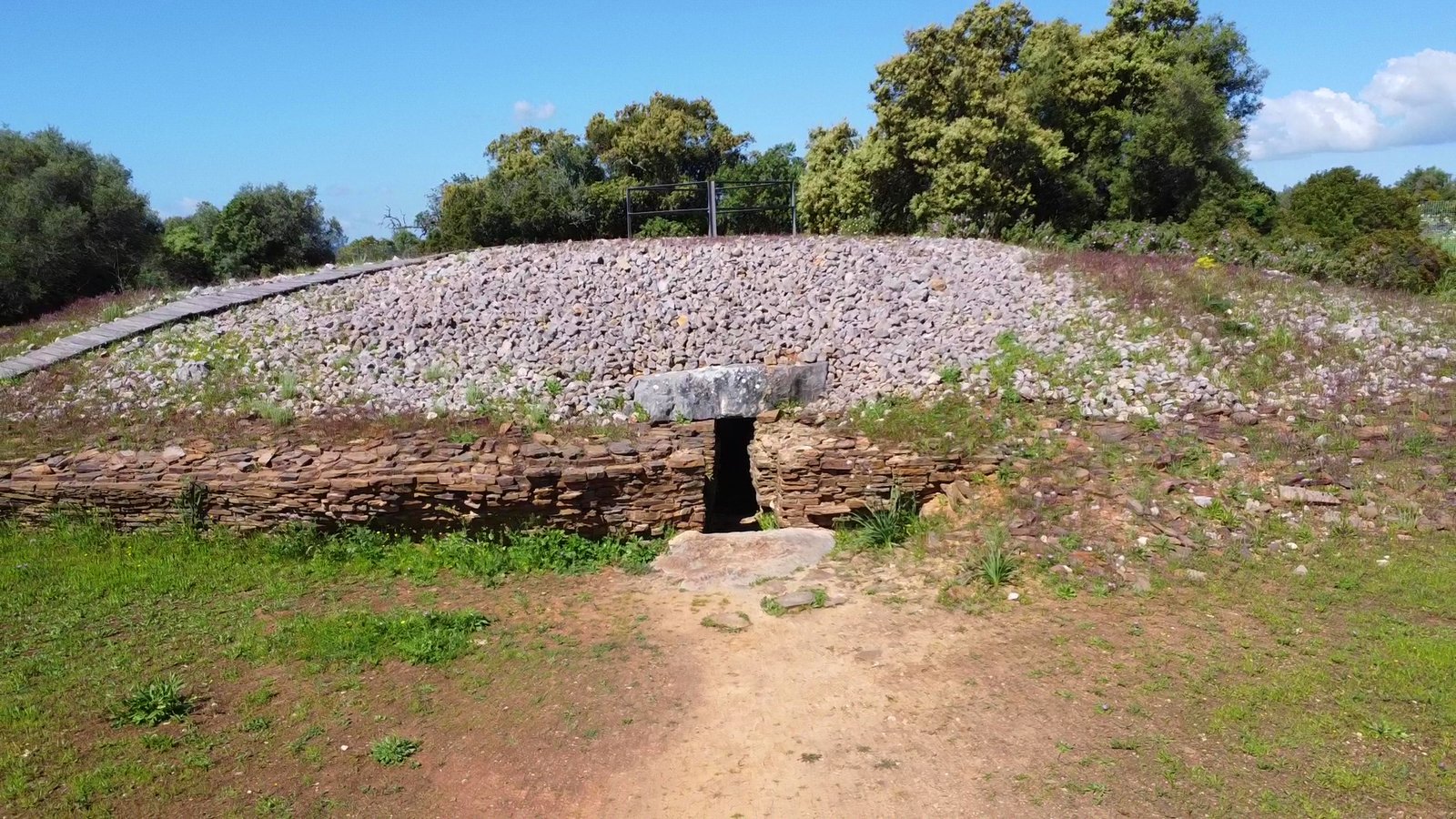
An artificial cave was dug into the rock about 3,500 BC and was used for burials during two periods. You can still see part of the carved circular chambers.

An artificial cave was dug into the rock about 3,500 BC and was used for burials during two periods. You can still see part of the carved circular chambers.
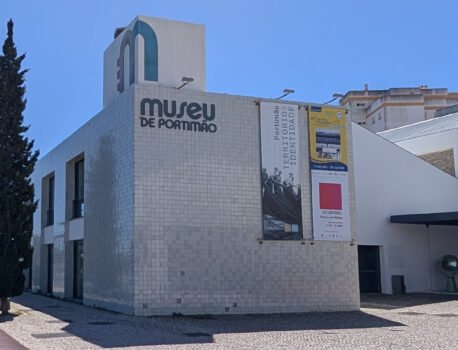
An excellent museum with much fascinating information about both prehistory and history.
Also known as: Megalithic Monuments of Alcalar, Alcalar 7, Alcalar 9 It’s just about possible to see the sea from here, but this is not your typical Algarve beach spot. These hills, in the foothills the mountains of Monchique, hold a very special allure to entice people away from the …
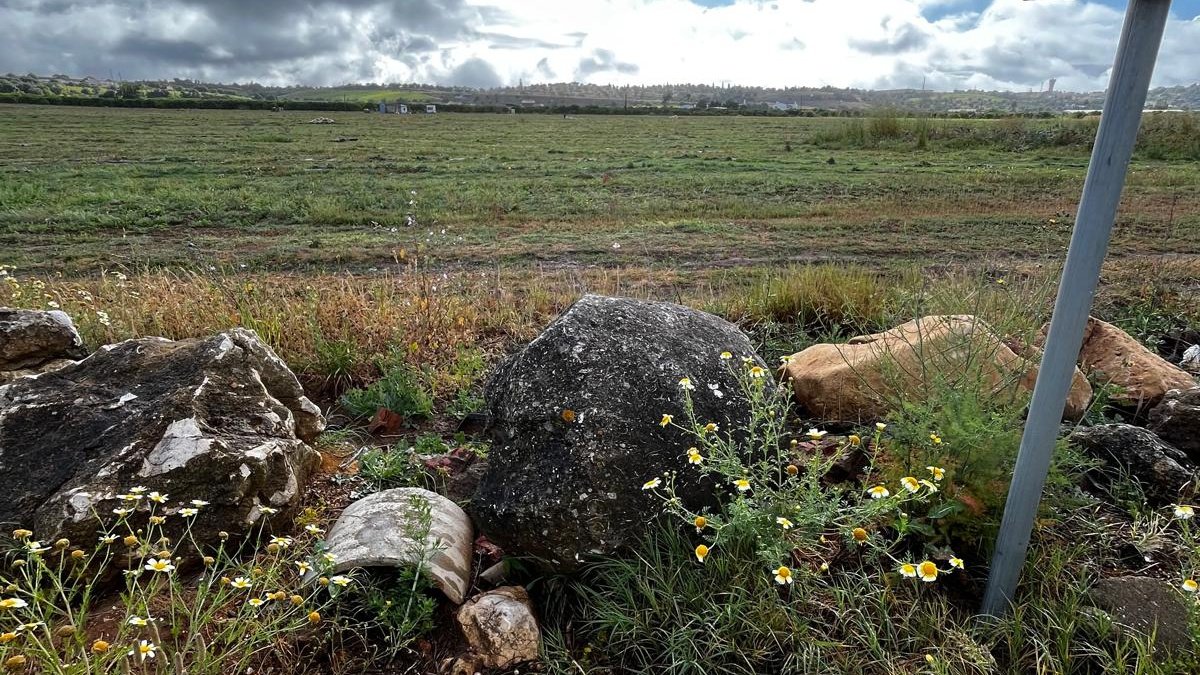
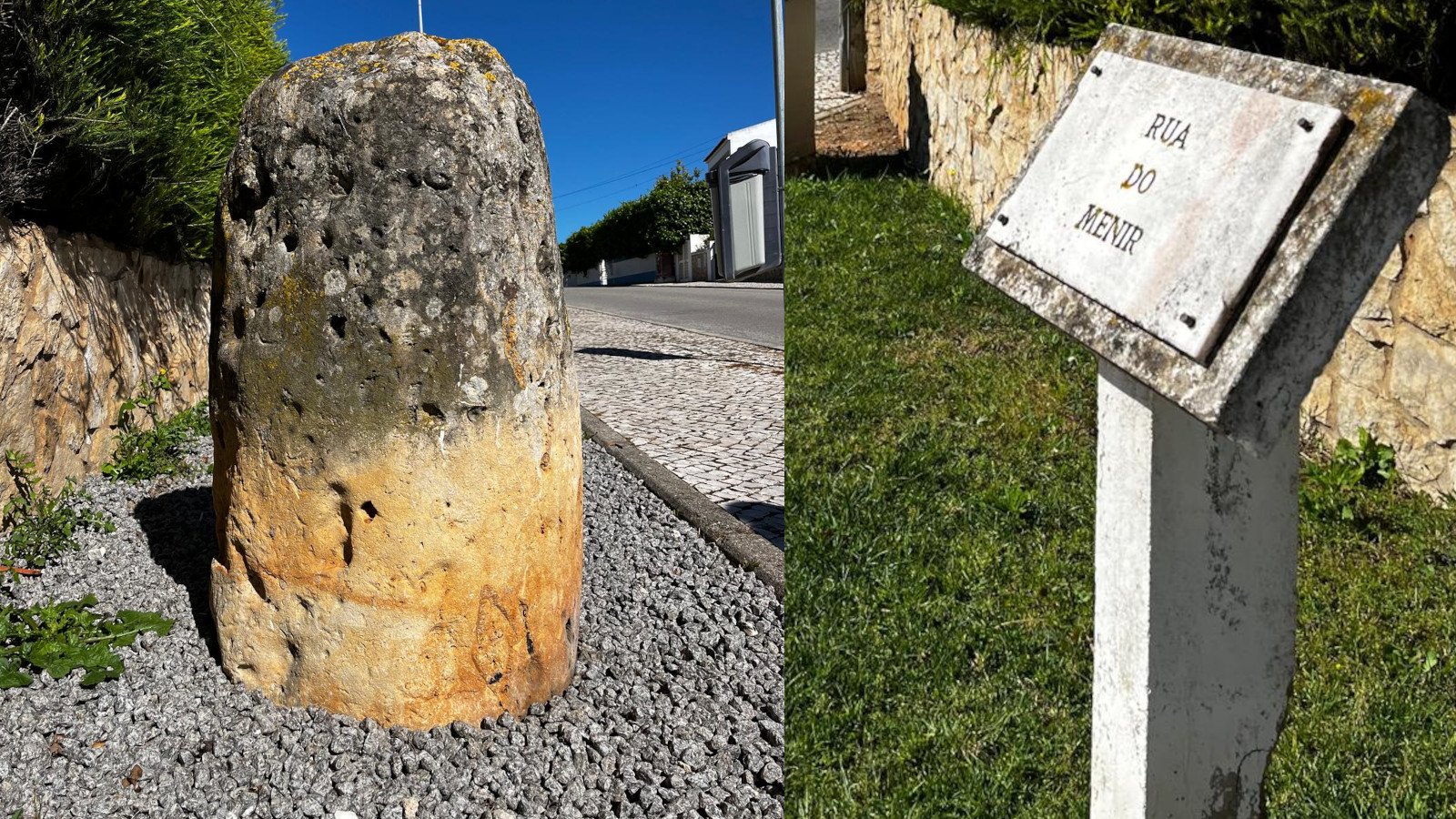
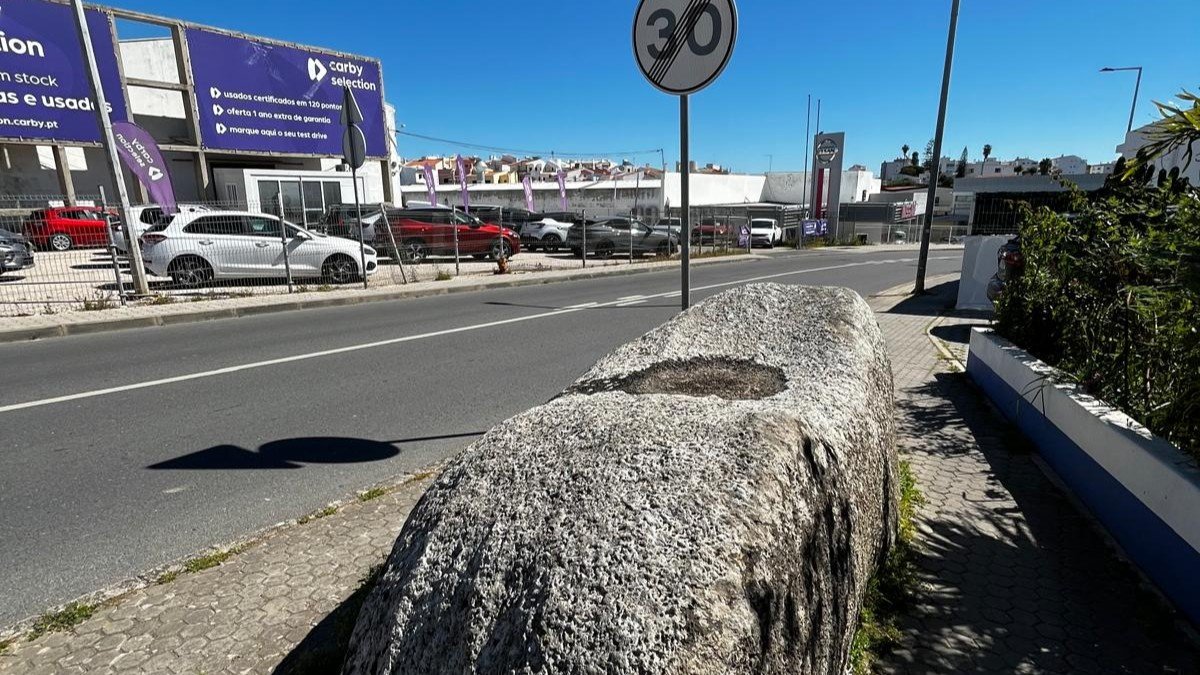
A fallen and broken stone, originally part of a menhir or standing stone. The stone is broken, and is lying beside the road as part of a stone border. It very likely was originally situated somewhere else, possibly in a field. The museum in Portimão has a display that says …
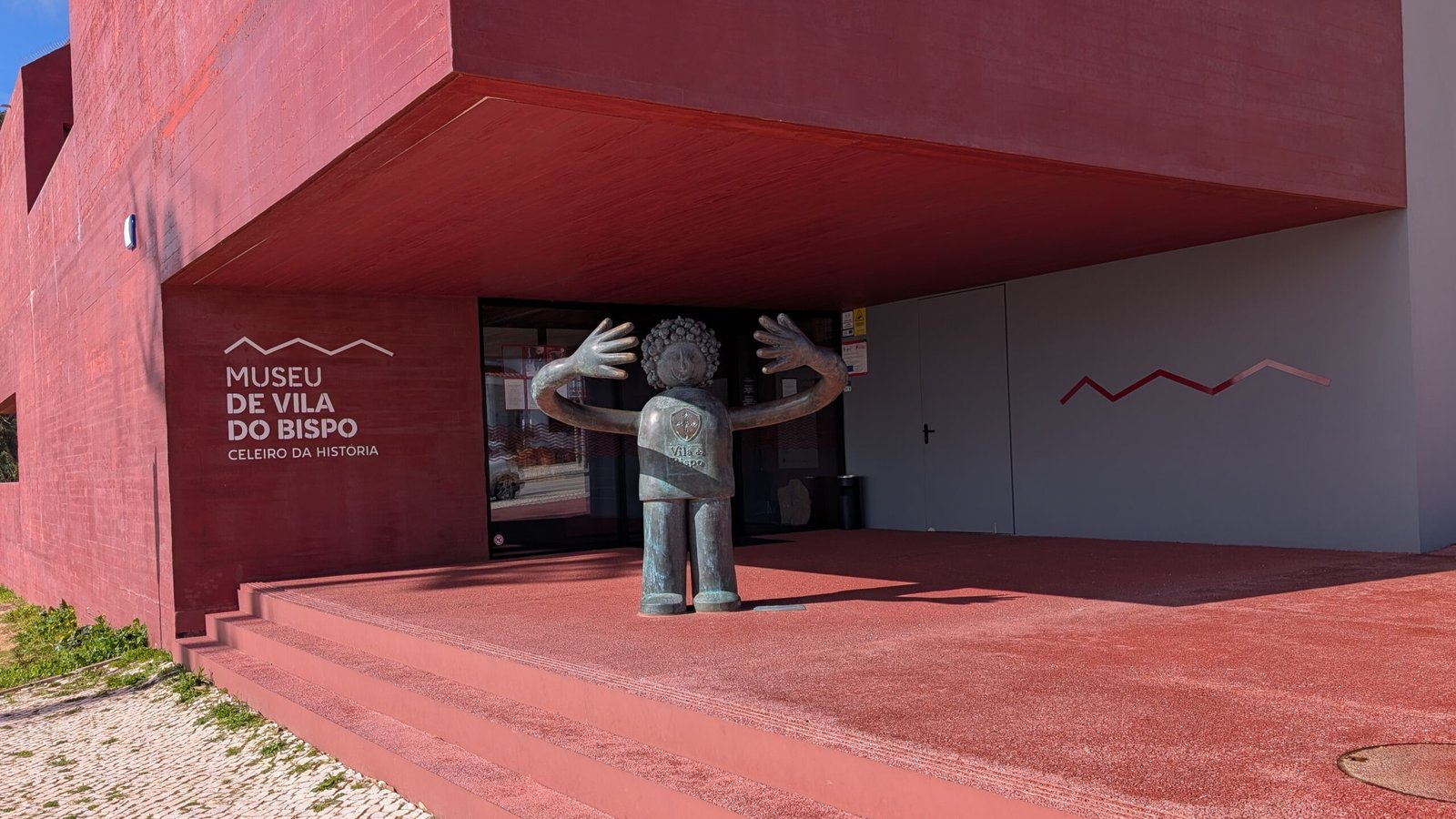
In Portuguese: Museu de Vila do Bispo, also known as: Celeiro da História (“The Granary of History”) Come into this restored granary, and walk through the history of the region. From dinosaurs to the modern day, a carefully and artistically designed space guides you through the huge spaces of the …
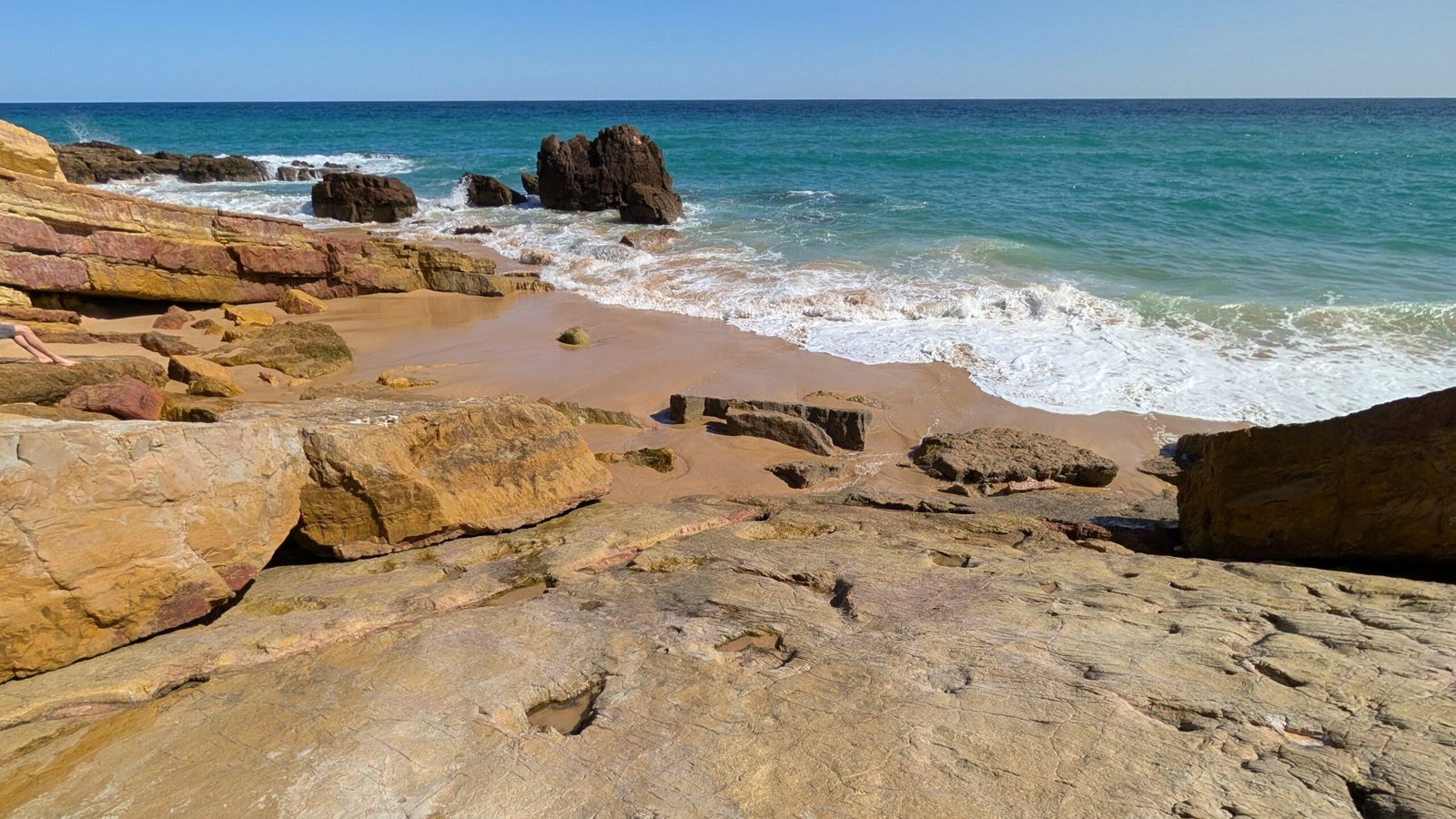
Stand on the rock ledge as the waves crash beneath you. The strange holes in the rock ledge weren’t created by an accident of geology. They are the footprints that a dinosaur made, a hundred million years ago. Careful: don’t let the yawning chasm of time make you dizzy, or …
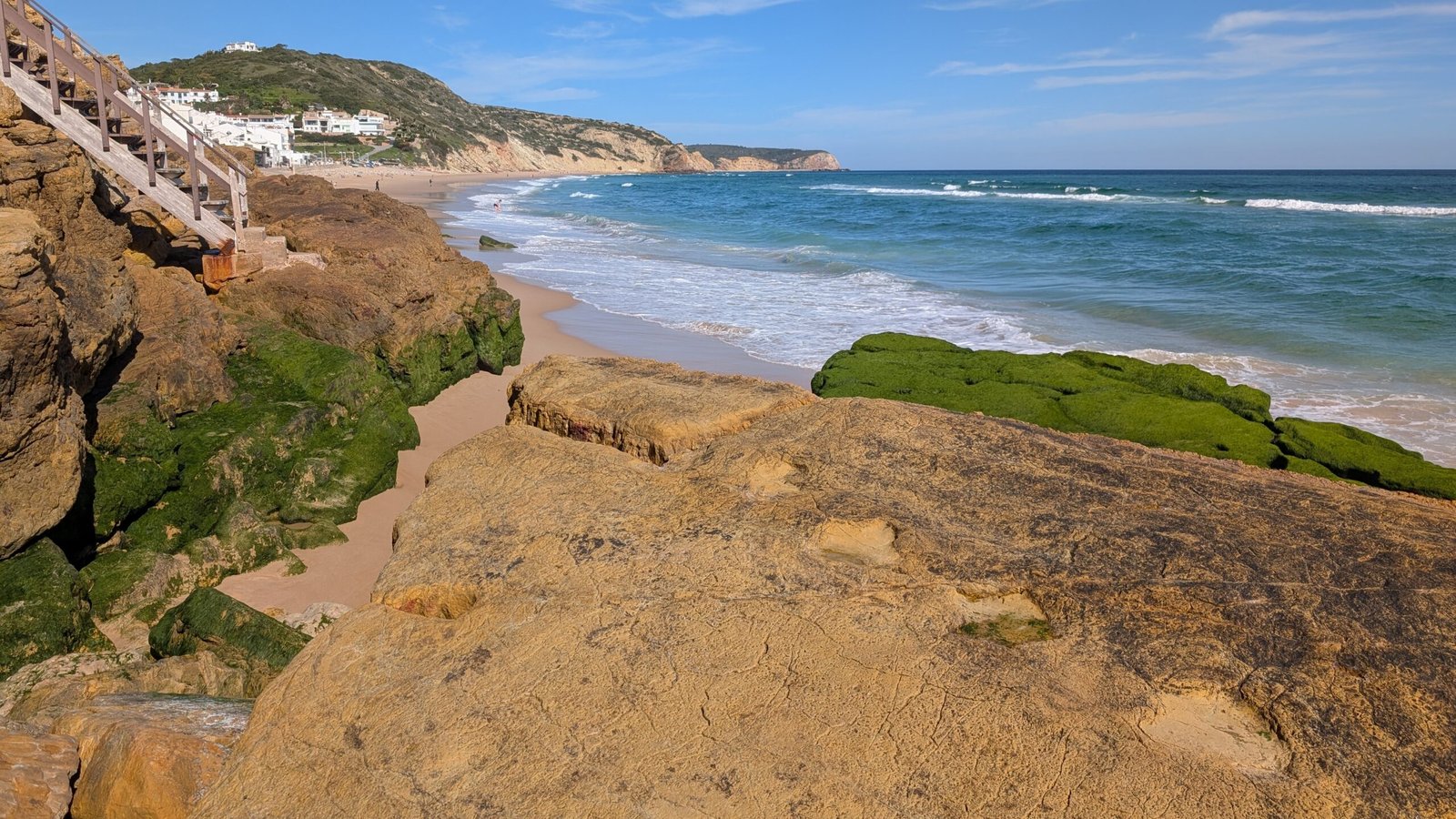
Standing on the huge rock slab, you can see most of the beach. People walking up and down, leaving footprints that get washed away by the waves. Down at your feet, marvel at the footprints that won’t get washed away. They’ve lasted millions of years, and will no doubt still …
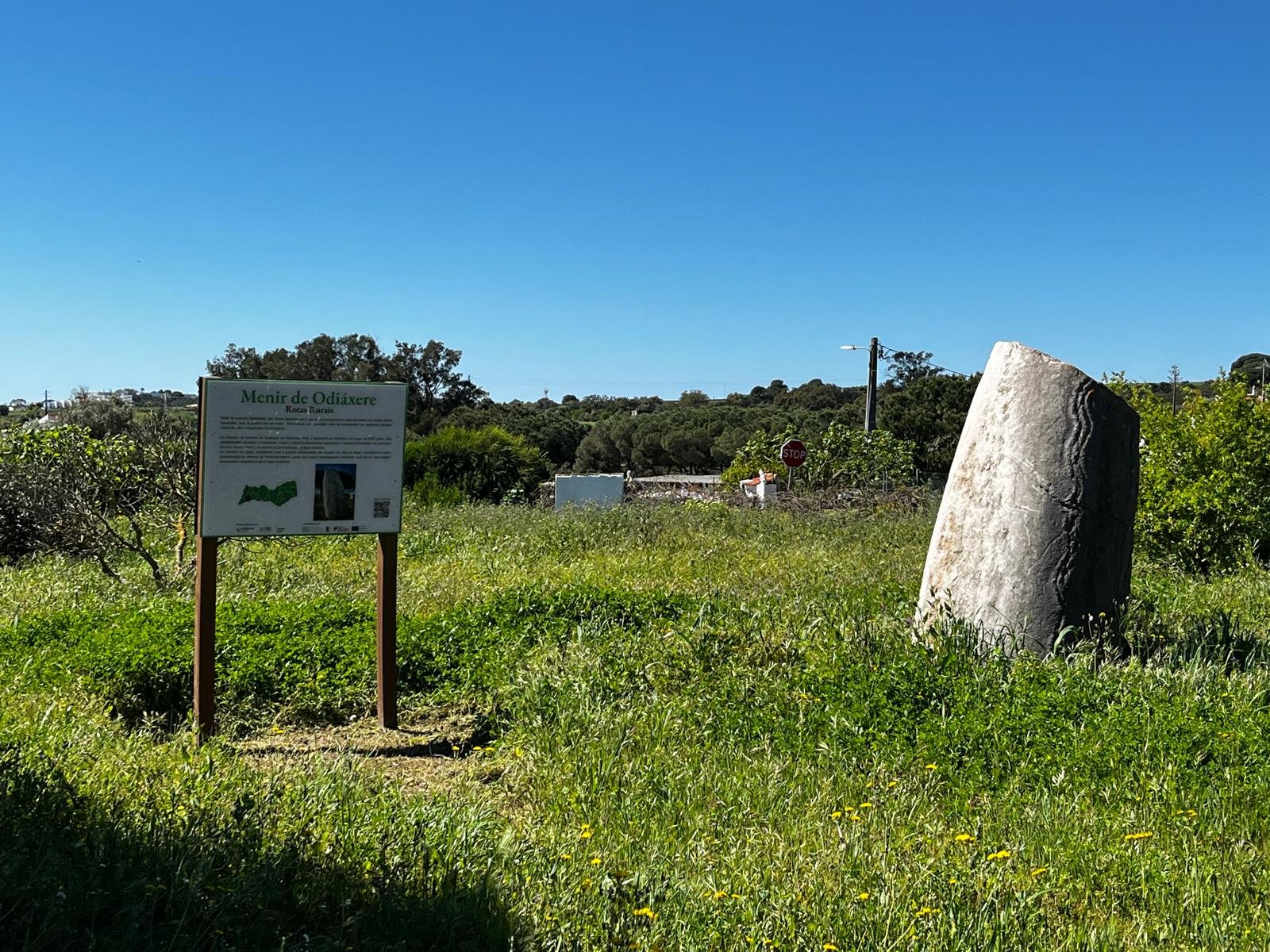
Standing alone in a private garden, this stone proudly displays ancient carvings. (photographs graciously provided by one of our readers) This is a cylindrical menir, with the top broken. It is decorated with vertical bands of carved waving lines. (Serpentiform?) The menir was re-erected on the site where it was …
This little stone stands peacefully in an urban environment. Having been moved from its original location, it now serves as an enigmatic reminder to passers-by that people had lived here and built markers like this many thousands of years ago. (photographs graciously provided by one of our readers) This was …
This rough stone is positioned in the middle of a sidewalk in an urban area of the town of Portimão. Having been moved from the distant mountains in prehistoric times, it was again moved in modern times because of construction. It now serves as an enigmatic presence in the urban …