

Walk along the road through the industrial area of Taco, in the town of Albergaria-a-Velha, and if you keep your eyes peeled you may see something intriguing. Beside a bakery factory, two empty spaces contain low mounds each with a notice board beside them. These are funerary structures that people built here around six thousand years ago.
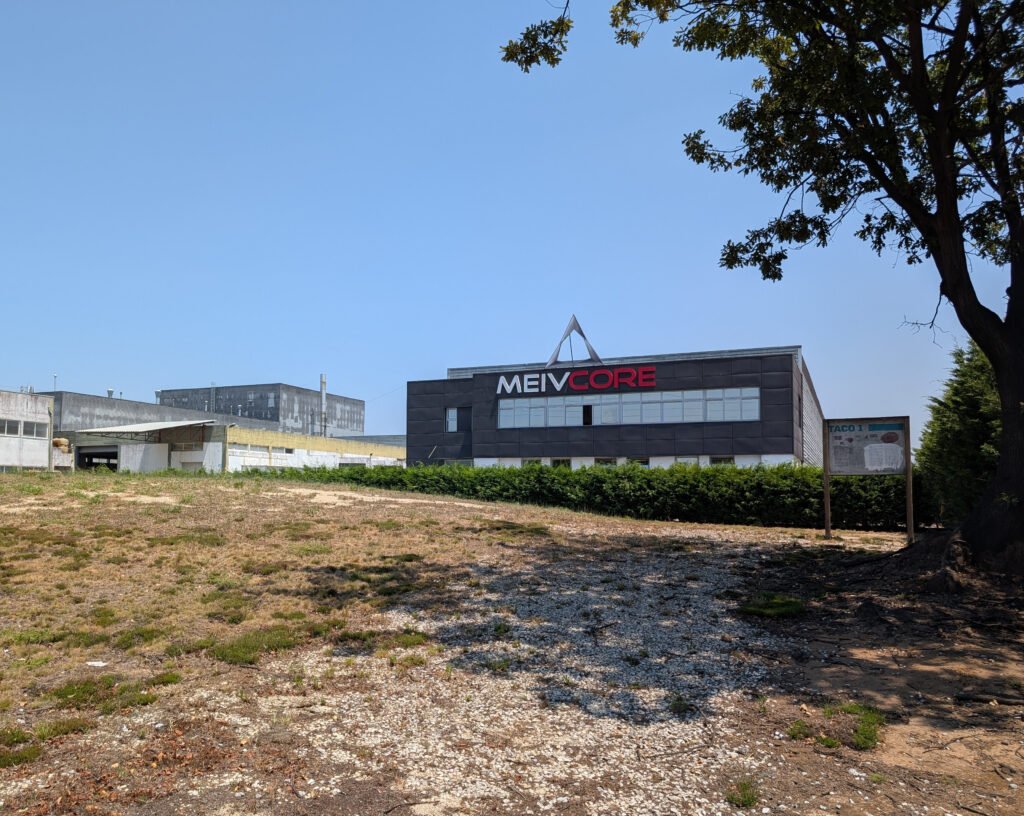
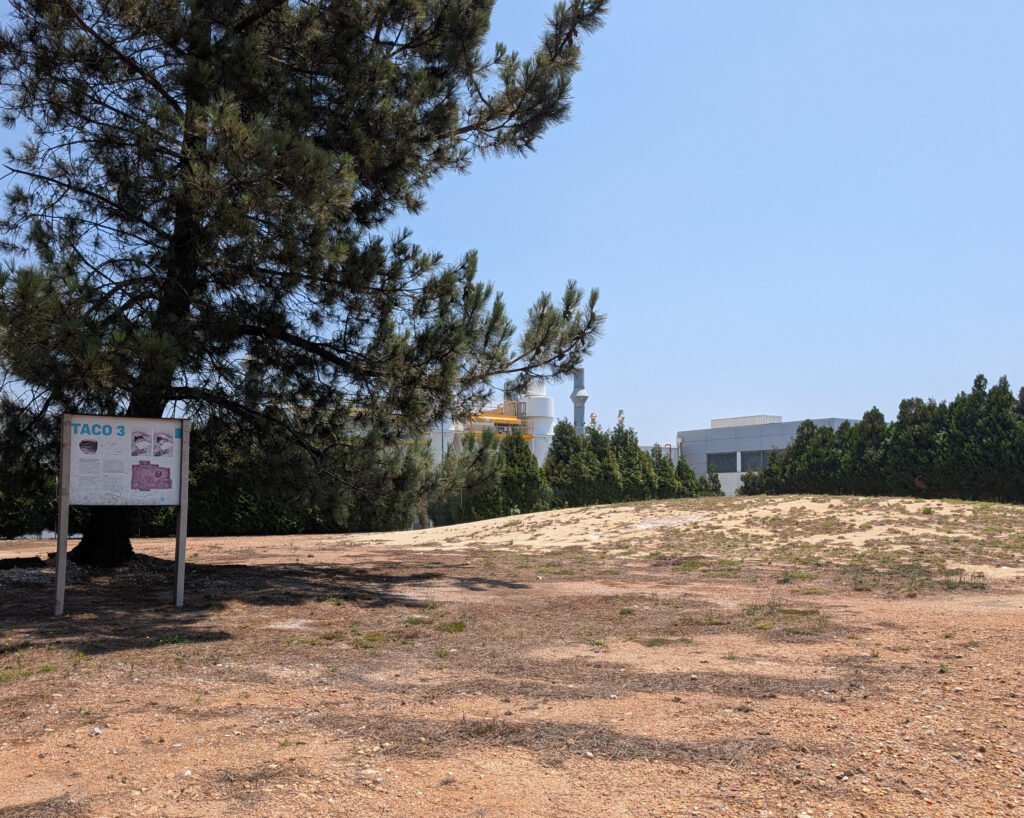
This site originally had three mamoas. “Mamoa” is the Portuguese term for a “mound” or “tumulus” covering a funerary structure, and is often used to designate a prehistoric dolmen or other necropolis which has (or had) it’s covering mound in place. This site was first identified by Leite de Vasconcelos in 1912, but was only properly excavated by Fernando Silva in the 1980s when the industrial park was being expanded.1 Further “valorization” work was done in 2014-2015, in which the two surviving mamoas (#1 and #3) were converted into an open-air museum.
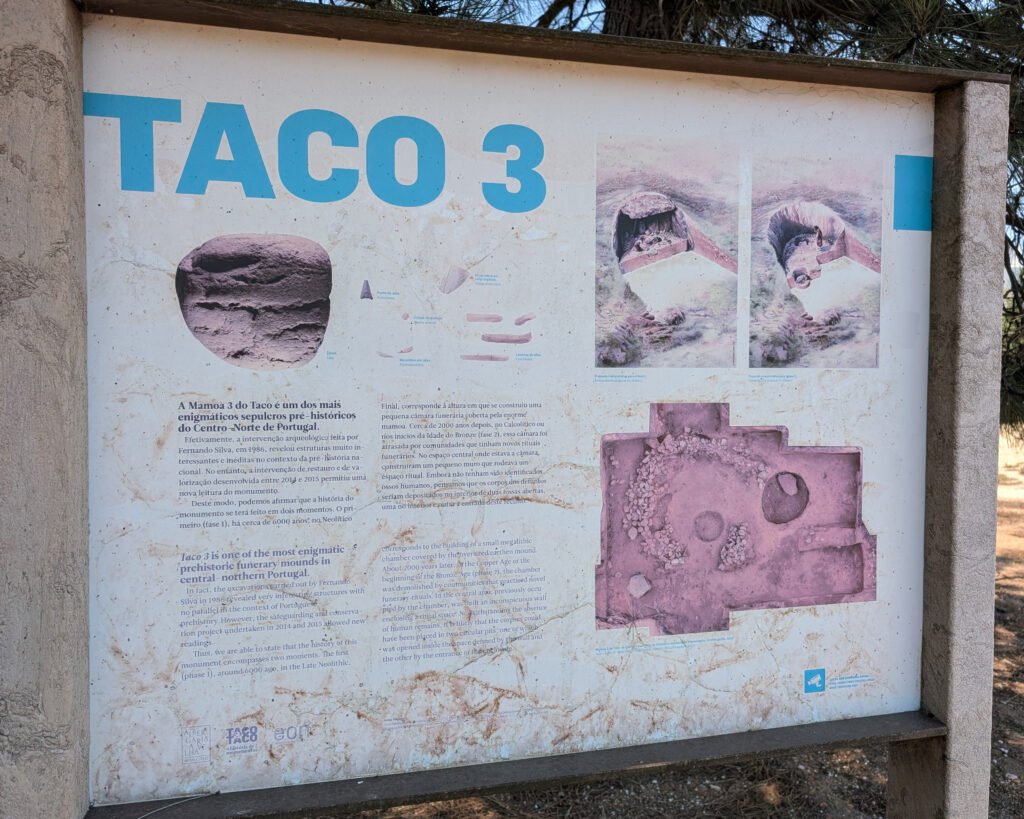
Mamoa 3 do Taco
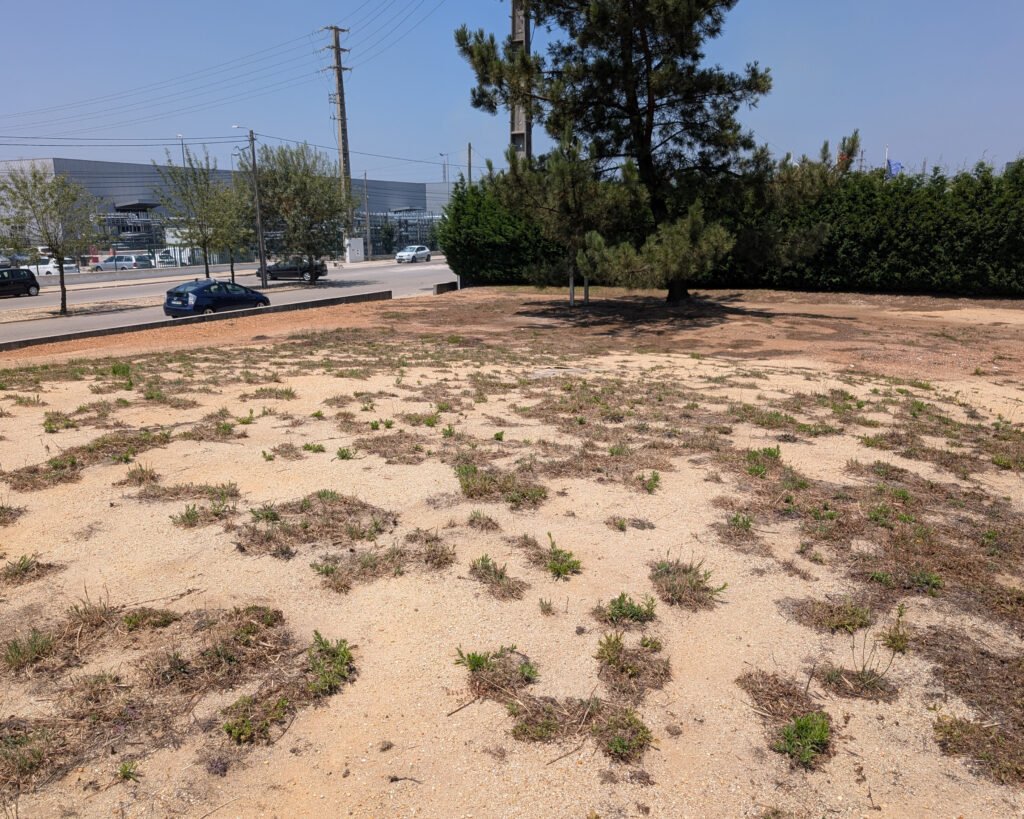
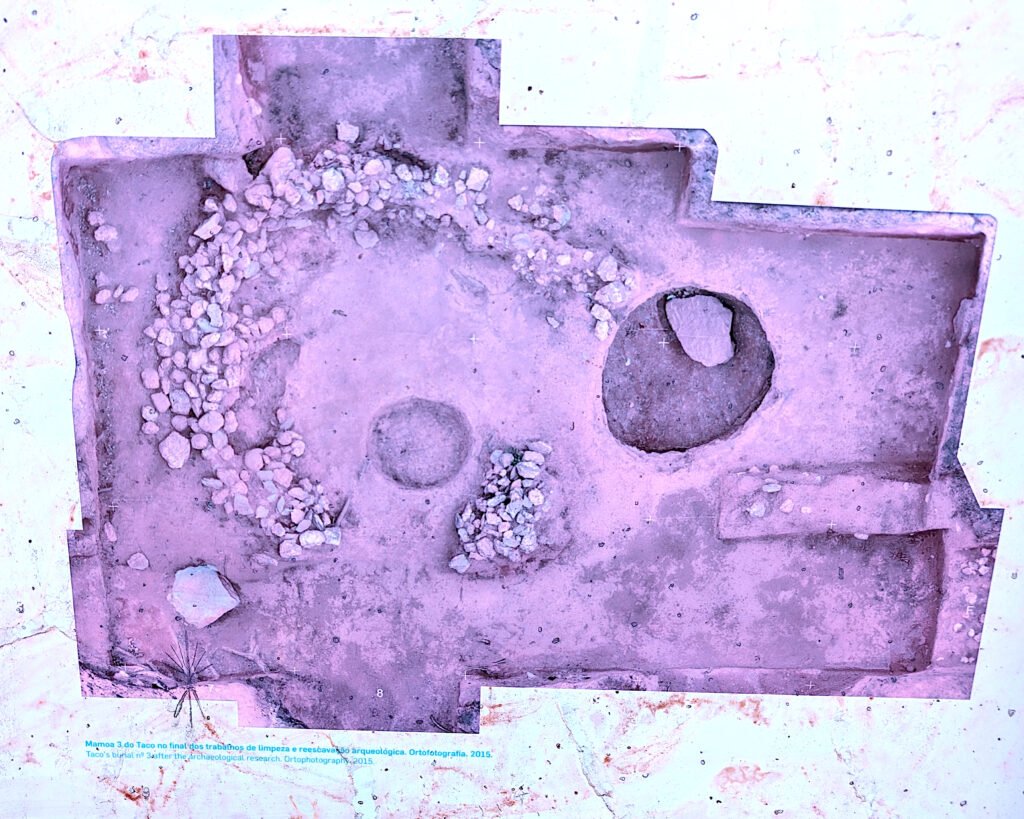
Mamoa 3 has a mound of about 31 meters in diameter. The contents showed that the mound was used in two stages. In the Late Neolithic, around 6,000 years ago, a small megalithic chamber was built. About 2,000 years later, in the Copper Age or possibly the Bronze, the chamber was demolished and a wall was built to enclose the space. Two circular pits were found which may have been used for burials. During the restoration work, it was decided to rebuild the mound completely covering the interior spaces.
Mamoa 2 do Taco
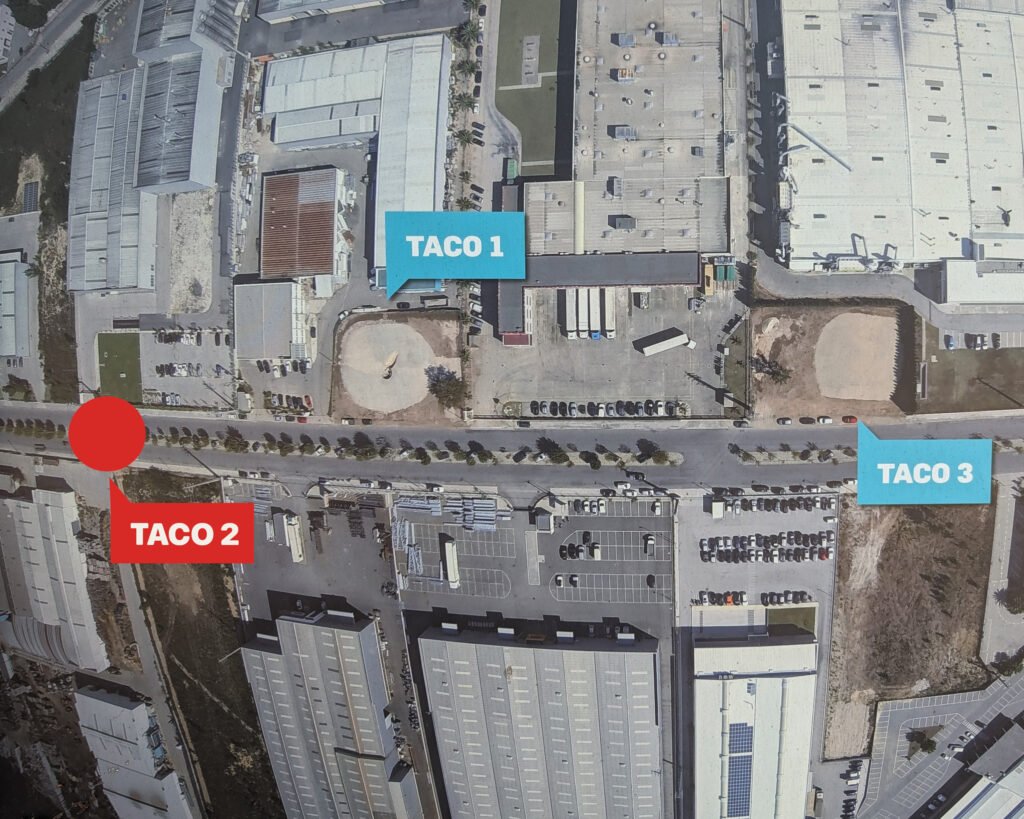
Taco 2 was destroyed in the 1980s by the construction of the road2.
Mamoa 1 do Taco
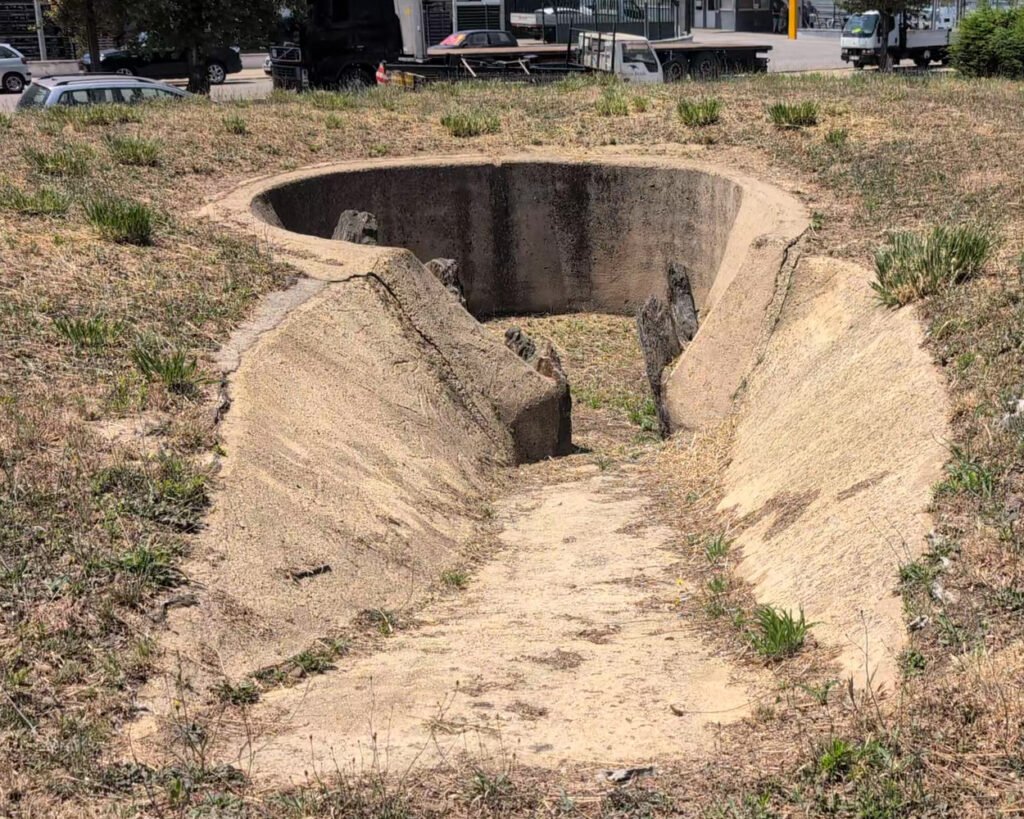
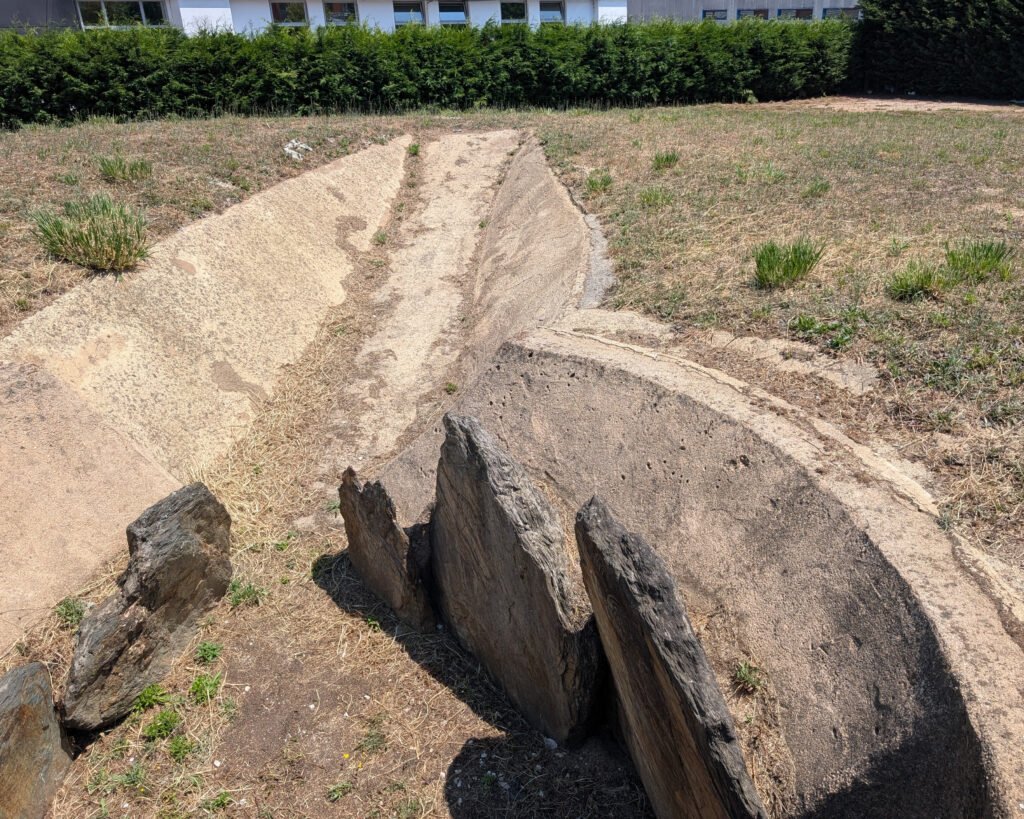
Mamoa 1 has a mound of about 34 meters in diameter, containing a dolmen dating to the Late Neolithic, about 6,000 years ago. It has a polygonal chamber opening to the southeast. There were originally nine schist orthostats (or upright slabs) forming the chamber. The schist would likely have come from about 2km away3. Five of the orthostats remain.
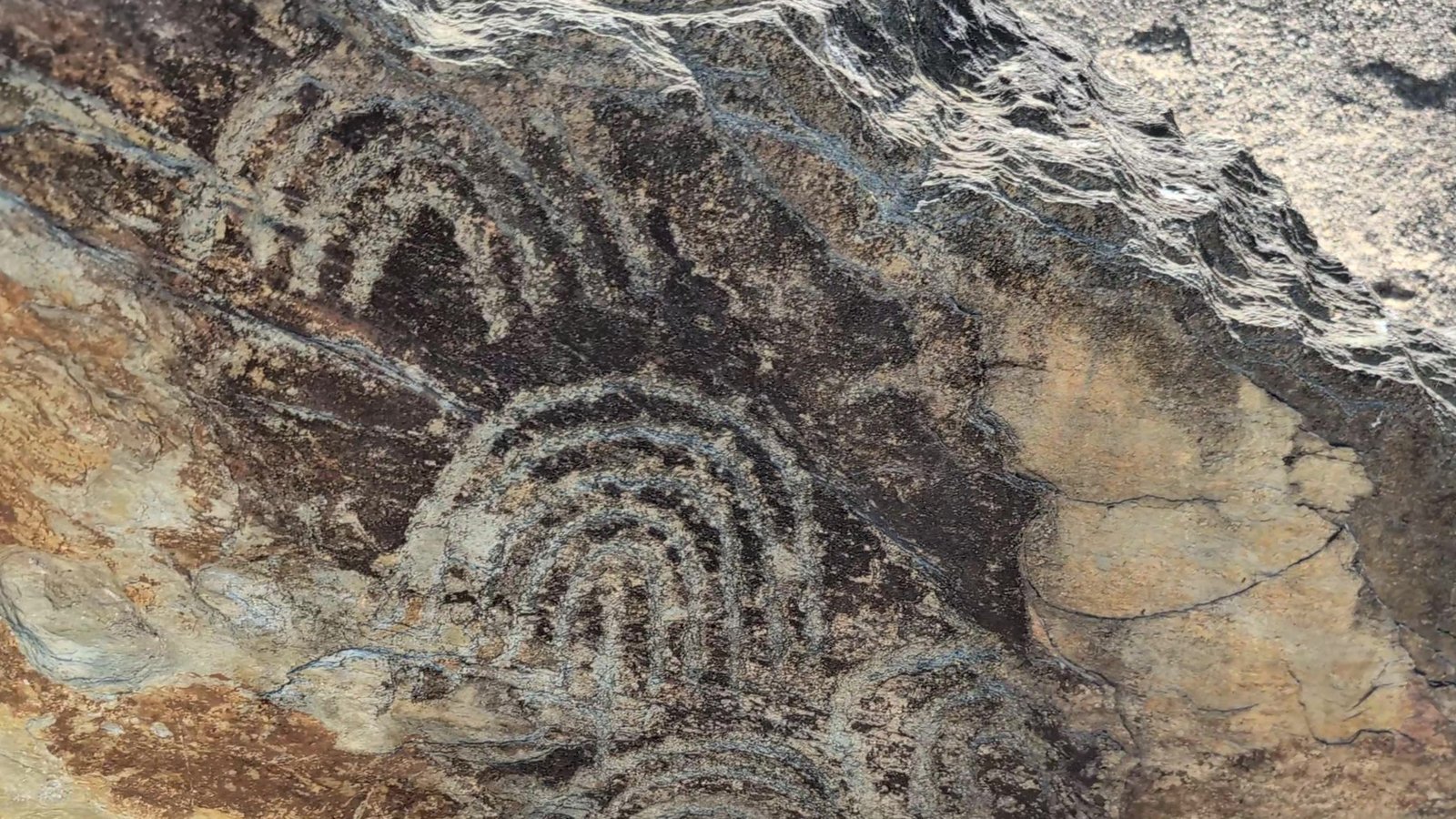
Each of the remaining orthostats have engravings on them. Originally, only orthostat 3 was noticed4, as it has the most impressive engraving – a series of concentric semi-circles or arcs. These engravings show similarities with other engravings found in Ireland and France. During the revalorization in 2014-2015, engravings were identified in all of the other orthostats.
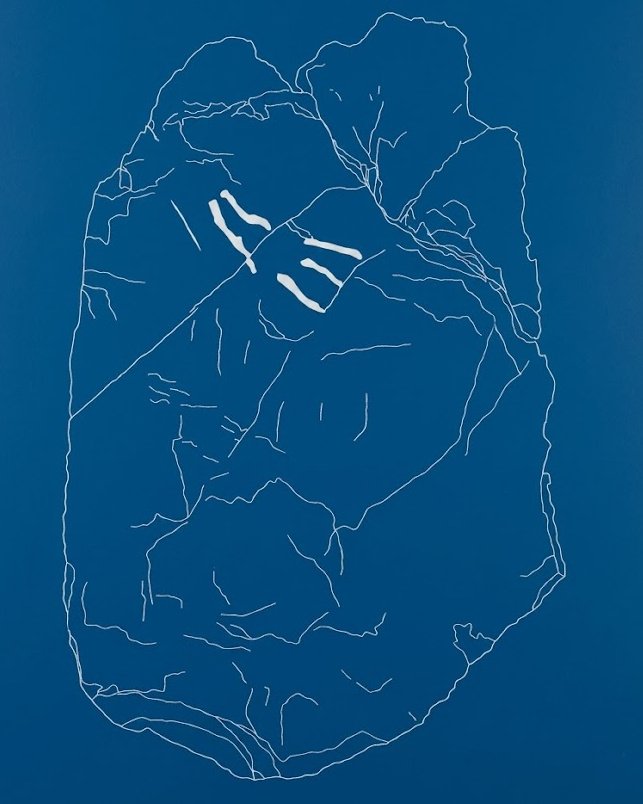
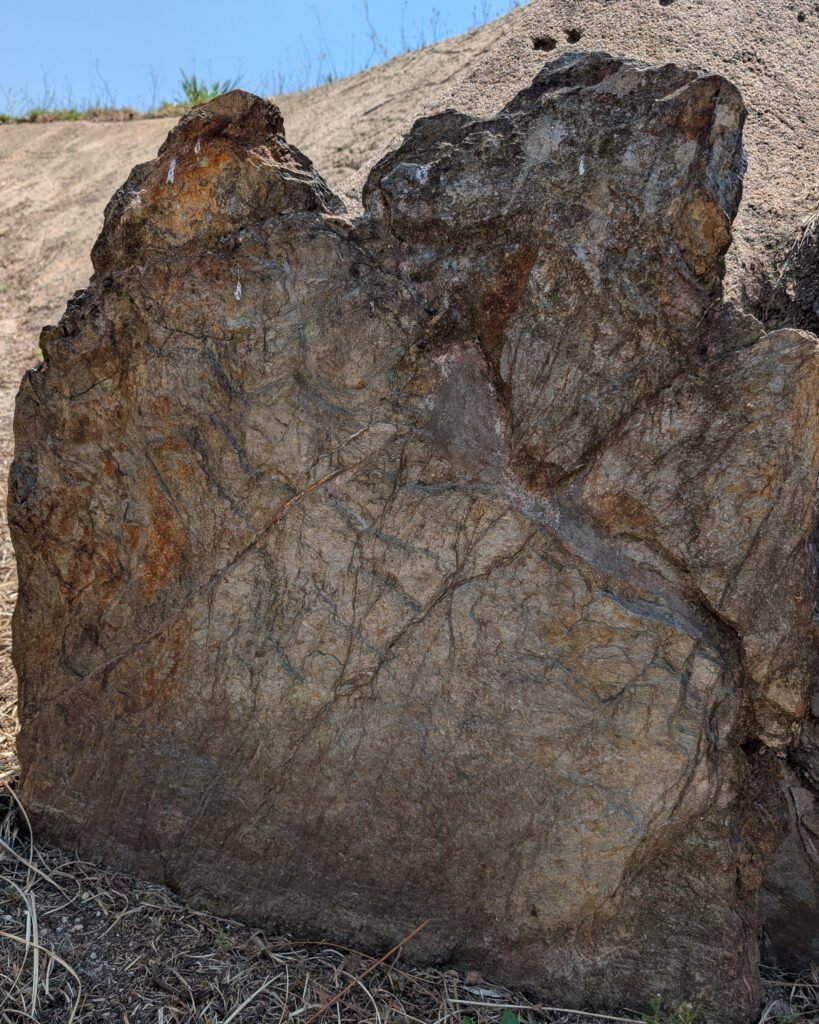
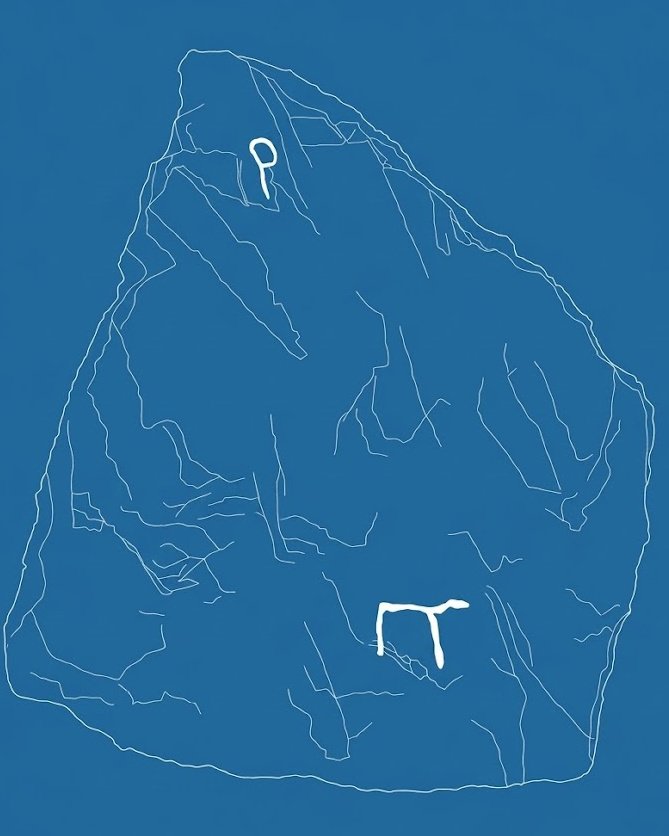
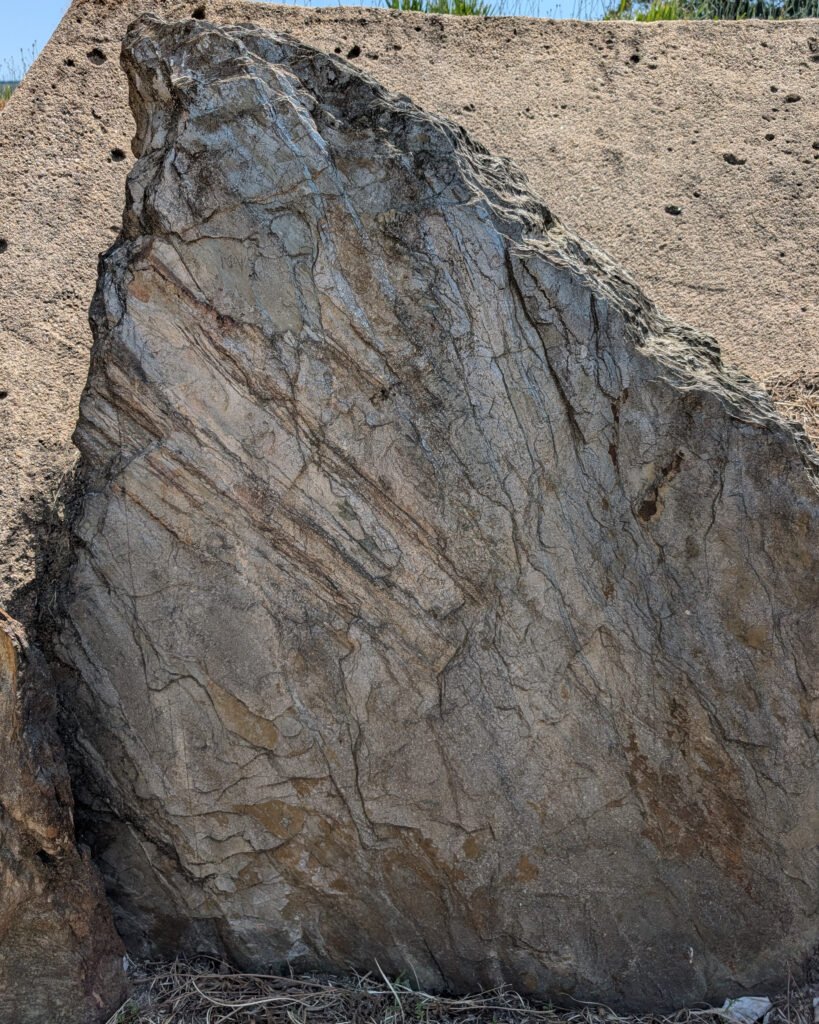
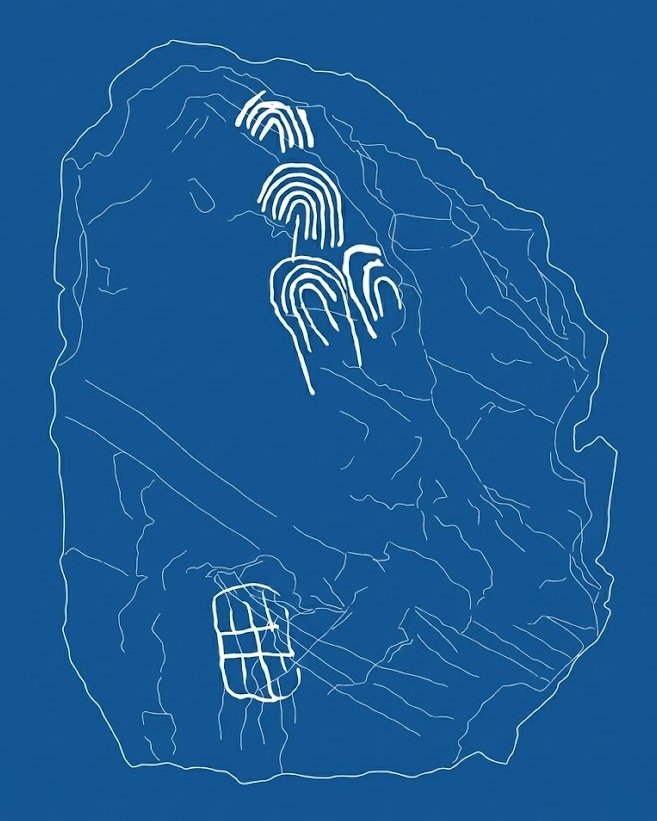
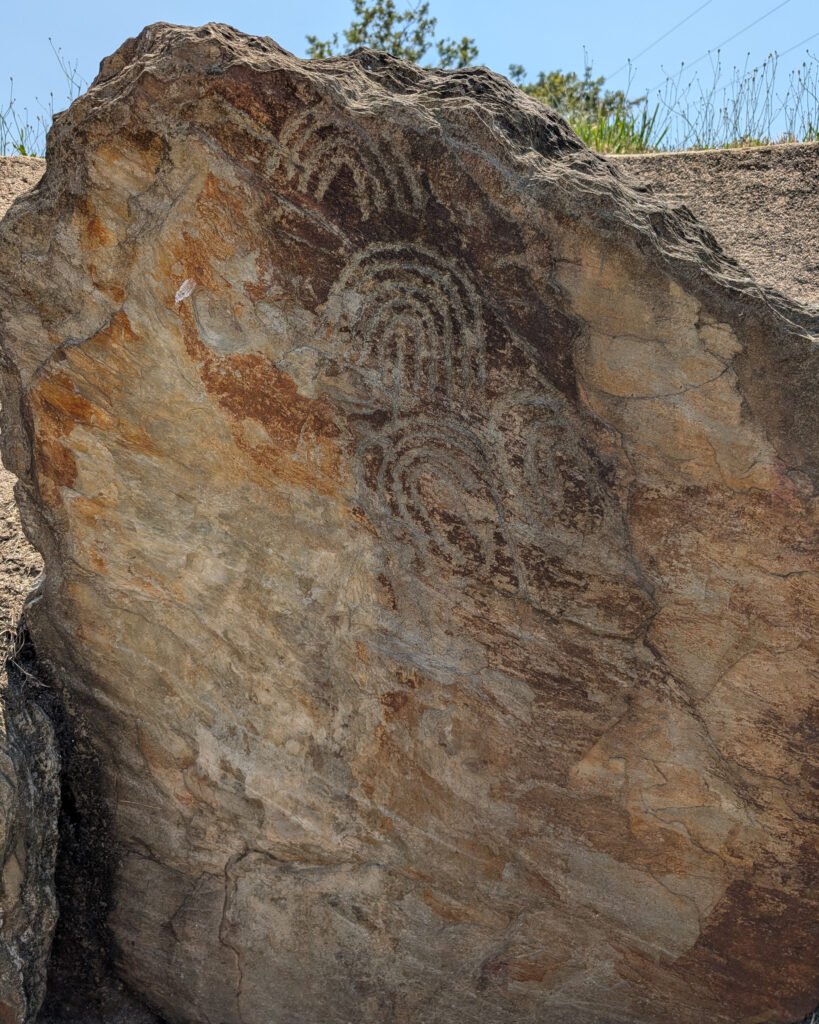
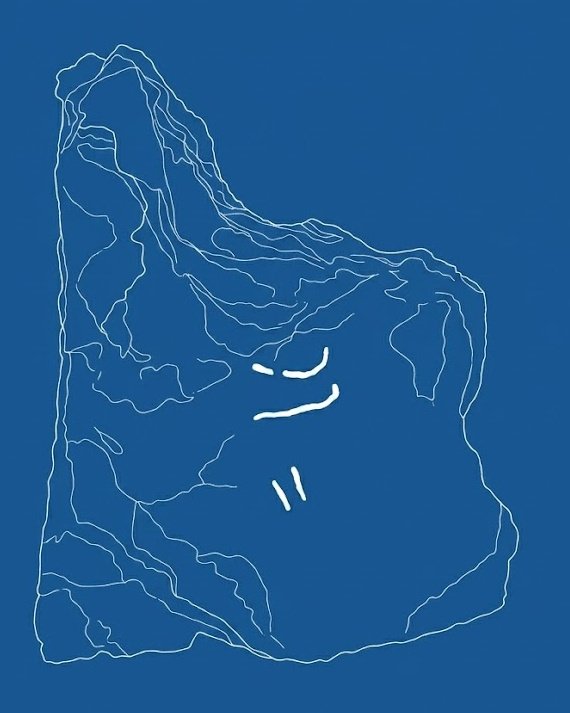
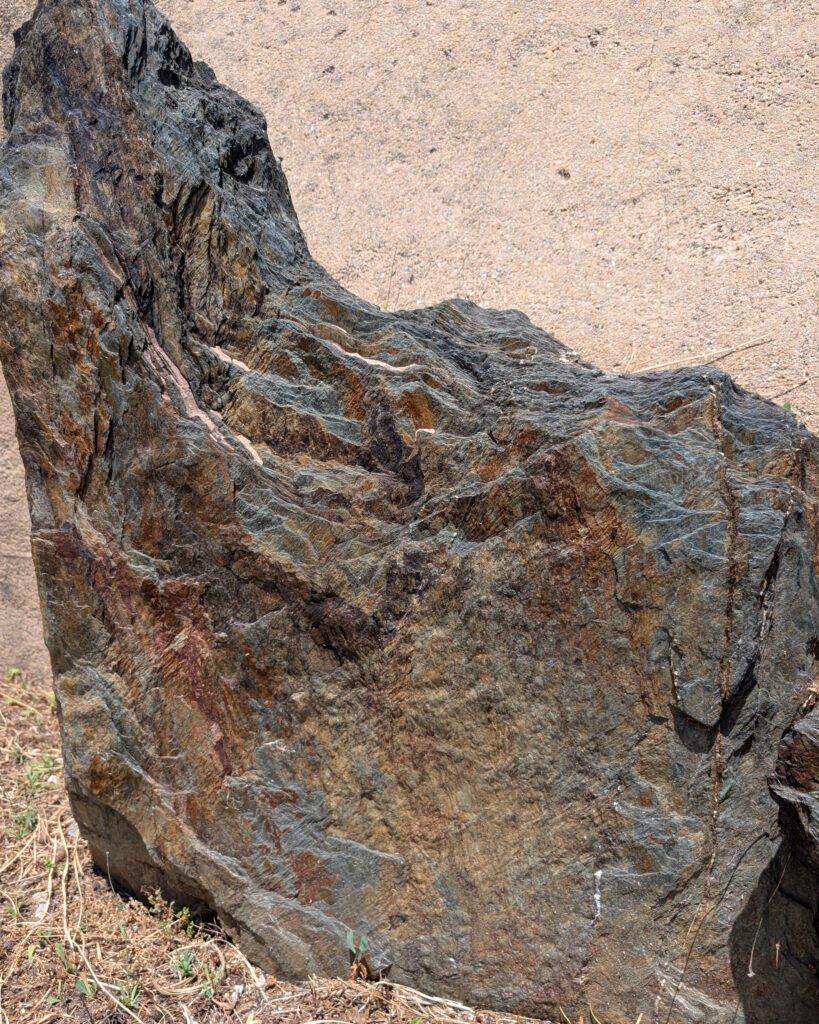
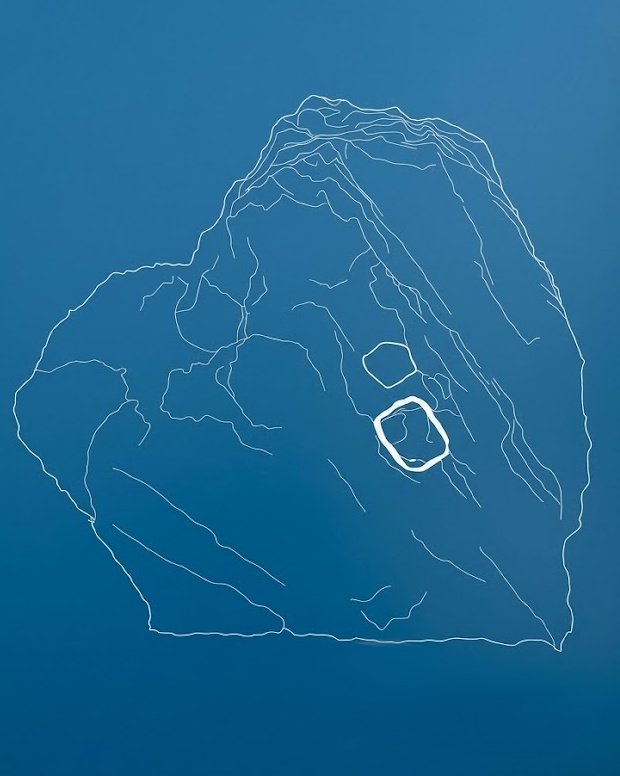
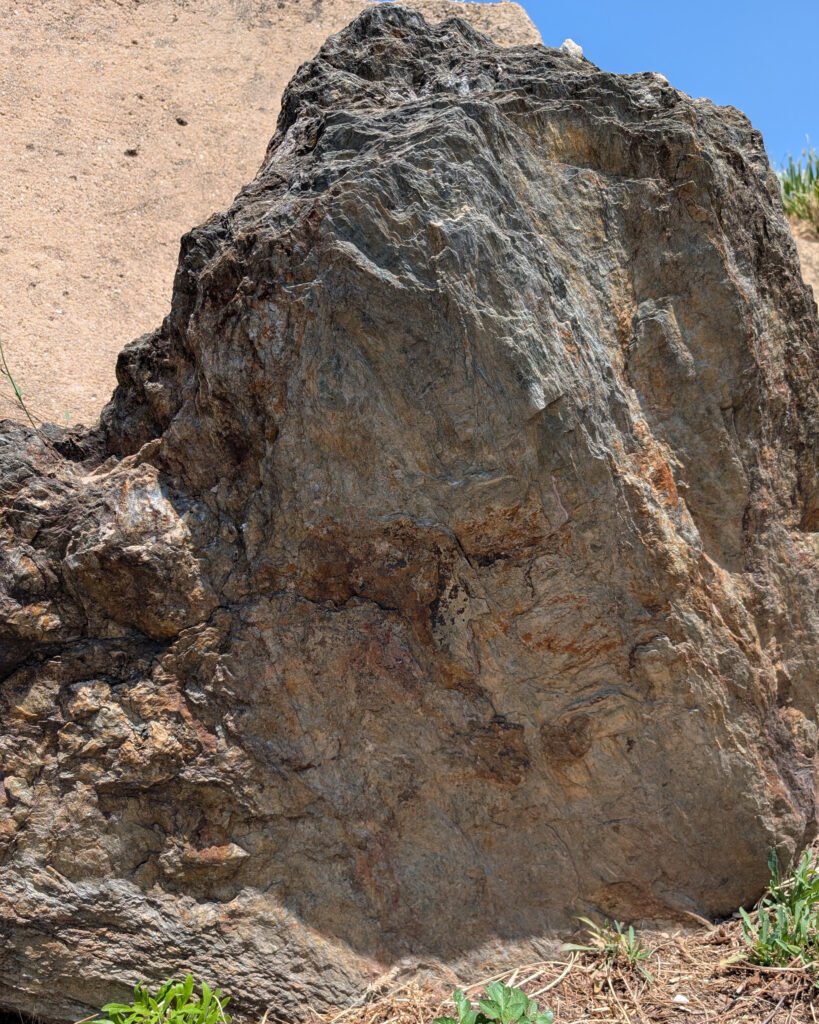
Artefacts found in the mamoa include a grinding stone with remnants of red pigment that might have been used in burial rites, or could have been used to paint some of the chamber. No evidence of paintings were found in the dolmen.
The construction of these mamoas were typical of the region (there were at least a dozen sites in the area) but unusual. The mounds were huge: over 30m in diameter covering small (~9 square meters) dolmens. They also had no stone buttresses to support the orthostats, and were likely flat (less than 2m high) and only covered with earth, not stones5.
Location
These burial mounds are in central Portugal, in the district of Aveiro, in the municipality and parish of Albergaria-a-velha. They are beside a road in the industrial section of the neighbourhood of Taco.
Coordinates for Mamoa #1: 40.706913, -8.495438, and for Mamoa #3: 40.706015, -8.495425
Access
The sites are right beside a city street. It’s easy to park beside them and walk onto their locations. Taco 1 is about 130m north of Taco 3.
Signage
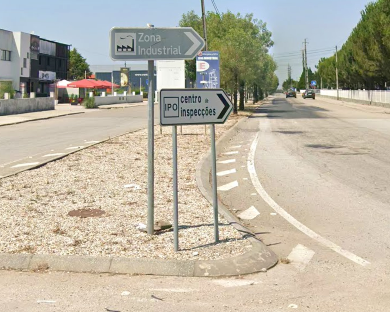
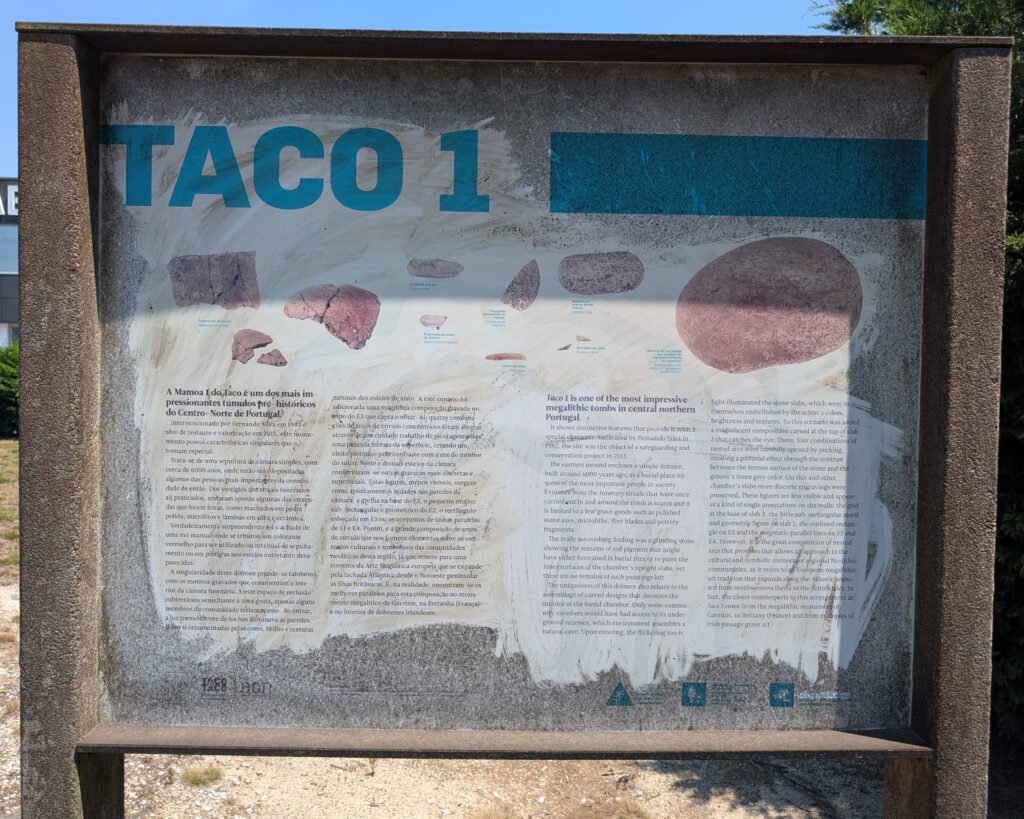
There are no signs directing you to the mamoas except for signs indicating the “Zona Industrial” of Albergaria-a-Velha. When you reach the location, you’ll see an informative sign for each site.
Links
- Article (in Portuguese) from PPortoDosMuseus.pt (2016) about the valorization of the site and establishment of an “open-air museum”
- Video (in Portuguese) from Aveiro TV (2016) about the valorization and open-air museum
- Description (in Portuguese) from “Blog de Albergaria” (2012)
- Description (in Portuguese) from the blog, “Novas Arruamentos” (2016) about the valorization
- Description (in Portuguese) from the municipality of Albergaria-a-Velha
- Description (in Portuguese) from Archaeologist’s Portal of Directorate-General of Cultural Heritage
Nearby
Very near, the Mamoa de Açores is designated a Property of Public Interest but no excavations have been done and it is unclear whether there is anything visible or visitable. The nearest visitable sites are up in the mountains in the region of Sever de Vouga.
Sources
- Alves, Lara Bacelar, and Pedro Sobral de Carvalho. “A Arte Megalítica Da Mamoa 1 Do Taco (Albergaria-a-Velha). Novos Resultados.” Actas Do II Congresso Da Associação Dos Arqueólogos Portugueses, 2017, pp. 1021–1035, https://www.academia.edu/35318547/Alves_Lara_Bacelar_Carvalho_Pedro_Sobral_de_2017_A_arte_megal%C3%ADtica_da_Mamoa_1_do_Taco_Albergaria_a_Velha_Novos_resultados_in_Actas_do_II_Congresso_da_Associa%C3%A7%C3%A3o_dos_Arque%C3%B3logos_Portugueses_Arqueologia_em_Portugal_Estado_da_Quest%C3%A3o_Lisboa_pp_1021_1035. Accessed 9 July 2026. ↩︎
- Carvalho, Pedro, and Lara Alves. “Mamoas Do Taco (Albergaria-a-Velha). Valorização E Dinamização Cultural. .” Trabalhos De Arqueologia., vol. 1, 2015. EON Indústrias Criativas, LDA., https://www.researchgate.net/publication/356844096_Mamoas_do_Taco_Albergaria-a-Velha_Valorizacao_e_Dinamizacao_Cultural_RELATORIO_FINAL_VOL_1_Trabalhos_de_arqueologia, 10.13140/RG.2.2.36638.66882. Accessed 9 July 2026. ↩︎
- Carvalho, Pedro Sobral de, and Vera Caetano. “AS MAMOAS DO TACO (ALBERGARIA-A-VELHA) Recuperação E Valorização Patrimonial.” ALBERGUE – História E Património Do Concelho De Albergaria-a-Velha, no. 3, Nov. 2016, pp. 3–37, https://www.researchgate.net/publication/357969847_As_mamoas_do_Taco_Albergaria-a-Velha_Recuperacao_e_valorizacao_patrimonial_Albergue_Historia_e_Patrimonio_do_concelho_de_Albergaria-a-Velha_n_3_2016. Accessed 9 July 2026. ↩︎
- Silva, F. A. P. da. (2021). A necrópole megalítica do Taco (Albergaria-a-Velha). Trabalhos De Antropologia E Etnologia, 32(1-4). Obtido de https://ojs.letras.up.pt/index.php/tae/article/view/10848. Accessed 11 July 2026. ↩︎
- Carvalho & Alves (2015) ↩︎