

Also known as: Cividade de Âncora, Cividade de Âncora-Afife
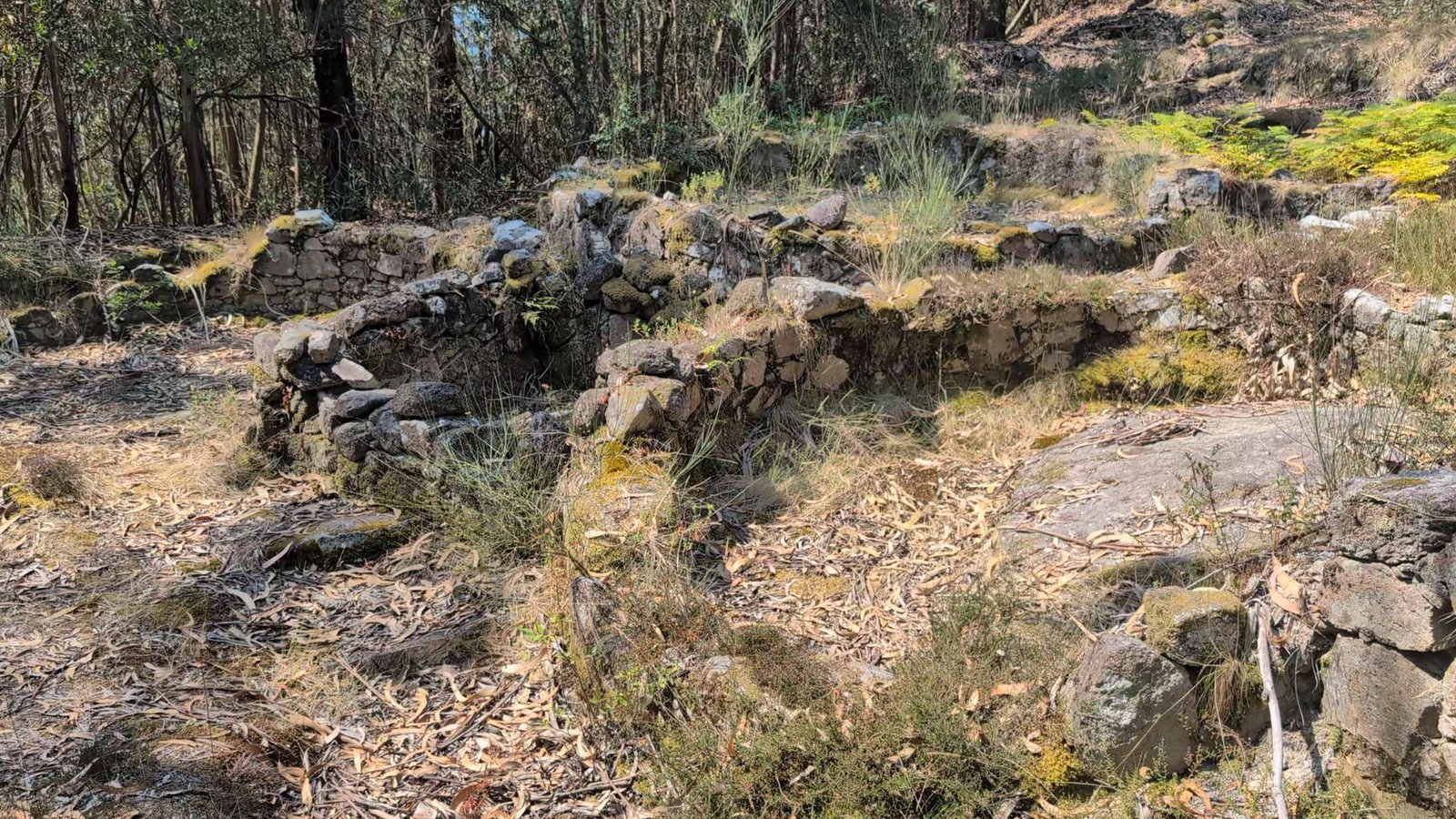
Walking around the stones, your feet crunch the dry eucalyptus leaves. It’s just possible to make out the foundations of ancient houses, roads, doorways, and more. Beyond the stones that emerge from the soil and vegetation, there are hints and traces of others beyond. This enormous settlement was abandoned for millennia …and now is abandoned for decades after being partially excavated. You’re left wondering at the extent of what remains still buried, and how long it will take for the few visible traces to be reclaimed by the forest.
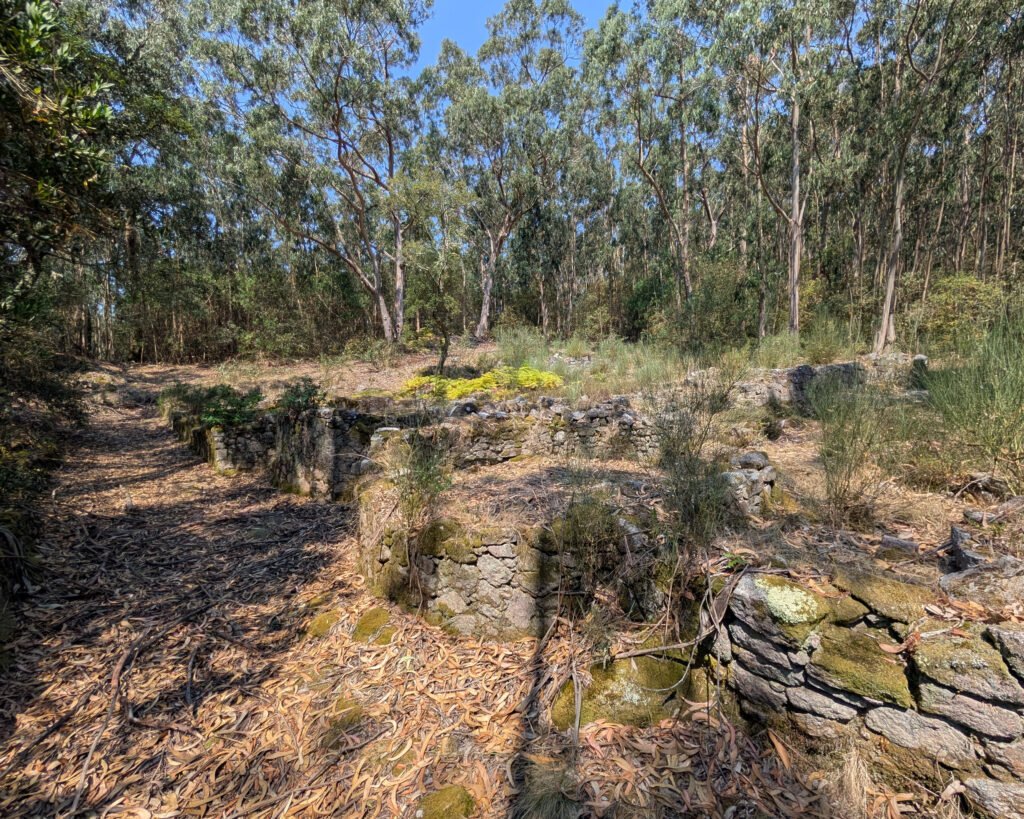
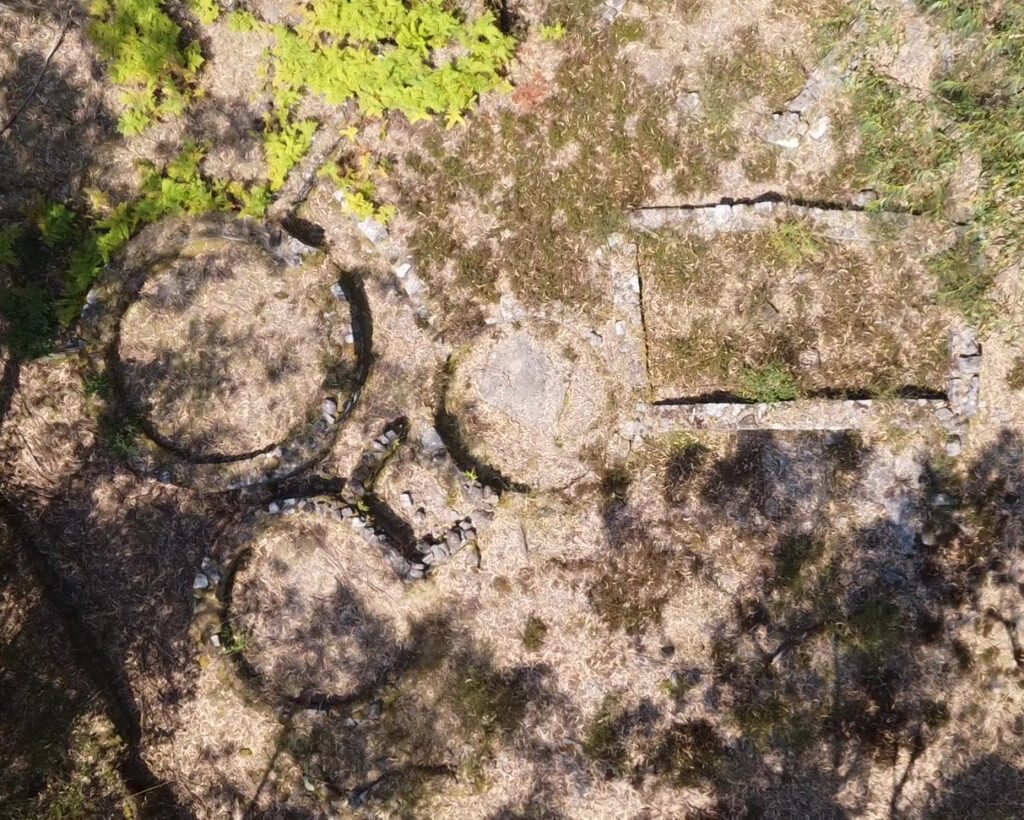
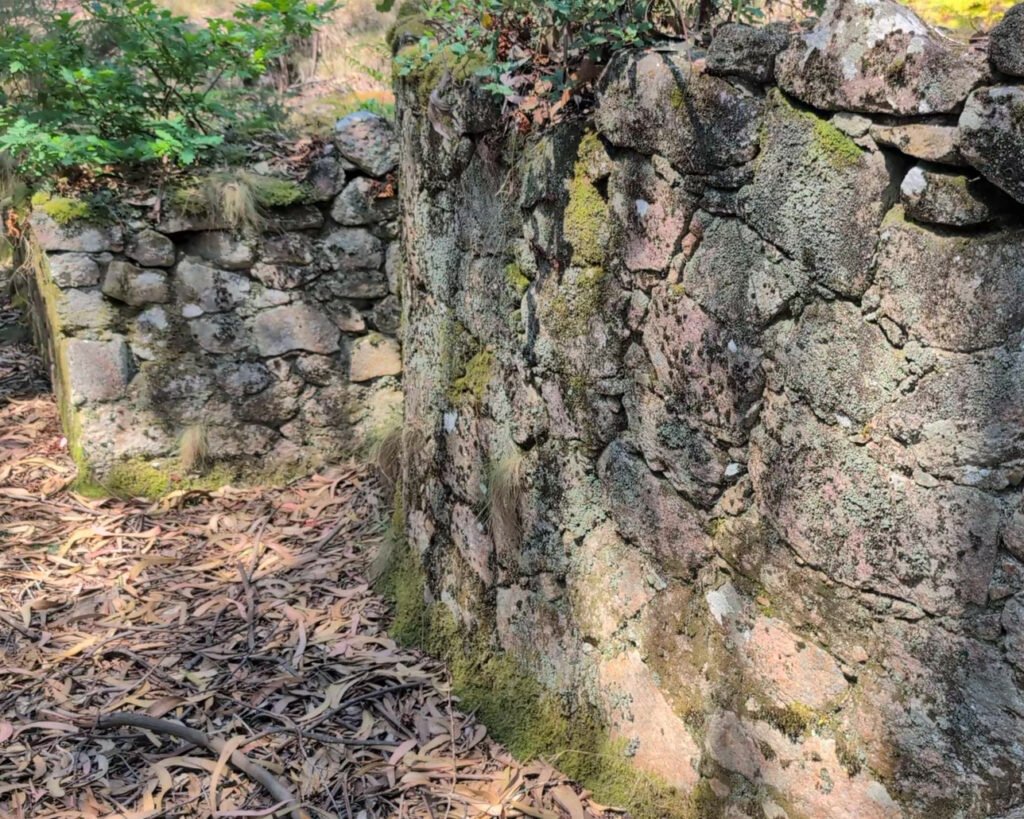
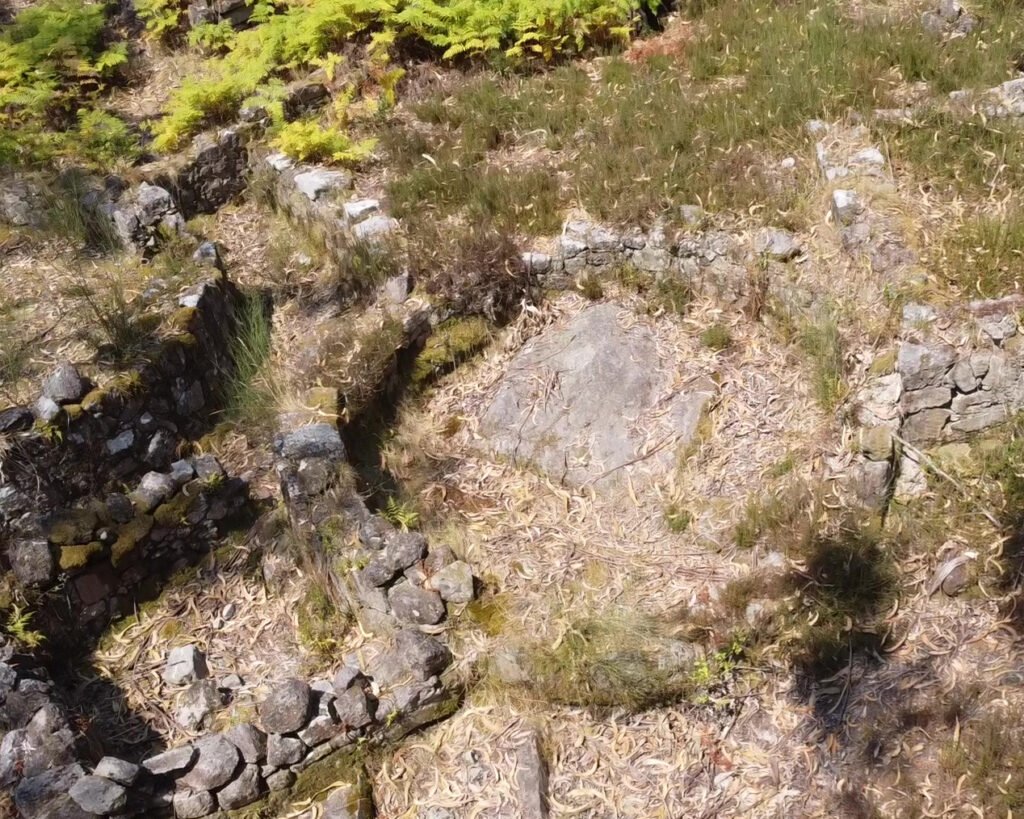
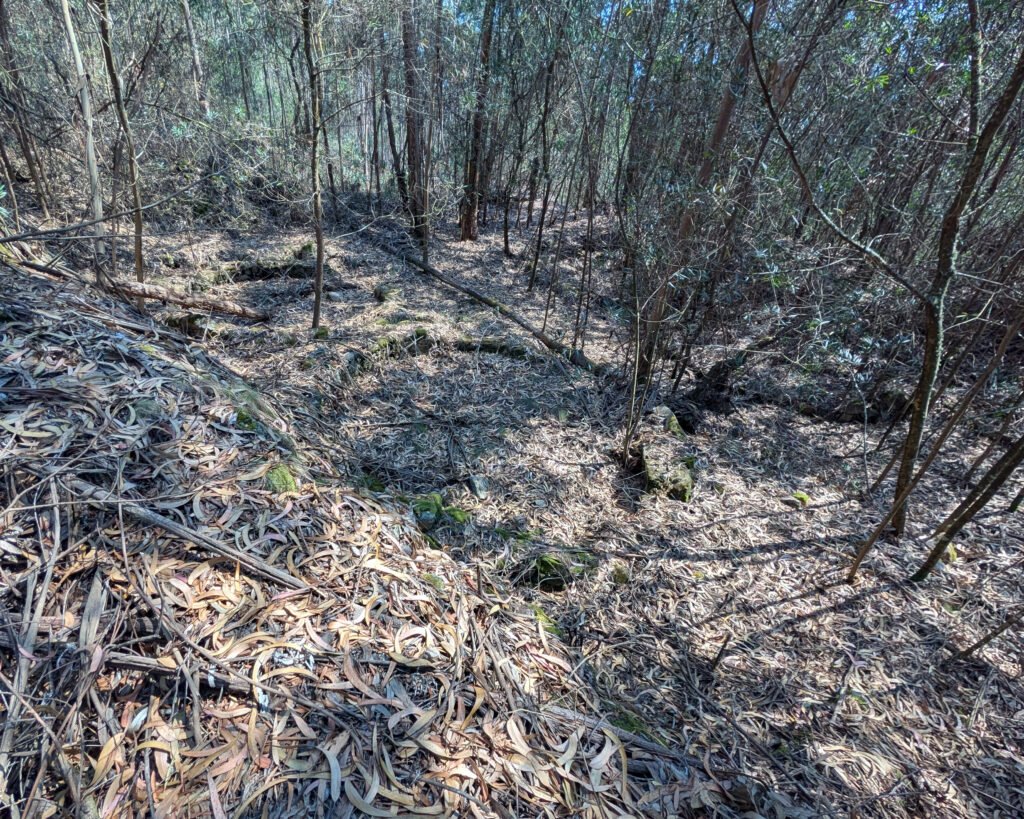
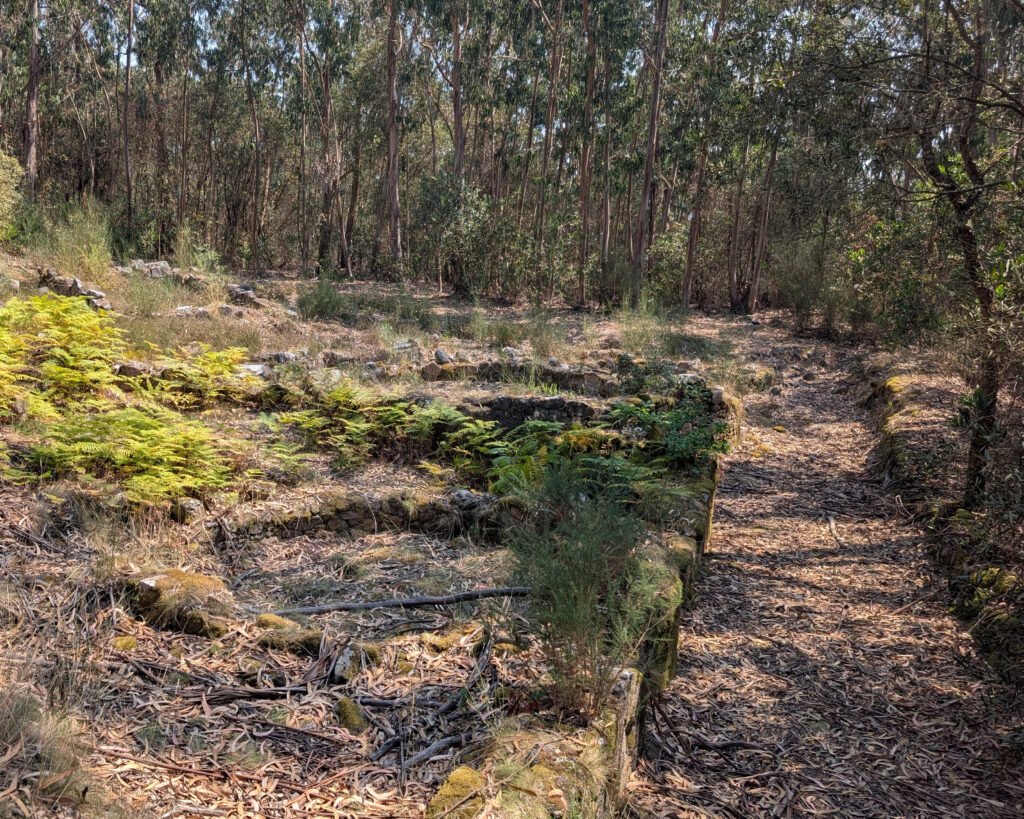
This castro, or Iron Age hillfort, dates back to the Celtic cultures living in the area before the invasion by the Romans, around 800BC. It’s an enormous site: more like an early city than a fortified village. It covers many hectares and could have supported many hundreds, if not a thousand or more, people living it. It has been partially excavated, and the foundations of several “familial units” (groups of houses sharing a central paved patio), as well as at least one clear road, can be seen. Many of the houses are typical of the time and region: circular houses, with a pair of arched “crab arm” walls enclosing an outdoor space. The roofs would have been wooden or thatched; the enclosed external space may or may not have been covered.
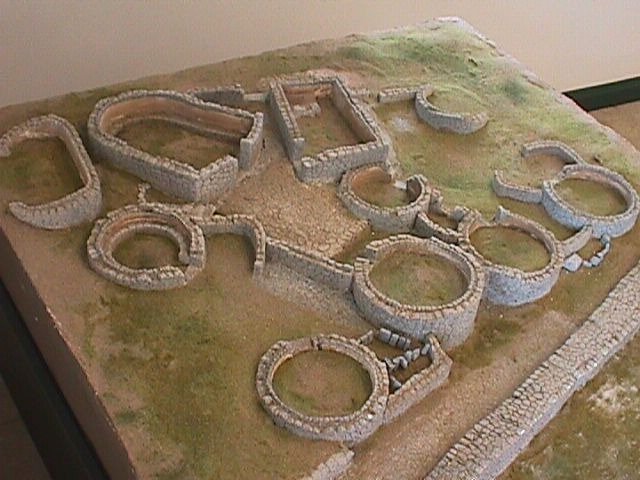
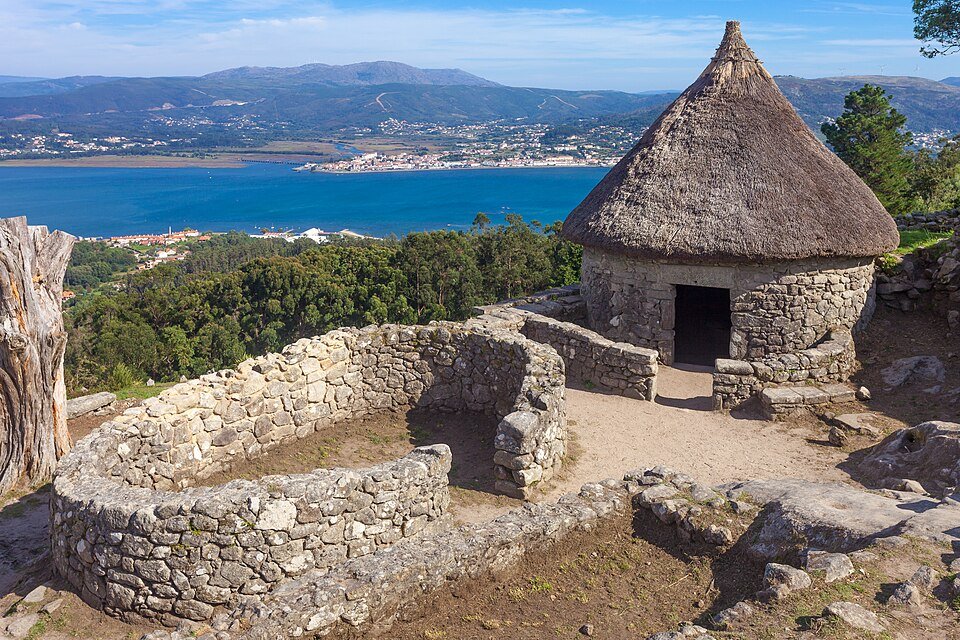
The site was originally given the name “Cividade de Âncora” as the archaeologist Francisco Martins Sarmento reached it in 1879 from the parish of Âncora. But the site is located on the mountain between Âncora and Afife, and it is actually located in the parish of Afife, so it is properly known as the “Cividade de Afife.” Many listings include both names: “Âncora/Afife” or “Afife-Âncora.”
After an initial walkthrough by Martins Sarmento, it wasn’t until the middle of the 20th century that any archaeological excavations were undertaken, first by Englishman Christopher Hawkes and then by Abel Viana in 1960-19611. Further excavations were done in the 1980s by Armando Coelho Silva2. It was decided in 2018 to declare the Cividade de Âncora/Afife as a National Monument. That is still in process (with another declaration in 2020).
A section of a house containing around eleven ceramic pots containing burnt material seems to be one of the few examples of funerary evidence within a castro. This was discovered within a familial unit, suggesting that this was the sepulchre for people within that unit3. Other discoveries include intricately engraved stone door frames, which are housed in the Martins Sarmento museum in Guimarães. More information can be found in the small museum in Afife, the municipal museum in Caminha, and the Casa dos Bichos museum in Viana do Castelo.
There are three lines of stone walls protecting the site. The first is easily seen near the excavated section, along with what seems to be an original gate a few dozen meters up the hill. The second (or middle) wall can just be distinguished beyond the excavated part.
Location
The site is in the northern Minho region of Portugal, in the municipality of Viana do Castelo. It’s located in the parish of Afife, in the hills above the town of Afife. (It’s between Afife and Âncora, hence the dual names. It actually is located within the parish of Afife.)
Coordinates: 41.785796, -8.852422 (to the base of the trail that leads up to the site)
Access
The site can be reached by a wide and well-cleared trail: the PR24. There is some climbing up to the excavated site, and walking around the site is along uneven paths and through overgrown areas.
Signage
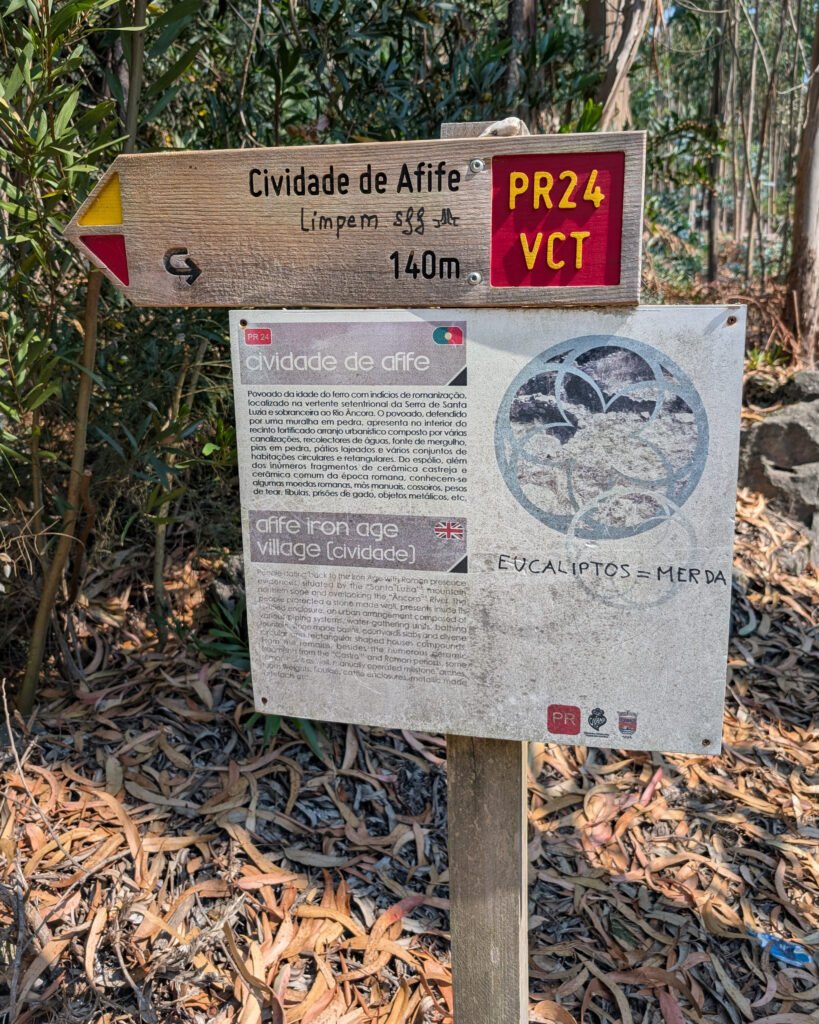
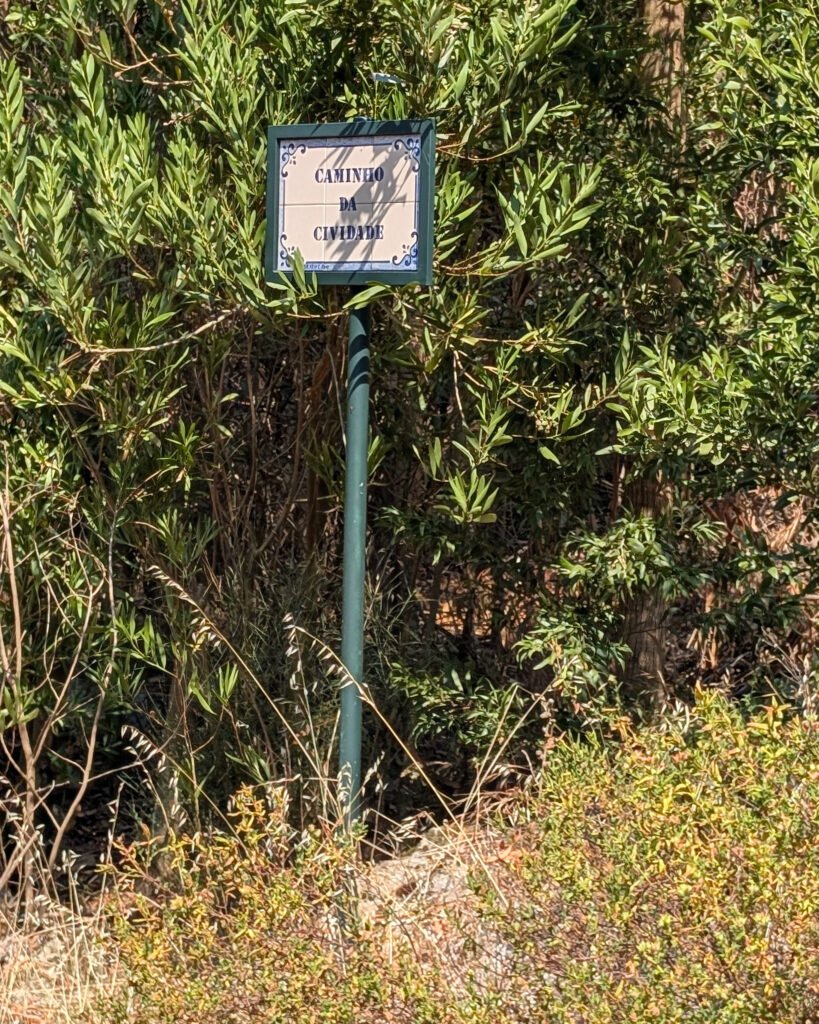
There are some signs in Afife showing the “Caminho da Cividade” but they do not connect up to the road which leads to the site. At the base of the path leading to the site (along the mountain trail that is part of the Caminho de Santiago), there is a sign as part of the PR24 trail.
Links
- Article (in English) from Wikipedia
- Description (in English) from the town hall of Viana do Castelo
- Entry (in Galician) with many photographs from the blog Megaliticia
- Blog post (in Portuguese) decrying the abandonment of the site from the Association for Protection and Conservation of the Environment in Afife
- Details (in Portuguese) of the PR24 “Trilho dos Castros” from Trilhos & Caminhados (with a downloadable PDF)
- Information (in Portuguese) of Alto Minho’s “Rota dos Castros” (with a downloadable PDF) that includes the Cividade de Afife-Âncora
- Catalogue of artefacts (in Portuguese) from the museum in Caminha
- Catalog of artefacts (in Portuguese) from the museum of Sociadade Martim Sarmento in Guimarães
- Description (in Portuguese) from Archaeologist’s Portal of Directorate-General of Cultural Heritage
- Designation (in Portuguese) as in process of classification as a National Monument by the Directorate-General of Cultural Heritage
- Detailed information (in Portuguese) in the database of the Directorate-General of Cultural Heritage
Nearby
There are many interesting sites all around the area! At the foot of the Cividade de Afife, there are rock engravings alongside the Caminho de Santiago. In Afife, there is an excellent little archaeological museum and another Iron Age castro, the Castro of Santo António. Between Afife and Âncora, there is the Neolithic/Chalcolithic Mamoa de Eireira, while in Âncora itself, there is the Neolithic Dolmén (or Anta) of Barrosa.
Sources
- Cardoso, João Luís. “Abel Viana (1896-1964): Uma Vida de Arqueólogo.” Estudos Arqueológicos de Oeiras, vol. 21, 2014, pp. 475–510, https://www.researchgate.net/publication/290946100_Abel_Viana_1896-1964_uma_vida_de_arqueologo_-_Abel_Viana_1896-1964_the_life_of_an_archaeologist. Accessed 20 Aug. 2026. ↩︎
- SILVA, Armando Coelho Ferreira da (1986). A Cultura Castreja no Noroeste de Portugal. Paços de Ferreira: Museu Arqueológico da Citânia de Sanfins e Câmara Municipal de Paços de Ferreira. https://ojs.letras.up.pt/index.php/Port/article/view/5000 Accessed 17 August, 2026. ↩︎
- Bettencourt, A.M.S. (2000). “O mundo funerário da Idade do Ferro do Norte de Portugal: algumas questões”, in V.O. Jorge, L. Berrocal-Rangel, A.M.S. Bettencourt, V.H. Correia, M.D. Fernández-Posse; F.J. Sánchez-Palencia (Eds.), Proto-história da Península Ibérica. Actas do IIIº Congresso de Arqueologia Peninsular. Porto: ADECAP, 43-60. http://hdl.handle.net/1822/45803 Accessed 5 August, 2026. ↩︎
Thank you.
Very interesting!
We came to Afife in 1975, and soon heard about the cividade. Till we left the area in 2025,
we have brought visitors up the hill, and as you, all are amazed og its gradeur. But also that all this is left alone.
Of course competition is hard with Mte Tegra (Tecla) and Mte Sta (Luzia, both well excavated and documented.
Âncora and Afife also have their Dolmens, which are easily accessible and very impressing