Megaliths

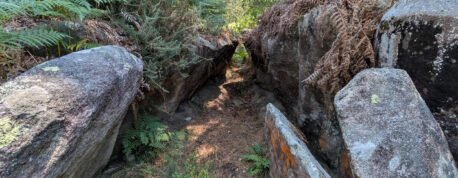
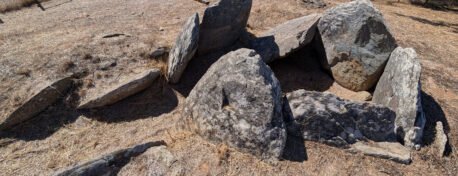
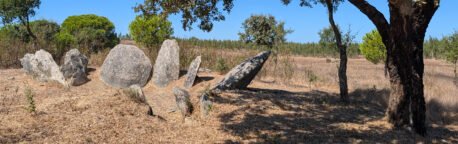
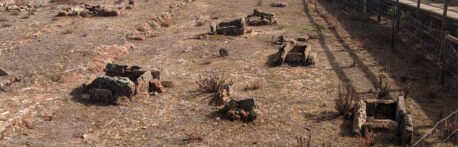
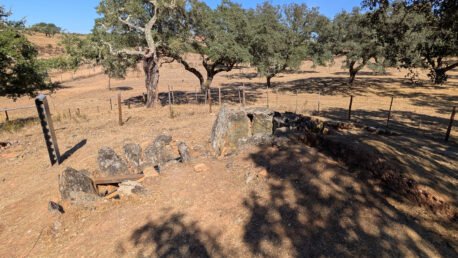
The main human relics from prehistoric times are megalithic constructions. (Megalith means “large stones”)

Portugal has hundreds, if not thousands, of megalithic sites. These are broken down into the following categories:

  • Tombs
  • Standing Stones
  • Alignments or circles

Many of these sites are visitable, but some are on private land. As archaeologists excavate these sites, any artefacts of human creation are kept in museums or universities.

Use the map at the right to search among the various megalithic sites (highlighted map markers indicate megaliths that are described on this website), or browse through the entries below. More posts are added as sites get visited.

  • Pedra Escorregadia

    Pedra Escorregadia

    Also known as: Menires da Pedra Escorregadia, Sepultura Pedra Escorregadia, Sepultura Colectiva Bispo, Necrópole da Pedra Escorregadia Stand on the hilltop, and listen to the cars racing past on the road below. On this hill, the stones have stood still for many thousands of years. Looking around the view, you can see to the ocean…

    Read more…

  • Cromeleques de Amantes

    Cromeleques de Amantes

    Two groups: Cromeleque de Amantes 1, Cromeleque de Amantes 2 (also known as Menires de Amantes 2) Walking around the field, several large stones stand out. They’re toppled over and broken, but their smoothed cylindrical shape belies their origins: these are shaped stones, made into menires (Portuguese spelling), or standing stones, thousands of years ago.…

    Read more…

  • Menires do Padrão

    Menires do Padrão

    Standing sentinel above the fields around Sagres and Vila do Bispo, the conical menir (the common English term is “menhir“) seems the solitary example of prehistoric megalithic construction in the area. But look more closely in the area, and you will find remnants of its original neighbours. Look around again and imagine the area dotted…

    Read more…

  • Menires de Milrei

    Menires de Milrei

    Broken stones lie scattered in the fields above Sagres and the Cabo de São Vicente. If you look closely at them, you’ll see that they are shaped into smooth obelisks. Were these territorial markers in ancient times? Did prehistoric people use them for ritual purposes? We don’t really know. Today, they are merely stones lying…

    Read more…

  • Anta Grande da Comenda da Igreja

    Anta Grande da Comenda da Igreja

    Also known as: Anta Grande da Herdade da Comenda Walk across the cattle field and enter the gate. Looming above you is an impressive stone structure. Walk close and peer through the gap in the stones. The structure is even more impressive, with almost half its height buried under ground. This amazing stone tomb has…

    Read more…

  • Conjunto Megalítico do Monte de Têra

    Conjunto Megalítico do Monte de Têra

    Also known as: Alinhamento da Têra, Alinhamento do Monte de Têra Standing tall with flocks of sheep to keep them company, the stone pillars line up from East to West. There are gaps in their formation revealing the loss of some of their number over the thousands of years they have stood here. The five…

    Read more…

  • Cromeleque de Vale d’El Rei

    Cromeleque de Vale d’El Rei

    Also known as: Cromeleque do Monte da Têra, Cromeleque do Monte das Figueiras, Recinto Megalítico de Vale d’El Rei Walking among these perfectly arranged stones on an Alentejo hilltop, you can almost feel the ancientness of the land. These stones were placed here six or seven thousand years ago, and likely were being used and…

    Read more…

  • Cromeleque da Portela de Mogos

    Cromeleque da Portela de Mogos

    Also known as: Cromeleque da Portela de Modos Walk up the small hill, through the Alentejo cork oak forest. The wind blows through the trees, rustling the leaves. Up ahead, stand a group of still grey shapes. These stones have stood here for millennia, both upright and laying down. Once again they stand tall, dwarfed…

    Read more…

  • Menires do Alto da Cruz

    Menires do Alto da Cruz

    Also known as: Cruciforme Megalítico do Alto da Cruz, Cromeleque Cruciforme do Alto da Cruz English translation: “Menhirs of Peak of the Cross”, or “Megalithic Cross-Shape…” or “Cross-Shaped Cromlech…” The wind blows gently through the trees and grass on the top of the Alentejan hill. On a cement block stands a tall geodesic marker. The…

    Read more…

  • Anta do Vale da Laje

    Anta do Vale da Laje

    Also known as: Anta 1 do Vale da Laje, Anta do Casalinho 1 Walk around the grey stones, noting the structure both in the centre and surrounding it. This was an incredibly important construction for thousands of years, used by people for burials and possibly more. The current buildings around it seem oblivious: do the…

    Read more…