

English name: Shell Middens of Muge
At first glance, it’s nothing but a hill. Then you see shells scattered on the ground. These are seashells …but this hill is many kilometers away from the ocean? It’s only when you look much closer do you realize that these are not natural hills, but human-made mounds of shells discarded over the course of many hundreds of years in which they lived there.
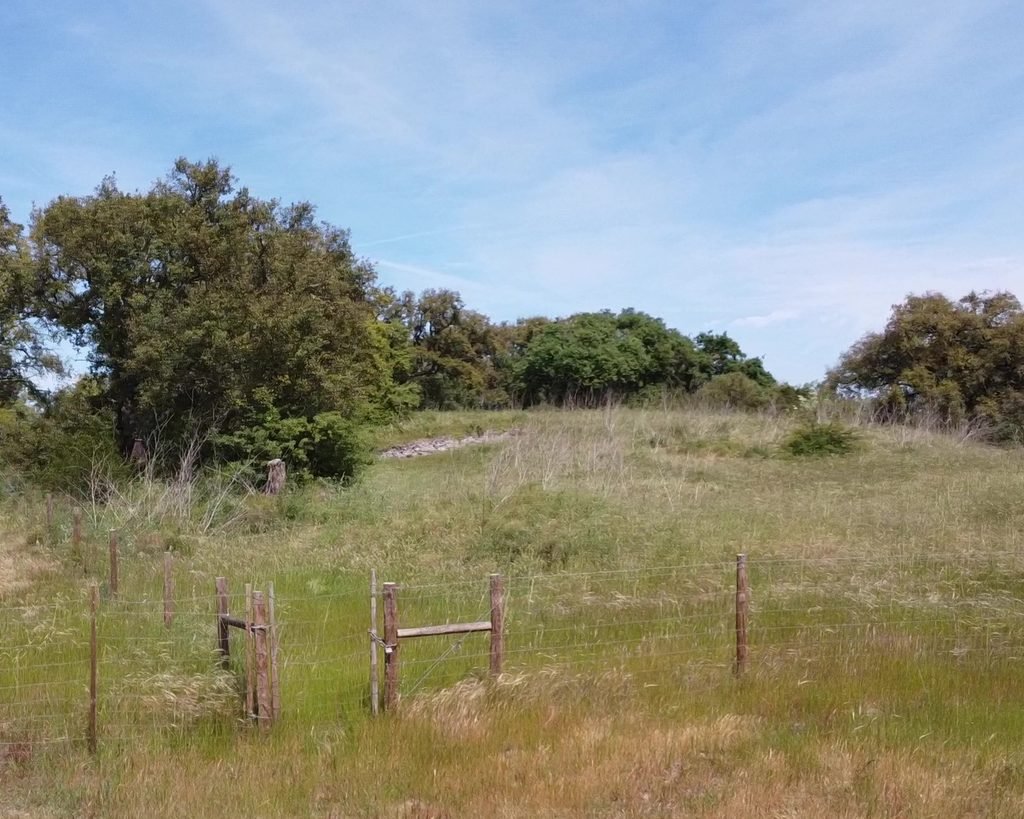
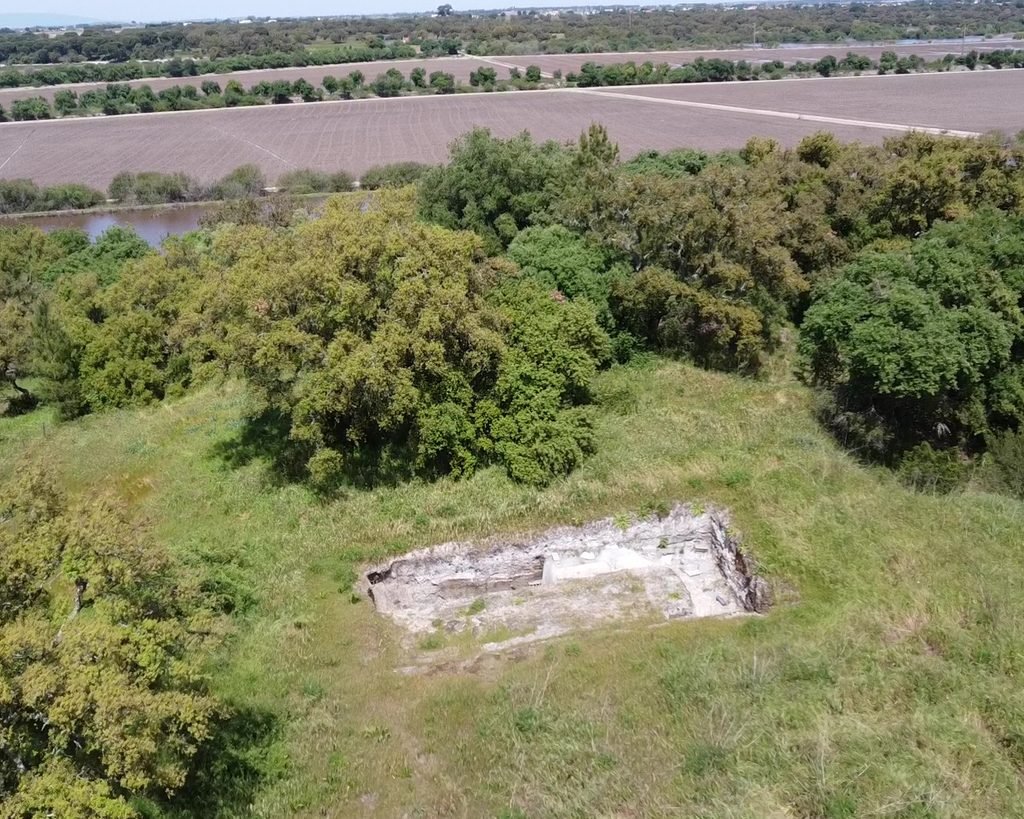
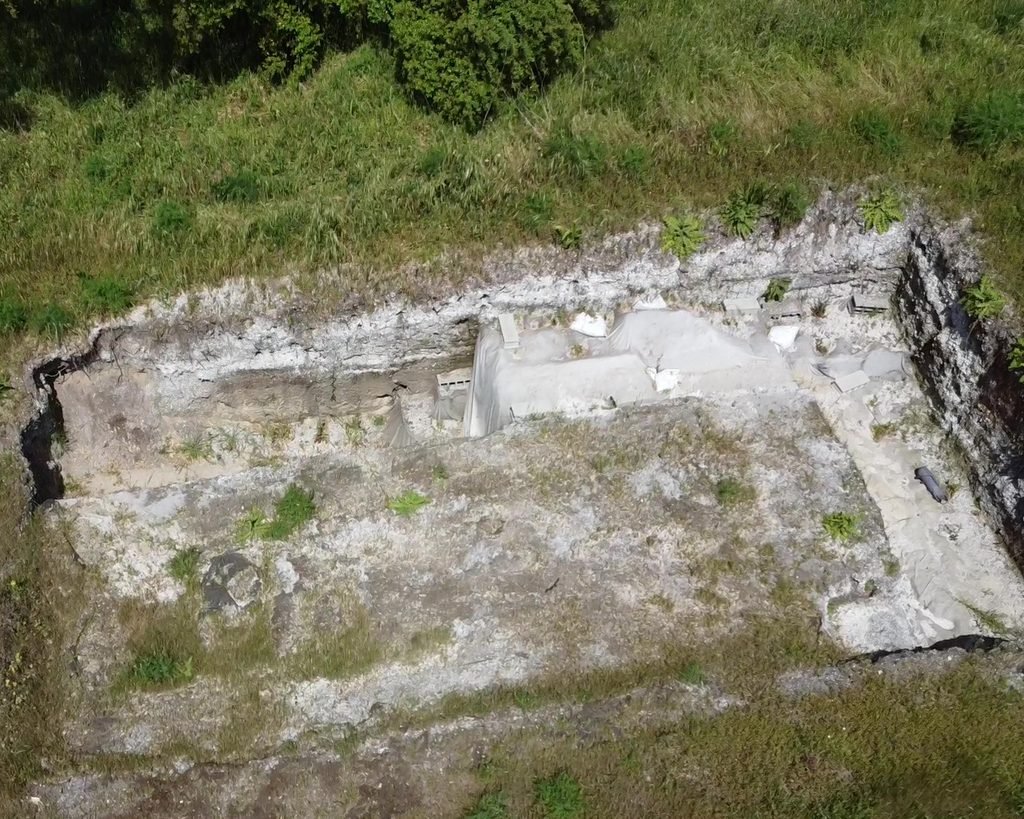
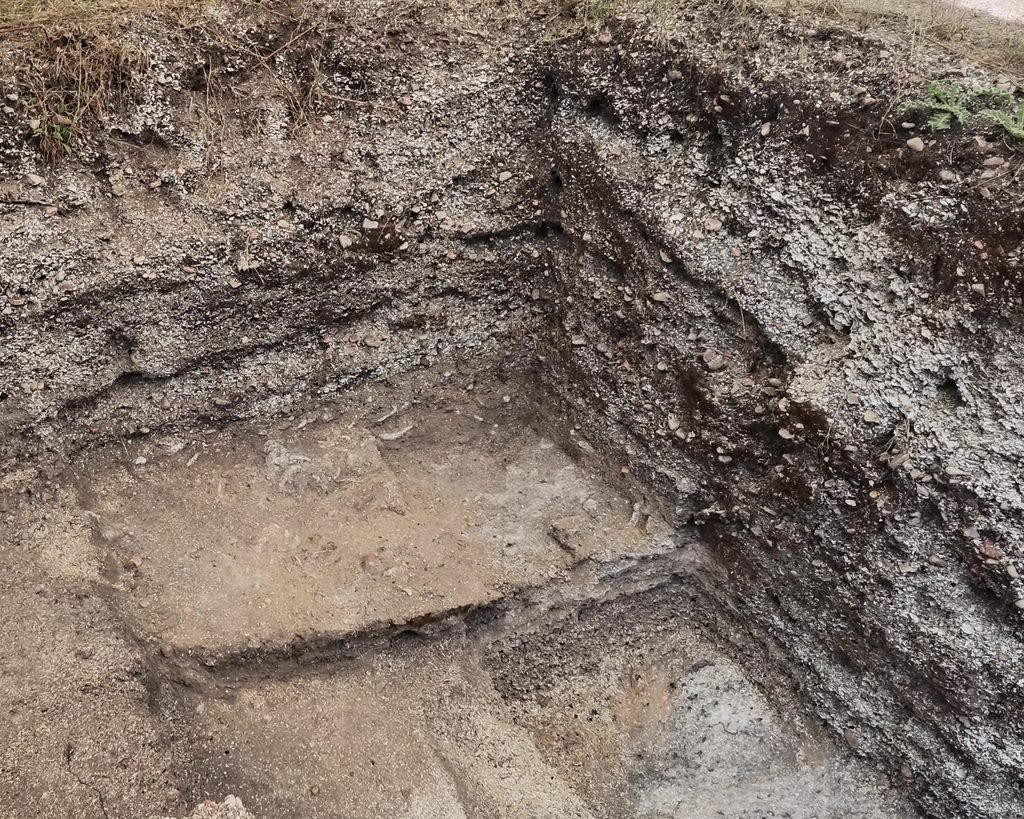
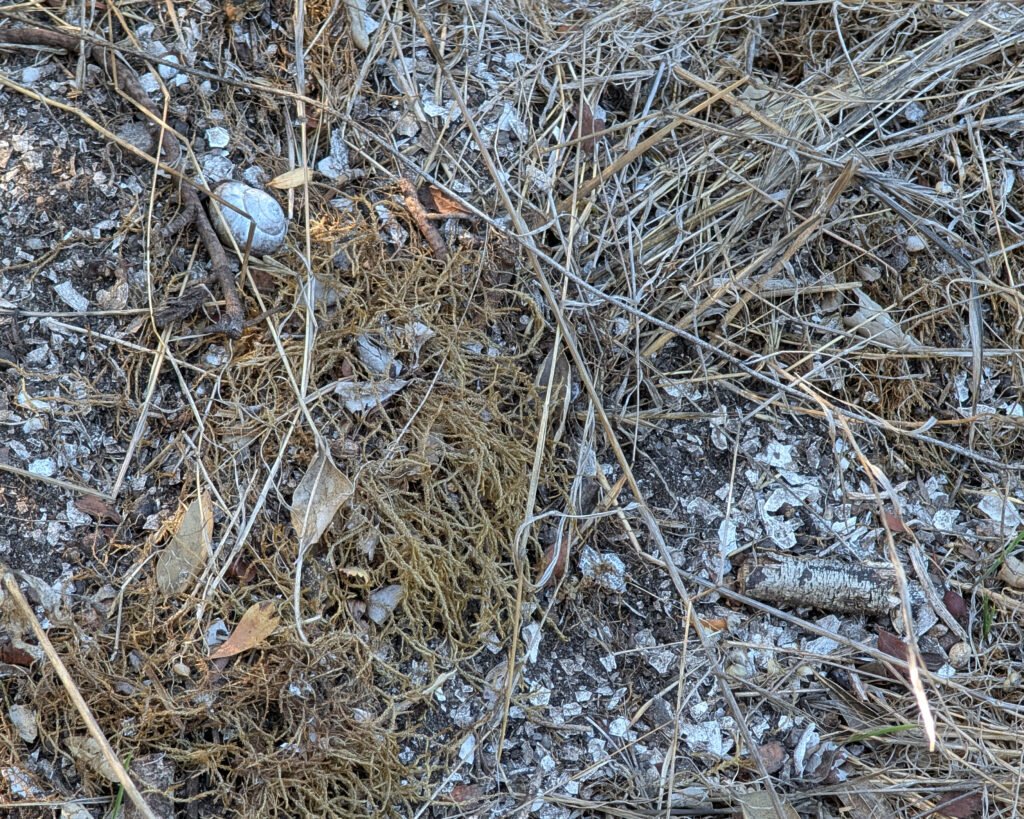
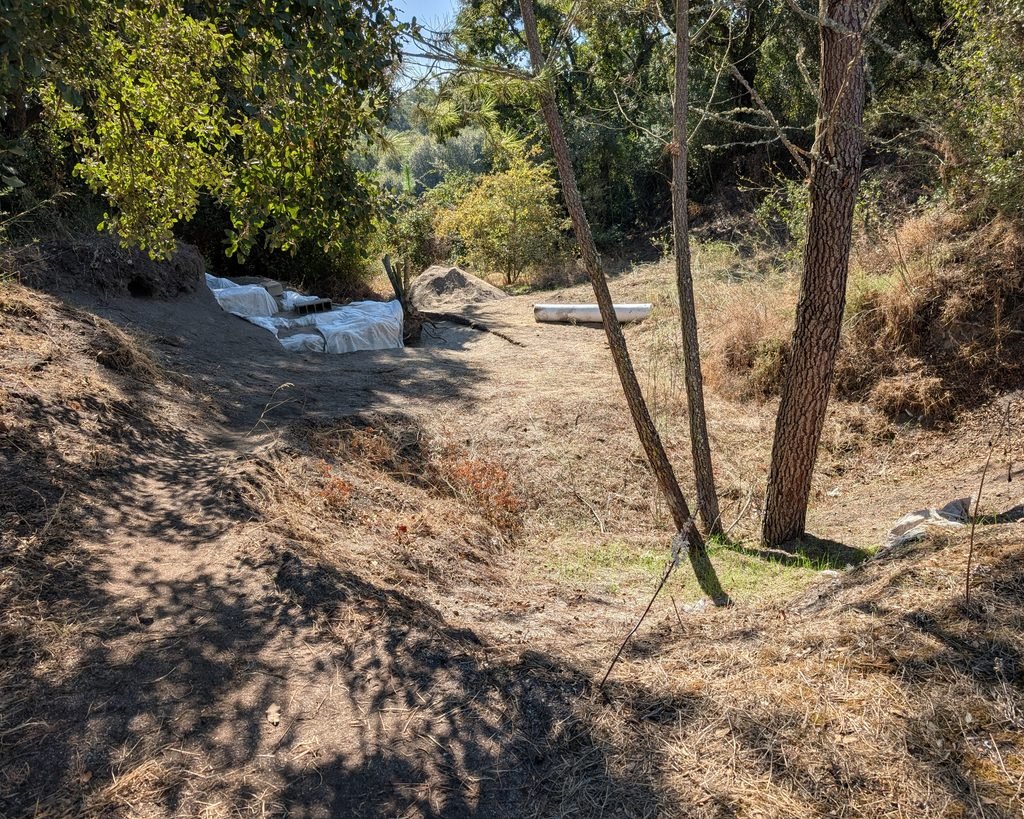
These concheiros are “shell middens” – mounds made up of discarded shells. Over centuries, the mounds reached a large size and eventually got covered by grass and other vegetation. When these middens were first discovered by archaeologists in the 1800s, at first they thought they were naturally occurring mounds. Only after excavations did the archaeologists realize that these were the products of human activity.
These middens were made during the Mesolithic period, around 8,000 to 7,000 years ago (6,000 to 5,000 BC). Societies then were in a transition from nomadic hunter-gatherers to more settled, stable communities. People continued to hunt (and fish), but started to make more permanent camps where game and other resources were abundant. The sea level was higher, and the Tejo river was much bigger and saltier, so there were more shellfish (and fish), and the woodlands along the Tejo and the Muge stream were full of food sources. People took advantage of the abundance and settled along the Muge, building fairly permanent settlements.
The middens were initially rubbish heaps, but over the course of decades and centuries, their aspect changed. They were used for burials as well, and hundreds of human skeletons have been found in the various middens of the area. The placement and adornment of these show that these were carefully conducted and ritualized burials, and differences between them indicate the beginning of social stratifications.1
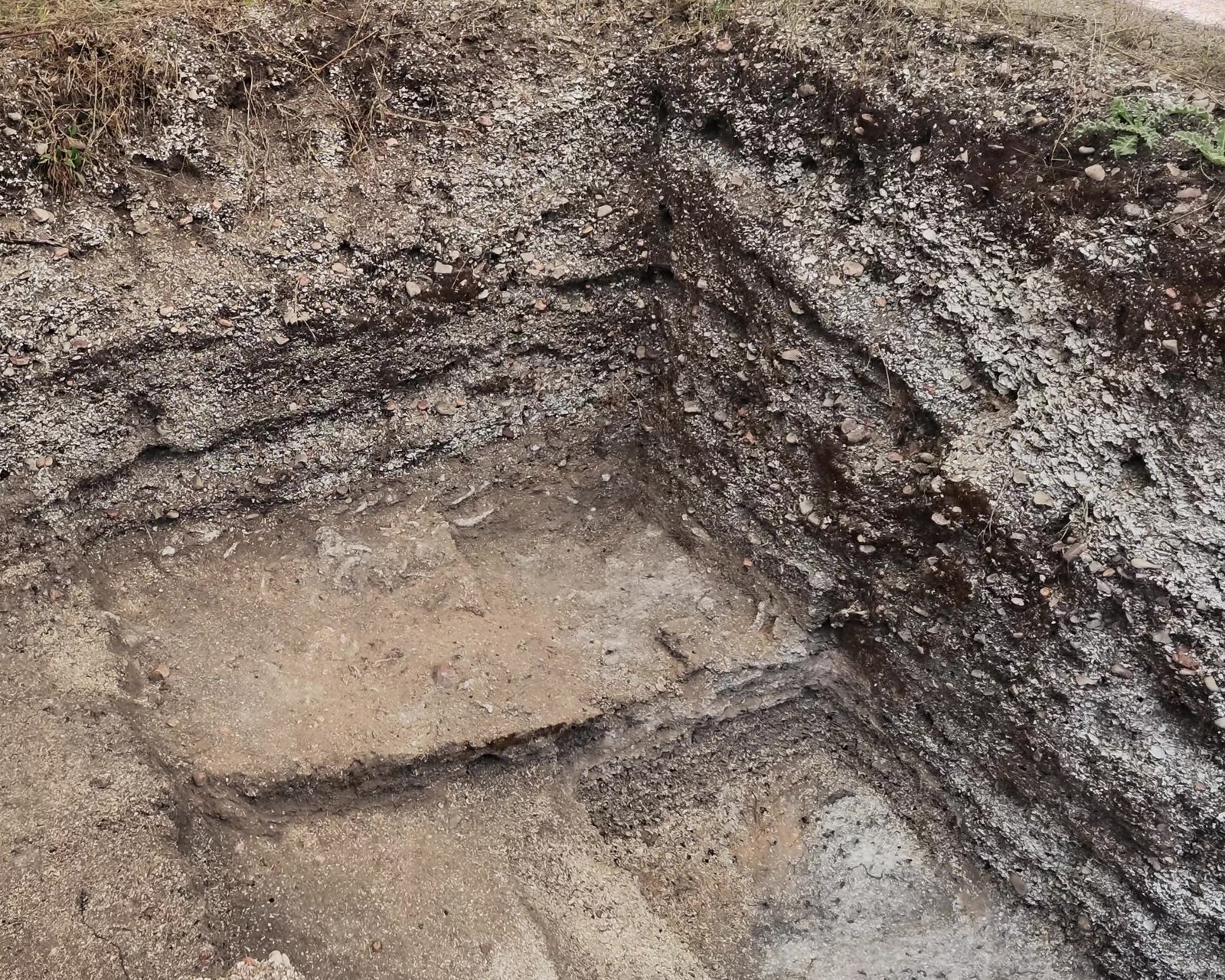
These middens are located on private land, and are not visitable sites except when archaeologists have an open day and welcome visitors. To be honest, there’s not a lot to look at for the untrained eye: a shell midden looks like a normal hill, and even looking inside an archaeological dig only shows you broken bits of shells. For the casual visitor, it is much more valuable to see the site during an open day, or to visit the interpretive centre in the town of Muge.
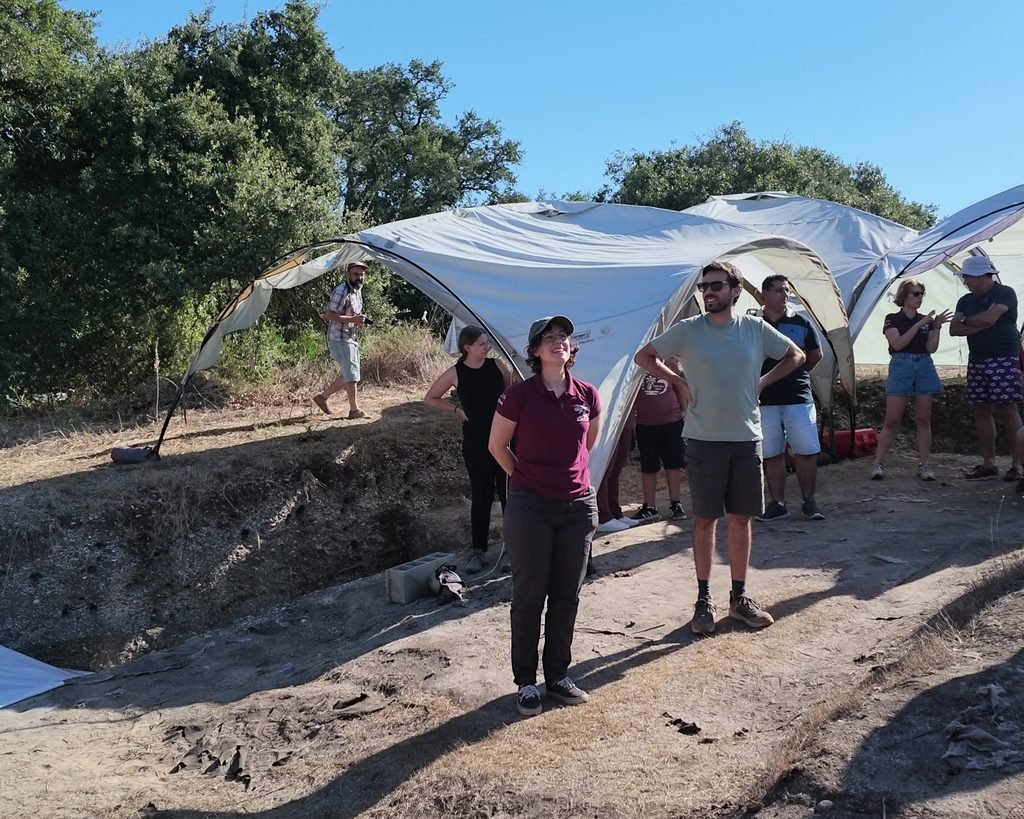
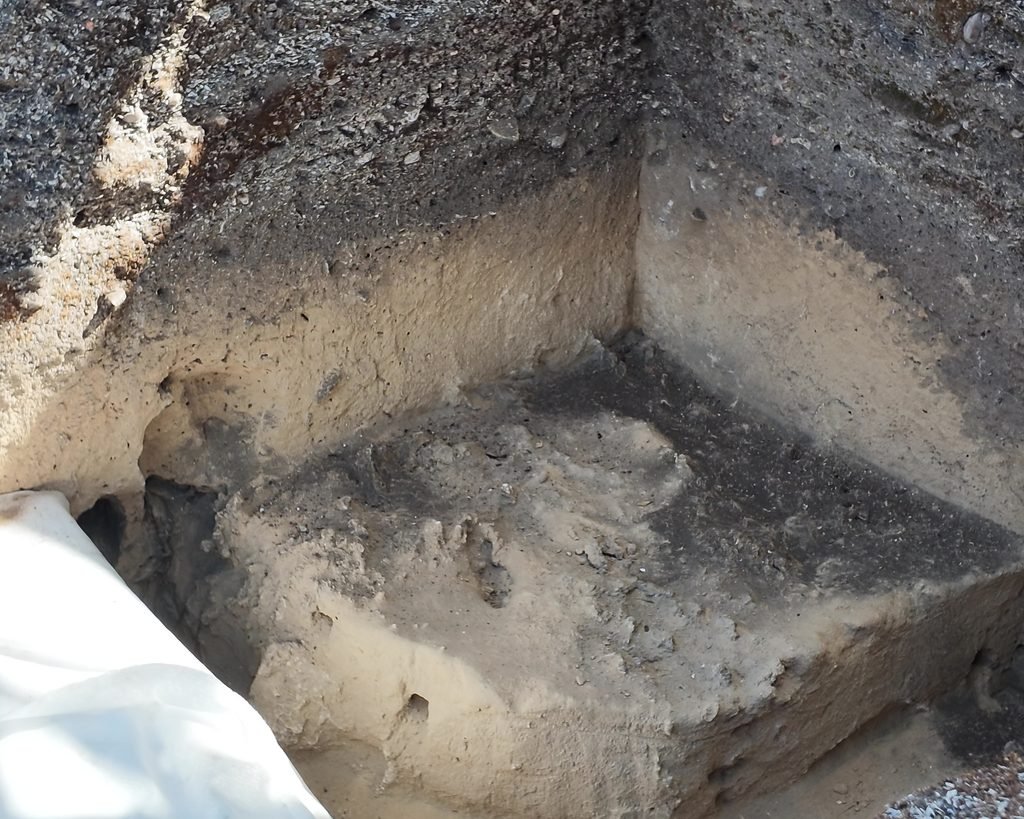
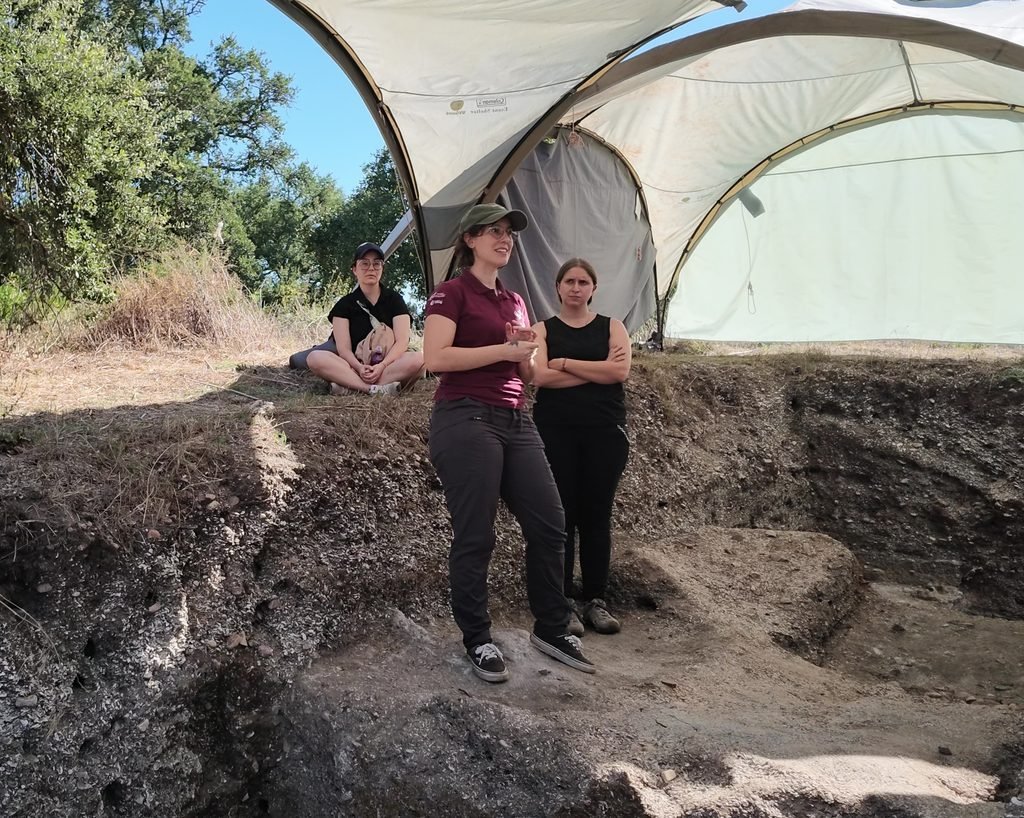
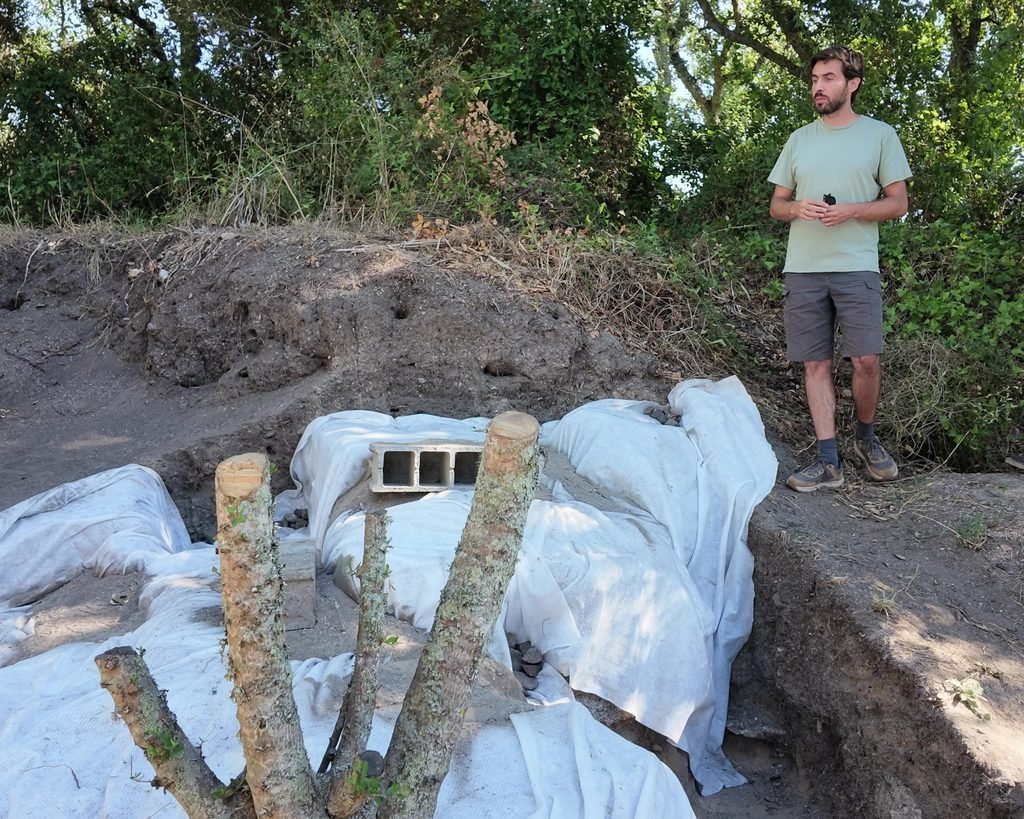
There are other sites in Portugal, but the Concheiros de Muge are the most famous and are known throughout the world of archaeology. They were discovered in 1863 by Carlos Ribeiro, and were the first prehistoric site in Portugal to have been scientifically excavated and studied.2 They have been excavated off and on throughout the intervening 160+ years. Finds have been displayed in museums around Europe, and the information that archaeologists gathered from the bones, shells, human remains, and other artefacts contained in the excavated middens have helped to paint a better picture about life in the Mesolithic period and how this group of “last of the European hunter-gatherers” interacted with the incoming agrarian Neolithic peoples.3
In the excavations, the post holes and cleared area of shelters have been found, indicating the more permanent structures and more sedentary way of life of these people. Stone tools were also found made of stone that can only be found several kilometers away, in the mountains on the other side of the Tejo.
Three of the sites, Moita do Sebastião, Cabeço da Amoreira, and Cabeço da Arruda, were declared a National Monument in 2011. Excavation continues, and new discoveries are made even at previously worked sites!4
Location
The shell middens are in the district of Santarém, municipality of Salvaterra de Magos, parish of Muge. They are in various locations along the Muge stream, as well as the Magos stream, nearby.
Access
Despite being declared a National Monument, the concheiros themselves are all on private land and not accessible to the public. There is an active archaeological excavation going on at Cabeço da Amoreira, and public “open days” are scheduled annually in September. You may learn more about them at the Interpretation Centre in the village of Muge.
Signage
There are no signs to the concheiros, but in Muge there are signs directing you to the “Casa do Povo,” which is the building that houses the excellent interpretation centre.
Links
- Article (in Portuguese) from Wikipedia
- Online magazine (in Portuguese and English) “Magos” (volume X) from the municipality of Salvaterra de Magos, about 160 years since the discovery of the middens
- Website (in Portuguese and English) with detailed information about the middens from ICArEHB (Interdisciplinary Center for Archaeology and the Evolution of Human Behavior, Universidade do Algarve)
- Video (in Portuguese) about a visit to the site in 2022 by the municipality of Salvaterra de Magos
- Video (in Portuguese) about the excavations (in 2026) by RTP 1
- Video (in Portuguese) about the Muge Dog by the Directorate-General of Cultural Heritage
- Description (in Portuguese) from the town hall of Salvaterra de Magos
- Descriptions (in Portuguese) from Archaeologist’s Portal of the Directorate-General of Cultural Heritage
- Cabeço da Amoreira
- Moita de Sebastião
- Cabeço da Arruda
- Others (not included in the National Monument designation): Cabeço da Barragem, Cabeço dos Môrros, Cabeço dos Ossos, Cova da Onça, Flor da Beira, Fonte de Padre Pedro, Magos de Baixo, Magos de Cima
- Designation (in Portuguese) as a National Monument by the Directorate-General of Cultural Heritage
- Detailed information (in Portuguese) in the database of the Directorate-General of Cultural Heritage
Nearby
The Interpretation Centre is in the Casa do Povo in the centre of Muge. It has excellent information and is well worth a visit!
Sources
- Umbelino, Cláudia, et al. “Human Burials in the Mesolithic of Muge and the Origins of Social Differentiation: The Case of Cabeço Da Amoreira, Portugal.” Mesolithic Burials – Rites, Symbols and Social Organisation of Early Postglacial Communities, edited by Judith M. Grünberg et al., Halle, Germany, Landesmuseum für Vorgeschichte, 2016, pp. 683–692, https://www.researchgate.net/publication/321767510_Human_burials_in_the_Mesolithic_of_Muge_and_the_origins_of_social_differentiation_the_case_of_Cabeco_da_Amoreira_Portugal. Accessed 12 Apr. 2026. ↩︎
- Cardoso, João Luís. “Carlos Ribeiro E O Reconhecimento Geológico E Arqueológico Do Vale Do Tejo.” Magos – Revista Cultural Do Concelho de Salvaterra de Magos, vol. X: “160 anos da descoberta dos concheiros de Muge: 1863–2023,” Sept. 2023, pp. 5–26, https://www.calameo.com/read/0074533361bae6e537429. Accessed 17 Apr. 2026. ↩︎
- Nogueira, Dany Coutinho, et al. “A Importância Antropológica de Muge: 160 Anos de Descobertas E Desafios.” Magos – Revista Cultural Do Concelho de Salvaterra de Magos, vol. X: “160 anos da descoberta dos concheiros de Muge: 1863–2023,” Sept. 2023, pp. 141–170, https://www.calameo.com/read/0074533361bae6e537429. Accessed 17 Apr. 2026. ↩︎
- Bicho, Nuno, and Cláudia Umbelino. “Os Famosos Concheiros de Muge Ainda Têm Segredos Por Revelar.” National Geographic Portugal, Nov. 2011, www.uniarq.net/uploads/4/7/1/5/4715235/concheirosmuge_novembro_2011.pdf. Accessed 15 Apr. 2026. ↩︎