

A pair of ancient megalithic funerary monuments discovered in the Vila Real de Santo Antonio municipality of the Algarve1 , with menhirs (standing stones) located around and inside them. Described in detail by noted archaeologist Sebastião Phillipes Martins Estácio da Veiga, the funerary monuments of Quinta da Nora and Herdade de Marcella were two fascinating and possibly unique examples of prehistoric architecture. The Quinta da Nora dolmen was strangely built, with a most unusual chamber, and seemed to be from an earlier time. The dolmen from Herdade de Marcella appeared to be a tholos, with a circular chamber likely covered by a false dome of stacked stones.
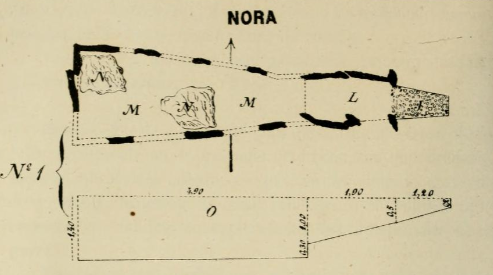
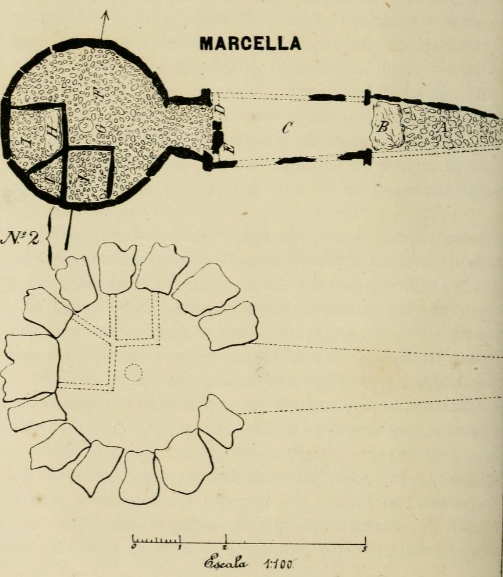
The spoils from the site are impressive: multiple stone tools including arrowheads, blades and more, as well as fragments of engraved schist plaque and an intriguing ivory decoration. Were these all from the Neolithic and/or Chalcolithic period? Or did the ivory plate indicate the use of the site for a protracted period?
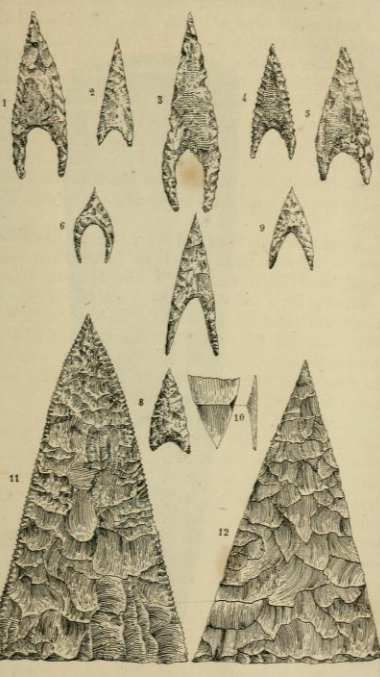
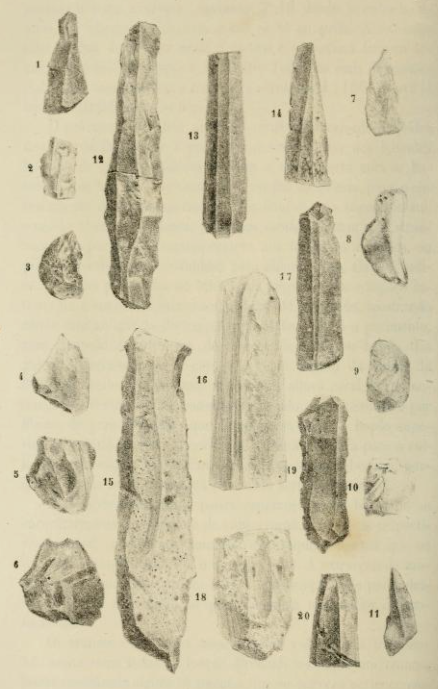
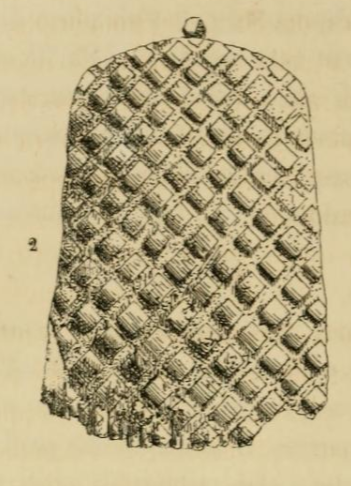
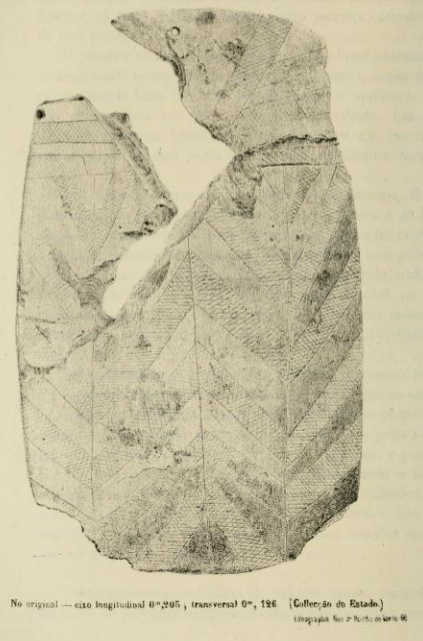
Jointly declared a National Monument in 19102, these two funerary monuments are referred to in multiple books, Wikipedia entries, and online databases.
Unfortunately, they just aren’t there anymore.
A message from the Câmara Município de Vila Real de Santo António puts it bluntly and succinctly:
“However, despite their classification as National Monuments in 1910, the megalithic tombs of Nora and Marcela are today destroyed, and their exact original location is unknown. All that remains are the descriptions by Estácio da Veiga in the aforementioned work and the materials he exhumed and deposited in the collection of the National Archeology Museum.”3
Somewhere along the way, these monuments to Portugal’s ancient past were just …lost. Dug up. Plowed over. Built on.
It might have been ignorance: a local landowner didn’t realize what these stones were and why they were important, so the land got reused. It might have been resistance to interference: someone didn’t want the government coming and telling them what to do with their land with old stones on it, so the source of attention was destroyed.
This wasn’t the first time that an ancient monument was destroyed. All around Portugal, there are menhirs that have been pulled down and broken. It’s generally unclear as to when this happened. There is speculation that they may have been destroyed by Christians who were intent on removing traces of pagan beliefs. But there are also indications that it could have even been older than that. Some menhirs have been found reused inside dolmens, either as a stone in its own right or as part of the construction of the chamber or corridor. Does this mean that sometime in the Chalcolithic period the custom (religion?) of erecting standing stones was replaced by the practice of erecting megalithic funerary structures? It seems possible, and maybe likely.
Furthermore, this wasn’t the last time that people destroyed a prehistoric monument. In fact it has gone on for centuries and still continues today. As an example, in June 2026 it was reported that two prehistoric dolmens and a Roman villa were obliterated to plant walnut trees4. No doubt this will happen again and again.
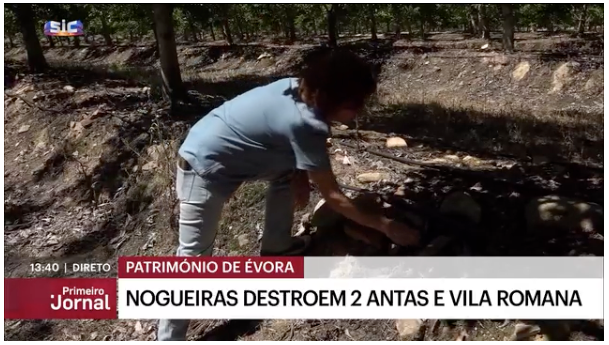
It’s a shame whenever we lose a piece of our heritage. Each site that is destroyed means a lost opportunity to better understand who we are and how we got here. However, it’s also something that has always happened and will always happen. If it’s not humans destroying something out of ignorance or willfulness, storms and earthquakes can easily wipe out ancient sites. And the erosive effects of weather will eventually wear away details of ancient paintings and engravings and even the constructions themselves. Nothing lasts forever, even 5,000-year-old stone structures.
We can choose to mourn the loss of the Monuments of Quinta da Nora and Herdade de Marcela, or we can be grateful that some information and artefacts from them were recorded and preserved by Estácio da Veiga in 1886. In fact, we can and should do both. And we should work hard to preserve as much as we can of our prehistoric heritage that survives today, both by protecting the sites themselves as well as recording and documenting as much information as possible to act as an insurance policy against further destruction.
This website is a small attempt to do just that. I hope to document and publicise as many existing prehistoric sites as I can, and even document sites like these two lost monuments. (If you’d like to support this project, please do subscribe!)
Sources:
- Estácio da Veiga, Sebastiǎo Philippes Martins. Paleoethnologia. Antiguidades Monumentaes Do Algarve: Tempos Prehistoricos. Vol. 1, Lisboa, Imprensa Nacional, 1886, pp. 248–270, archive.org/details/paleoethnologiaa01veig/page/247/mode/2up. Accessed 17 Dec. 2022. ↩︎
- Ulysses, Sistema de Informação Do Património Classificado. PATRIMÓNIO CULTURAL, I.P., imovel.patrimoniocultural.gov.pt/detalhes.php?code=70411. Accessed 11 Nov. 2026. ↩︎
- Godinho, Miguel. “Re: Monumentos Da Quinta Da Nora E Herdade de Marcela.” Email. 7 Dec. 2022. ↩︎
- SIC Notícias. “Duas Antas E Uma Vila Romana Em Évora Destruídas Por Plantação De Nogueiras: Caso Segue Para O Ministério Público.” Expresso, 6 June 2026, expresso.pt/economia/economia_agricultura/2026-06-06-duas-antas-e-uma-vila-romana-em-evora-destruidas-por-plantacao-de-nogueiras-caso-segue-para-o-ministerio-publico-e502375c. Accessed 11 Nov. 2026. ↩︎